Creative arts encompass a wide range of artistic disciplines and activities that involve the use of imagination, creativity, and skill to produce expressive works. These can include visual arts, performing arts, literary arts, and more. Here’s a breakdown of some common categories within creative arts:
Visual Arts: Visual arts encompass a broad spectrum of artistic expressions that involve creating images or objects using various mediums. This includes:
Drawing
Painting
Sculpture
Printmaking
Photography
Graphic design
Mixed media
Performing Arts: Performing arts involve live performances that showcase artistic expression through movement, sound, or spoken word. This category includes:
Theater
Dance
Music (vocal and instrumental)
Opera
Ballet
Circus arts
Performance art
Literary Arts: Literary arts focus on written or spoken expression through language and storytelling. This includes:
Poetry
Prose (fiction and non-fiction)
Short stories
Essays
Playwriting
Screenwriting
Spoken word poetry
Crafts: Crafts involve the creation of handmade objects or artworks using specific techniques and materials. This category encompasses a wide range of practices, such as:
Pottery
Woodworking
Textile arts (knitting, crocheting, weaving)
Jewelry making
Paper crafts (origami, papercutting)
Glassblowing
Metalworking
Design: Design encompasses the creation of functional and aesthetic solutions to various problems or challenges. This includes:
Industrial design
Interior design
Fashion design
Product design
User experience (UX) design
Architecture
Creative arts serve as a means of self-expression, communication, and cultural preservation. They provide opportunities for individuals to explore their thoughts, emotions, and identities, connect with others, and engage with different perspectives. Whether as a hobby, profession, or form of therapy, engaging in creative arts can offer numerous benefits, including stress relief, personal fulfillment, and cognitive stimulation.
The Benefits of Creative Arts
Engaging in creative arts offers a wide range of benefits for both mental and emotional well-being, including:
Stress Reduction: Immersing yourself in a creative project can provide a welcome escape from the demands of daily life, helping to reduce stress levels and promote relaxation.
Mood Enhancement: Creating art, music, or writing can boost mood and elevate spirits, offering a sense of accomplishment and satisfaction that comes from expressing oneself authentically.
Self-Expression: Creative arts provide a unique outlet for self-expression, allowing individuals to communicate their thoughts, feelings, and experiences in a tangible and meaningful way.
Mindfulness and Presence: Engaging in creative activities fosters mindfulness and presence, encouraging individuals to focus on the present moment and cultivate a sense of awareness and connection to the world around them.
Personal Growth: Exploring new artistic mediums, techniques, and styles can promote personal growth and self-discovery, encouraging individuals to step outside their comfort zones and embrace their creative potential.
Simple DIY Projects to Inspire Creativity
Vision Board: Create a vision board by collecting images, quotes, and words that inspire you and represent your goals, dreams, and aspirations. Arrange them on a poster board or canvas and display it in a prominent place as a daily reminder of your intentions.
Nature Collage: Take a nature walk and collect leaves, flowers, and other natural materials. Use them to create a beautiful collage or mandala on paper or canvas, allowing your creativity to flow freely as you arrange and glue the elements together.
Handmade Greeting Cards: Get crafty and make your own handmade greeting cards for birthdays, holidays, or special occasions. Use colored paper, markers, stickers, and other embellishments to create personalized cards that reflect your unique style and personality.
DIY Journal: Create your own DIY journal by binding together sheets of paper with a decorative cover. Use it as a space to jot down thoughts, ideas, sketches, and reflections, allowing your journal to evolve over time as you fill it with your creative expressions.
Rock Painting: Gather smooth rocks from your backyard or a nearby beach and transform them into works of art with acrylic paints. Let your imagination run wild as you paint colorful designs, patterns, or inspirational messages onto the rocks, then display them in your home or garden.
Whether you’re an experienced artist or a beginner exploring your creative side, there’s something for everyone to enjoy in the world of creative arts. So grab your supplies, unleash your imagination, and let your creativity soar!
The connection between food and mood is intricate and multifaceted, influenced by various factors including biological, psychological, and social elements. Here are some key points highlighting the link between food and mood:
Nutritional Impact: The food we consume directly affects our brain chemistry and neurotransmitter levels. For example, certain nutrients like omega-3 fatty acids, vitamins, and minerals play crucial roles in neurotransmitter synthesis and function. A balanced diet that includes a variety of nutrient-rich foods can support optimal brain health and mood regulation.
Blood Sugar Levels: Fluctuations in blood sugar levels can impact mood and energy levels. Consuming foods with a high glycemic index (e.g., sugary snacks or refined carbohydrates) can lead to rapid spikes and crashes in blood sugar, contributing to mood swings, irritability, and fatigue. On the other hand, consuming complex carbohydrates, fiber, and protein can help stabilize blood sugar levels and promote more consistent energy and mood.
Gut-Brain Axis: Emerging research suggests a strong connection between the gut and the brain, known as the gut-brain axis. The gut microbiota, composed of trillions of bacteria living in the digestive tract, can influence neurotransmitter production, immune function, and inflammation, all of which can impact mood and mental health. Consuming a diverse range of fiber-rich foods, fermented foods, and probiotics can support a healthy gut microbiome and potentially improve mood.
Inflammation: Chronic inflammation has been linked to various mood disorders, including depression and anxiety. Certain dietary factors, such as processed foods, trans fats, and excessive sugar intake, can promote inflammation in the body. Conversely, an anti-inflammatory diet rich in fruits, vegetables, whole grains, healthy fats (e.g., olive oil, nuts, fatty fish), and antioxidants may help reduce inflammation and support better mood regulation.
Emotional Eating: Food choices can also be influenced by emotions, leading to emotional eating behaviors. People may turn to comfort foods high in sugar, fat, and calories during times of stress or low mood as a way to cope. While these foods may provide temporary relief, they can contribute to a cycle of negative emotions and unhealthy eating patterns. Developing mindful eating habits and finding alternative coping strategies can help manage emotional eating and support overall well-being.
Understanding the link between food and mood empowers individuals to make more informed dietary choices that can positively impact their mental health and emotional well-being. By prioritizing a balanced diet, managing blood sugar levels, supporting gut health, reducing inflammation, and addressing emotional eating patterns, individuals can take proactive steps to support a healthier mind-body connection.
Mood-Boosting Foods to Include in Your Diet
By incorporating these mood-boosting foods into your diet, you can support your mental and emotional health while enjoying delicious and nutritious meals:
Dark Leafy Greens: Packed with vitamins, minerals, and antioxidants, dark leafy greens like spinach, kale, and Swiss chard are known for their mood-enhancing properties and ability to support overall brain health.
Berries: Rich in antioxidants and flavonoids, berries such as blueberries, strawberries, and raspberries can help reduce inflammation, improve cognitive function, and enhance mood.
Nuts and Seeds: Nuts and seeds are excellent sources of omega-3 fatty acids, magnesium, and zinc, which play key roles in brain health and mood regulation. Incorporate walnuts, almonds, flaxseeds, and chia seeds into your diet for a mood-boosting boost.
Legumes: Beans, lentils, and chickpeas are high in fiber, protein, and complex carbohydrates, which can help stabilize blood sugar levels and promote steady energy throughout the day.
Simple Plant-Based Snack Recipe: Avocado Toast with Cherry Tomatoes and Basil
Ingredients:
2 slices of whole-grain bread
1 ripe avocado
1 cup cherry tomatoes, halved
Fresh basil leaves, torn
Extra-virgin olive oil
Sea salt and black pepper, to taste
Instructions:
Toast the slices of whole-grain bread until golden brown.
Mash the ripe avocado in a small bowl and spread it evenly onto the toasted bread slices.
Arrange the halved cherry tomatoes on top of the avocado.
Drizzle the avocado toast with extra-virgin olive oil and sprinkle with torn basil leaves, sea salt, and black pepper.
Serve immediately and enjoy as a delicious and nutritious plant-based snack!
Incorporating mood-boosting foods into your diet doesn’t have to be complicated or time-consuming. With a little creativity and some simple ingredients, you can nourish your body and uplift your spirits with every bite.
Journaling is the practice of writing down thoughts, feelings, experiences, and reflections on a regular basis. It can take many forms, from freeform writing to structured prompts, and it can be done using pen and paper or digitally.
At its core, journaling is a tool for self-expression, self-reflection, and personal growth. It allows individuals to explore their inner thoughts and emotions, make sense of their experiences, and gain insight into their lives. Journaling can also help improve mental health by providing an outlet for stress, anxiety, and other emotions.
Why Journaling Matters
Journaling offers a myriad of benefits for both the mind and spirit, including:
Self-Reflection: Journaling provides a safe and private space to explore your thoughts, feelings, and experiences, helping you gain insight into your inner world and make sense of your emotions.
Clarity and Focus: Writing down your thoughts can help clarify your thoughts, identify patterns, and gain perspective on challenging situations, allowing you to make more informed decisions and navigate life with greater ease.
Emotional Release: Journaling serves as a powerful outlet for expressing and processing emotions, relieving stress, and releasing pent-up feelings in a healthy and constructive way.
Goal Setting and Accountability: Keeping a journal can help you set goals, track your progress, and hold yourself accountable for taking action towards your aspirations, fostering motivation and personal growth.
Creative Expression: Journaling is a creative act that allows you to experiment with different writing styles, prompts, and formats, sparking inspiration and expanding your creative horizons.
Types of Journals to Explore
There are countless types of journals you can explore, each with its own unique focus and purpose. Here are a few popular options to consider:
Daily Reflection: A journal for daily reflection allows you to capture your thoughts, experiences, and gratitude each day, providing a snapshot of your life over time.
Gratitude Journal: A gratitude journal is a place to cultivate a mindset of appreciation by regularly writing down the things you’re thankful for, big and small.
Dream Journal: Keep a dream journal by your bedside to record your dreams upon waking, exploring their symbolism and uncovering insights into your subconscious mind.
Travel Journal: Document your adventures and experiences while traveling, capturing memories, reflections, and snapshots of the places you visit.
Freeform journaling: This involves writing whatever comes to mind without any specific structure or prompts. It’s a way to let thoughts flow freely onto the page.
Goal-oriented journaling: Here, individuals set specific goals and track their progress towards achieving them. They may also brainstorm ideas and action plans to help them reach their goals.
Creative journaling: A creative journal is a space for artistic expression, incorporating doodles, sketches, collages, and other visual elements alongside your written reflections. It can also include using other creative methods alongside writing to express oneself and explore thoughts and feelings.
How to Start Journaling
Getting started with journaling is easy and accessible to anyone, regardless of age or experience. Here are some tips to help you begin:
Choose Your Tools: Select a journal or notebook that speaks to you, whether it’s a classic leather-bound journal, a colorful notebook, or a digital journaling app.
Set Aside Time: Carve out dedicated time each day or week to sit down and write in your journal, whether it’s first thing in the morning, before bed, or during your lunch break.
Start Small: Begin with a simple prompt or question to get the words flowing, such as “What am I feeling grateful for today?” or “What’s on my mind right now?”
Write Freely: Don’t worry about spelling, grammar, or punctuation—this is your space to express yourself authentically and without judgment.
Experiment and Explore: Get creative with your journaling practice by experimenting with different prompts, techniques, and formats to find what resonates with you.
Journaling can be a highly personal practice, and there are no strict rules or guidelines to follow. The most important thing is to find a journaling style that resonates with you and to make it a regular part of your routine. Whether it’s a daily habit or something you do whenever you feel the need, journaling can be a valuable tool for self-discovery and personal development.
Box breathing, also known as square breathing or four-square breathing, is a structured breathing technique that involves inhaling, holding, exhaling, and holding the breath in equal counts. The practice is named for its simple visualization of tracing the outline of a square with each breath cycle.
Origins of Box Breathing
While it’s challenging to pinpoint an exact origin, similar breathing techniques have been used for centuries in various cultures and traditions.
One possible origin of box breathing can be traced back to ancient yogic practices in India. Pranayama, the yogic practice of controlling the breath, includes techniques similar to box breathing. These techniques have been passed down through generations and are still practiced today as a way to calm the mind and body.
Box breathing has also been used in military and tactical settings, particularly in the Navy SEALs. It’s believed to have been incorporated into their training to help manage stress and maintain focus in high-pressure situations. The structured nature of box breathing makes it easy to teach and implement, which is beneficial in intense environments.
Regardless of its specific origin, box breathing has gained popularity due to its simplicity and effectiveness in promoting relaxation and focus. Its structured approach, where inhalation, holding, exhalation, and holding are all done for the same count, makes it easy to remember and practice, even in the midst of stress or anxiety.
Benefits of Box Breathing
Box breathing offers a wide range of benefits for both the mind and body, including:
Stress Reduction: By slowing down the breath and regulating the nervous system, box breathing helps to reduce the body’s stress response, promoting feelings of relaxation and calm.
Improved Focus and Concentration: The rhythmic nature of box breathing can enhance mental clarity, sharpen focus, and improve cognitive function, making it an effective tool for managing distractions and increasing productivity.
Enhanced Emotional Regulation: Box breathing encourages mindful awareness of the breath and emotions, allowing individuals to respond to challenging situations with greater ease and resilience.
Lowered Blood Pressure: Deep, controlled breathing has been shown to lower blood pressure and promote cardiovascular health, reducing the risk of heart disease and other related conditions.
How to Practice Box Breathing Effectively*
Follow these simple steps to practice box breathing:
Find a comfortable seated position with your spine straight and your shoulders relaxed.
Close your eyes and take a few deep breaths to settle into your body.
Inhale slowly and deeply through your nose for a count of four seconds, feeling your abdomen expand with each breath.
Hold your breath for a count of four seconds, maintaining a sense of stillness and presence.
Exhale slowly and completely through your mouth for a count of four seconds, emptying your lungs fully.
Hold your breath for a count of four seconds before beginning the next cycle.
Repeat this sequence for several rounds, gradually increasing the duration of each breath cycle as you become more comfortable with the practice.
Incorporating Box Breathing Into Your Self-Care Routine
Box breathing can be practiced anytime, anywhere, making it a versatile tool for promoting relaxation and stress relief throughout your day. Try incorporating box breathing into the following activities:
Morning Routine: Start your day with a few minutes of box breathing to set a calm and centered tone for the day ahead.
Midday Break: Take a short break from work or daily activities to practice box breathing and recharge your energy levels.
Before Bed: Wind down in the evening with a few rounds of box breathing to relax your body and prepare for restful sleep.
Remember, consistency is key when it comes to reaping the benefits of box breathing. Make it a regular part of your self-care routine, and watch as it transforms your mental and emotional well-being over time.
*Disclaimer:
Before beginning any new relaxation or breathing technique, it’s important to consult with a qualified healthcare professional, especially if you have any pre-existing medical conditions or concerns. While box breathing is generally safe for most individuals, it may not be suitable for everyone, particularly those with certain respiratory conditions or medical issues. Additionally, please be mindful of your body’s limits and sensations while practicing box breathing, and discontinue the exercise if you experience any discomfort, dizziness, or shortness of breath. This breathing technique is intended to promote relaxation and stress relief and should not be used as a substitute for professional medical advice or treatment. Always prioritize your health and well-being, and listen to your body’s cues when engaging in any new wellness practice.
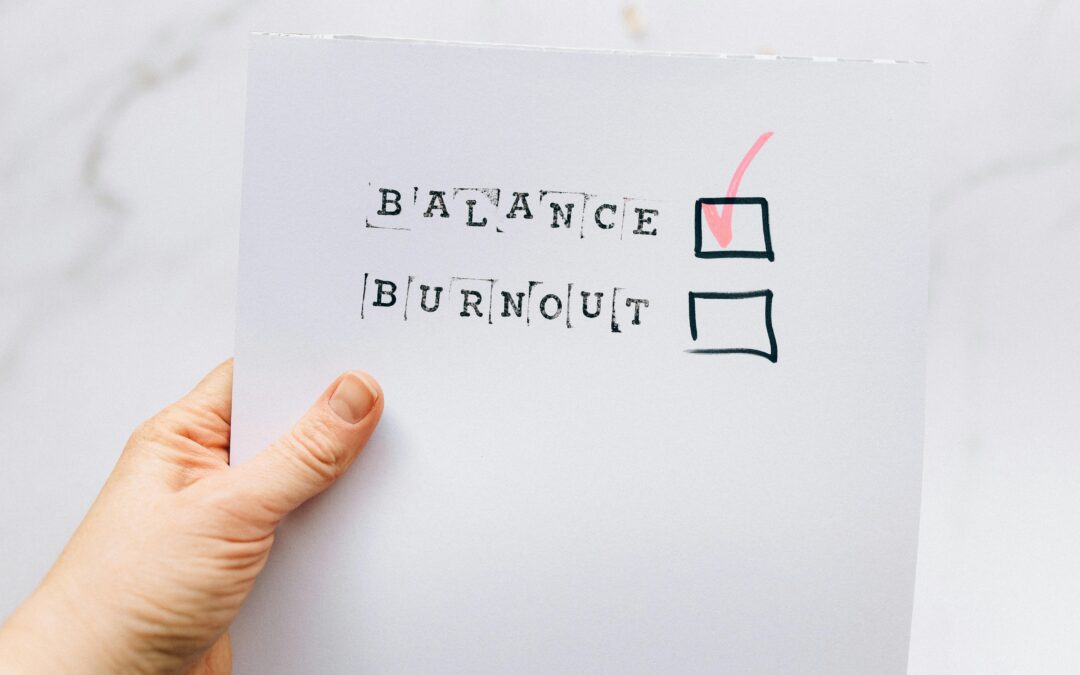
Sometimes we need a reminder to prioritize self-care, set boundaries, and cultivate resilience in the face of life’s inevitable challenges.
Understanding Stress and Burnout:
Stress is a natural response to life’s demands, whether they’re related to work, relationships, finances, or health. While some level of stress is normal and even beneficial in helping us cope with challenges, chronic or excessive stress can take a toll on our physical, emotional, and mental health, leading to burnout—a state of emotional, physical, and mental exhaustion caused by prolonged exposure to stress.
Signs of stress and burnout may include:
Persistent feelings of fatigue, irritability, or overwhelm
Difficulty concentrating or making decisions
Changes in appetite, sleep patterns, or mood
Physical symptoms such as headaches, muscle tension, or gastrointestinal issues
Withdrawal from social activities or hobbies
Decreased job satisfaction or productivity
Managing Stress:
Practice Stress-Relief Techniques: Incorporate stress-relief techniques such as deep breathing, meditation, yoga, or progressive muscle relaxation into your daily routine to help calm your mind and relax your body.
Prioritize Self-Care: Make time for self-care activities that nourish your body, mind, and spirit, such as exercise, healthy eating, adequate sleep, and spending time with loved ones.
Set Boundaries: Establish clear boundaries around your time, energy, and resources to protect yourself from overcommitment and overwhelm. Learn to say no to tasks or obligations that don’t align with your priorities or values.
Seek Support: Reach out to friends, family members, or mental health professionals for support and guidance when you’re feeling overwhelmed or struggling to cope with stress.
Engage in Relaxing Activities: Engage in activities that bring you joy, relaxation, and a sense of fulfillment, whether it’s reading a book, listening to music, gardening, or enjoying nature.
Preventing Burnout:
Know Your Limits: Recognize your limits and listen to your body’s signals when you’re feeling stressed or overwhelmed. Take breaks when needed and prioritize rest and relaxation to prevent burnout.
Delegate and Collaborate: Delegate tasks or seek support from colleagues or loved ones when you’re feeling overwhelmed. Collaborate with others to share responsibilities and lighten your workload.
Set Realistic Expectations: Set realistic goals and expectations for yourself, both personally and professionally. Avoid perfectionism and prioritize progress over perfection.
Take Regular Breaks: Take regular breaks throughout your day to rest, recharge, and reset. Step away from your work environment, go for a walk, or engage in activities that help you relax and unwind.
Practice Mindfulness: Cultivate mindfulness and presence in your daily life by bringing awareness to the present moment and practicing acceptance and non-judgment of your thoughts and feelings.
Remember, managing stress and preventing burnout is an ongoing process that requires self-awareness, self-care, and self-compassion. By prioritizing your well-being, setting boundaries, and seeking support when needed, you can cultivate resilience and thrive in the face of life’s challenges.
Elisha Valentine is a Wellness Coach, Creative Strategist, and Harmony Dynamics, LLC Founder. She loves to help support you in your journey of optimizing your well-being and enhancing your overall quality of life. ❤️