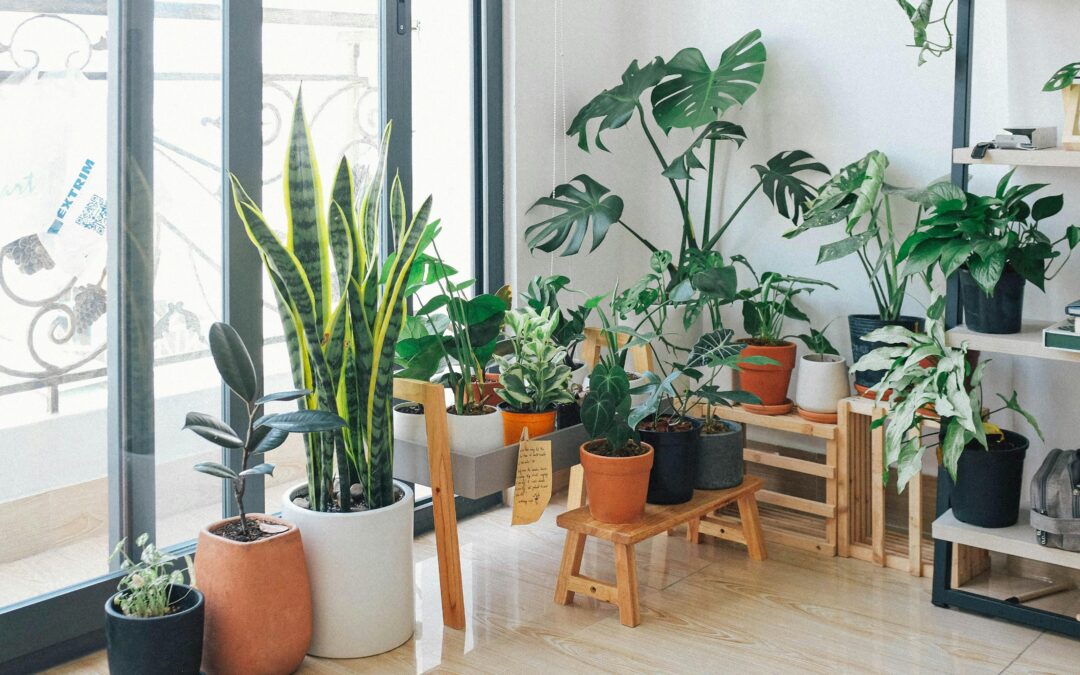
House plants do much more than just beautify your living space—they also contribute to improved air quality, mental well-being, and overall quality of life. Here are some of the many benefits of incorporating house plants into your home:
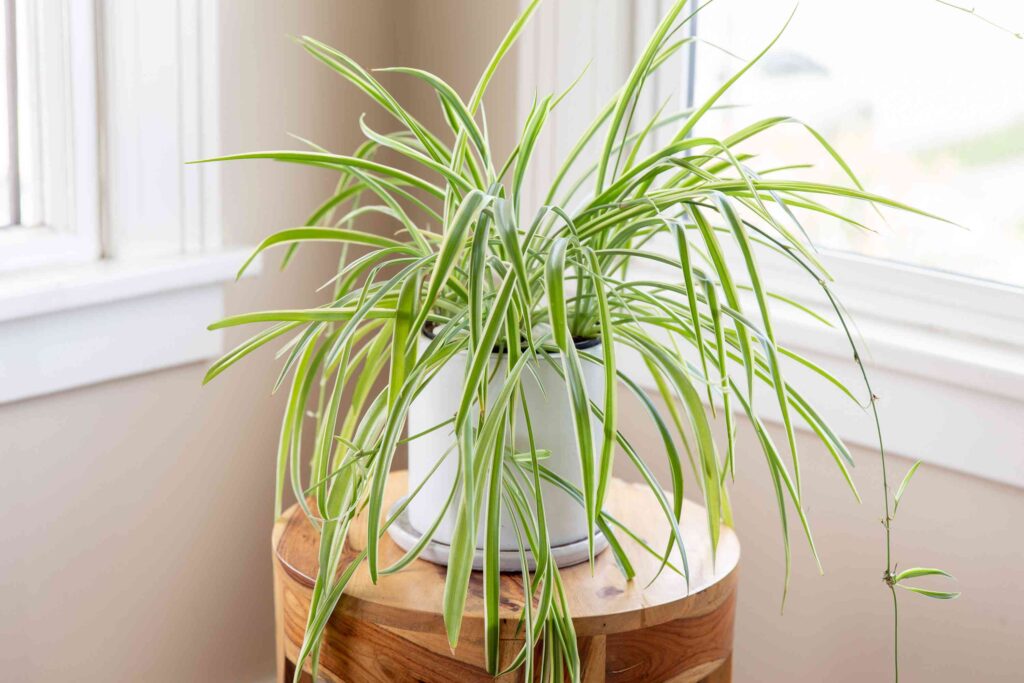
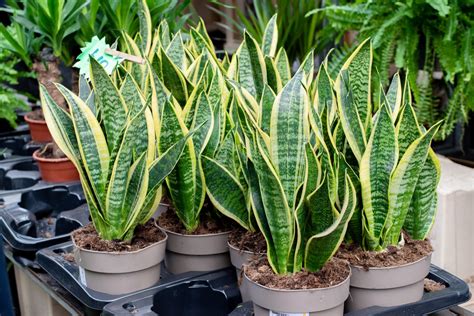
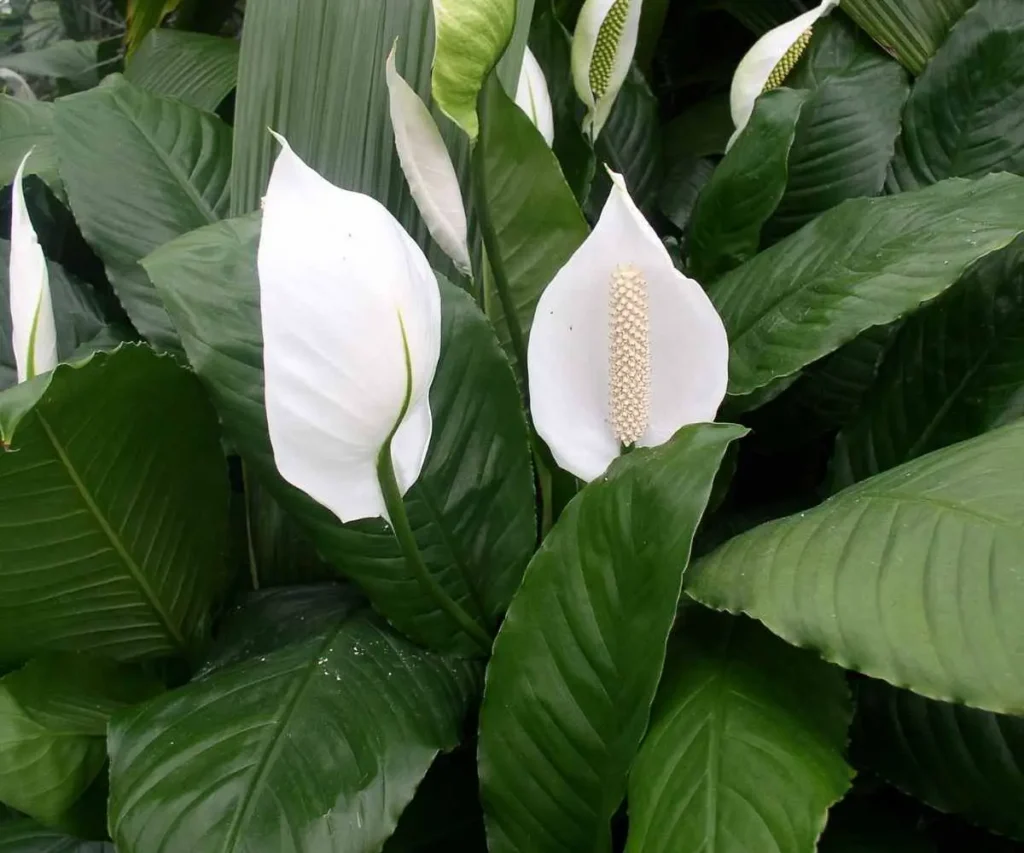
Air Purification: House plants act as natural air purifiers, filtering out toxins and pollutants from indoor air and releasing oxygen into the environment. Plants such as peace lilies, spider plants, and snake plants are particularly effective at removing common indoor pollutants like formaldehyde, benzene, and carbon monoxide.
Stress Reduction: Spending time around house plants has been shown to reduce stress, anxiety, and fatigue, while promoting feelings of calmness, relaxation, and well-being. The act of caring for plants can be therapeutic and meditative, providing a welcome respite from the demands of daily life.
Improved Mood and Productivity: House plants have a positive effect on mood and productivity, boosting concentration, creativity, and cognitive function. Studies have found that simply having plants in your environment can improve mood, reduce fatigue, and increase feelings of happiness and satisfaction.
Humidity Regulation: Many house plants naturally release moisture into the air through a process called transpiration, helping to increase indoor humidity levels and create a more comfortable and breathable environment, especially in dry climates or during winter months.
Biophilic Connection: House plants satisfy our innate biophilic instinct—the inherent human desire to connect with nature and the natural world. Bringing nature indoors can foster a sense of connection, harmony, and balance in our lives, even in urban or indoor environments.
Popular Types of House Plants and Their Benefits
From leafy greens and flowering beauties to succulents and cacti, there’s a house plant to suit every taste, style, and skill level. Here are some popular types of indoor plants and their unique benefits:
Spider Plant (Chlorophytum comosum): Known for its graceful arching leaves and air-purifying properties, the spider plant is a low-maintenance favorite that thrives in bright, indirect light and prefers evenly moist soil. It’s excellent for beginners and is safe for pets.
Snake Plant (Sansevieria trifasciata): With its striking sword-shaped leaves and tolerance for low light and neglect, the snake plant is a hardy and resilient choice for busy households. It purifies the air by removing toxins like formaldehyde and benzene and requires minimal watering.
Peace Lily (Spathiphyllum spp.): Revered for its elegant white flowers and lush green foliage, the peace lily is a popular choice for its air-purifying abilities and adaptability to low light conditions. It also helps to increase indoor humidity levels, making it ideal for dry environments.
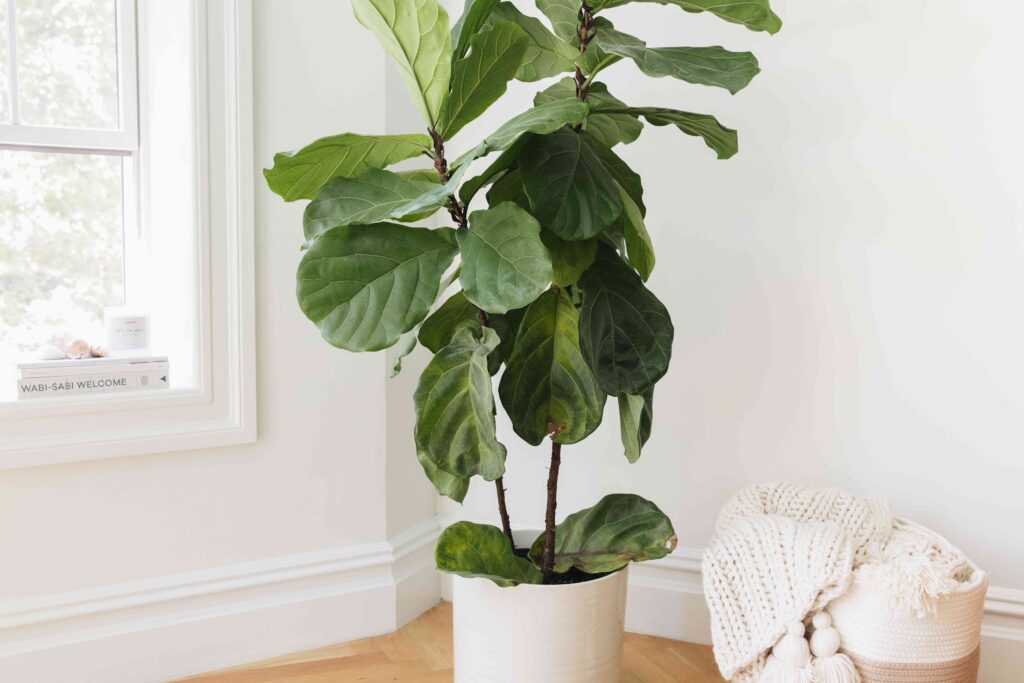
Fiddle Leaf Fig (Ficus lyrata): Characterized by its large, glossy leaves and sculptural form, the fiddle leaf fig is a statement-making plant that adds a touch of drama and sophistication to any space. It thrives in bright, indirect light and requires regular watering and occasional pruning.
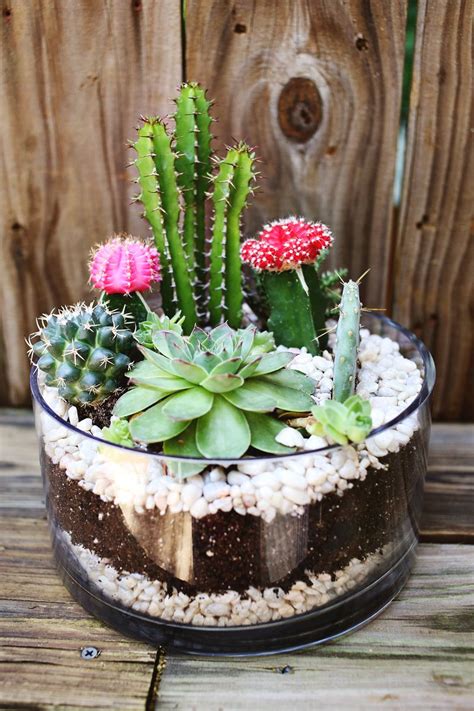
Succulents and Cacti: Succulents and cacti are beloved for their unique shapes, textures, and resilience to drought. They come in a wide variety of colors and sizes and are ideal for adding a touch of desert-inspired charm to your home. Place them in sunny windowsills and water sparingly.
Incorporating House Plants into Your Home
Whether you’re a seasoned plant parent or a novice green thumb, there are countless ways to incorporate house plants into your home to enhance its beauty, ambiance, and livability. Here are some tips for creating a green oasis indoors:
Choose the Right Plants: Select house plants that are well-suited to your home’s lighting conditions, humidity levels, and available space. Consider factors like plant size, growth habits, and care requirements when choosing plants for different rooms.
Create Plant Displays: Arrange your house plants in clusters or groupings to create visually stunning displays that add interest and dimension to your space. Mix and match plants of varying heights, textures, and colors to create a dynamic and harmonious composition.
Experiment with Planters: Get creative with planters and containers to add personality and style to your indoor garden. Consider using decorative pots, baskets, or hanging planters that complement your home’s decor and reflect your personal taste.
Provide Proper Care: Take the time to learn about the specific care needs of your house plants, including watering, fertilizing, pruning, and repotting. Establish a regular watering schedule and monitor your plants for signs of pests, disease, or stress.
Enjoy the Benefits: Take pleasure in the beauty, tranquility, and vitality that house plants bring to your home. Spend time tending to your plants, observing their growth, and basking in the joy of nurturing living things.
Whether you’re looking to purify the air, reduce stress, or simply add a touch of natural beauty to your home, house plants offer a wealth of benefits for both body and soul. So why not bring a little piece of the outdoors indoors and create your own green sanctuary today?
Creative arts encompass a wide range of artistic disciplines and activities that involve the use of imagination, creativity, and skill to produce expressive works. These can include visual arts, performing arts, literary arts, and more. Here’s a breakdown of some common categories within creative arts:
Visual Arts: Visual arts encompass a broad spectrum of artistic expressions that involve creating images or objects using various mediums. This includes:
Drawing
Painting
Sculpture
Printmaking
Photography
Graphic design
Mixed media
Performing Arts: Performing arts involve live performances that showcase artistic expression through movement, sound, or spoken word. This category includes:
Theater
Dance
Music (vocal and instrumental)
Opera
Ballet
Circus arts
Performance art
Literary Arts: Literary arts focus on written or spoken expression through language and storytelling. This includes:
Poetry
Prose (fiction and non-fiction)
Short stories
Essays
Playwriting
Screenwriting
Spoken word poetry
Crafts: Crafts involve the creation of handmade objects or artworks using specific techniques and materials. This category encompasses a wide range of practices, such as:
Pottery
Woodworking
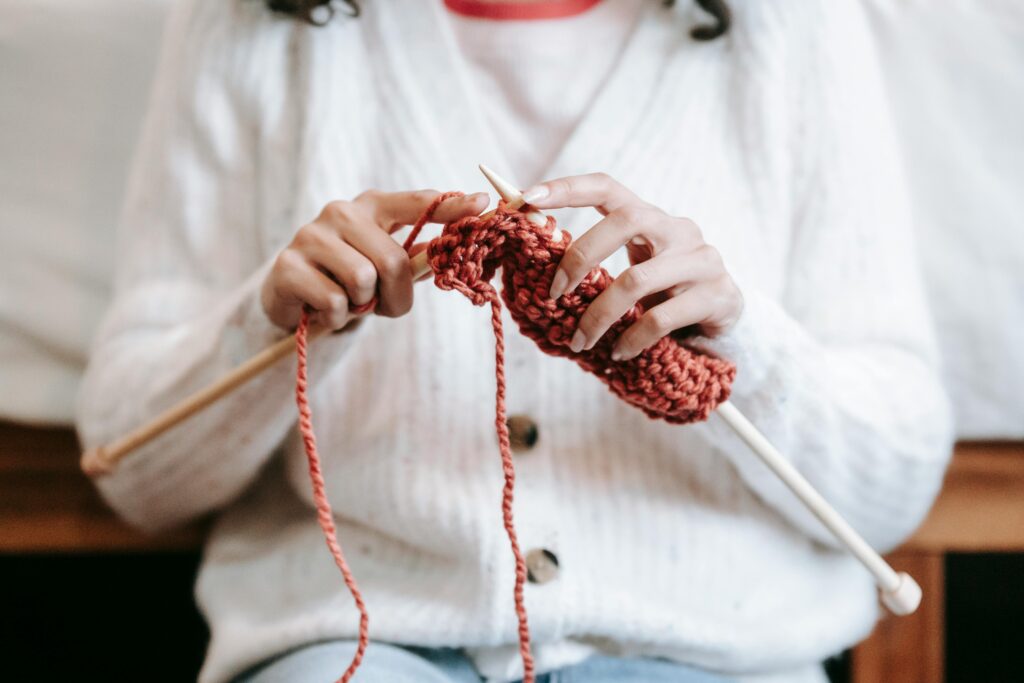
Textile arts (knitting, crocheting, weaving)
Jewelry making
Paper crafts (origami, papercutting)
Glassblowing
Metalworking
Design: Design encompasses the creation of functional and aesthetic solutions to various problems or challenges. This includes:
Industrial design
Interior design
Fashion design
Product design
User experience (UX) design
Architecture
Creative arts serve as a means of self-expression, communication, and cultural preservation. They provide opportunities for individuals to explore their thoughts, emotions, and identities, connect with others, and engage with different perspectives. Whether as a hobby, profession, or form of therapy, engaging in creative arts can offer numerous benefits, including stress relief, personal fulfillment, and cognitive stimulation.
The Benefits of Creative Arts
Engaging in creative arts offers a wide range of benefits for both mental and emotional well-being, including:
Stress Reduction: Immersing yourself in a creative project can provide a welcome escape from the demands of daily life, helping to reduce stress levels and promote relaxation.
Mood Enhancement: Creating art, music, or writing can boost mood and elevate spirits, offering a sense of accomplishment and satisfaction that comes from expressing oneself authentically.
Self-Expression: Creative arts provide a unique outlet for self-expression, allowing individuals to communicate their thoughts, feelings, and experiences in a tangible and meaningful way.
Mindfulness and Presence: Engaging in creative activities fosters mindfulness and presence, encouraging individuals to focus on the present moment and cultivate a sense of awareness and connection to the world around them.
Personal Growth: Exploring new artistic mediums, techniques, and styles can promote personal growth and self-discovery, encouraging individuals to step outside their comfort zones and embrace their creative potential.
Simple DIY Projects to Inspire Creativity
Vision Board: Create a vision board by collecting images, quotes, and words that inspire you and represent your goals, dreams, and aspirations. Arrange them on a poster board or canvas and display it in a prominent place as a daily reminder of your intentions.
Nature Collage: Take a nature walk and collect leaves, flowers, and other natural materials. Use them to create a beautiful collage or mandala on paper or canvas, allowing your creativity to flow freely as you arrange and glue the elements together.
Handmade Greeting Cards: Get crafty and make your own handmade greeting cards for birthdays, holidays, or special occasions. Use colored paper, markers, stickers, and other embellishments to create personalized cards that reflect your unique style and personality.
DIY Journal: Create your own DIY journal by binding together sheets of paper with a decorative cover. Use it as a space to jot down thoughts, ideas, sketches, and reflections, allowing your journal to evolve over time as you fill it with your creative expressions.
Rock Painting: Gather smooth rocks from your backyard or a nearby beach and transform them into works of art with acrylic paints. Let your imagination run wild as you paint colorful designs, patterns, or inspirational messages onto the rocks, then display them in your home or garden.
Whether you’re an experienced artist or a beginner exploring your creative side, there’s something for everyone to enjoy in the world of creative arts. So grab your supplies, unleash your imagination, and let your creativity soar!
Knitting and crochet have deep roots that stretch back centuries, with evidence of these crafts dating back to ancient civilizations such as Egypt, China, and South America. While the exact origins of knitting and crochet are shrouded in history, it’s clear that these textile arts have played a significant role in human culture and society for millennia.
Knitting, characterized by its use of two or more needles to create loops of yarn, is believed to have originated in the Middle East during the early Islamic era, spreading to Europe and beyond via trade routes and cultural exchange. Crochet, on the other hand, likely emerged in Europe during the 16th century, evolving from traditional lace-making techniques and needlework.
Why Knitting and Crochet Endure
Despite the advent of modern technology and mass production, knitting and crochet continue to thrive as beloved pastimes and creative outlets for millions of people worldwide. Here are a few reasons why these crafts remain as popular as ever:
Creativity and Self-Expression: Knitting and crochet provide a canvas for creative expression, allowing individuals to experiment with colors, textures, and patterns to bring their unique visions to life.
Stress Relief and Mindfulness: Engaging in knitting or crochet can have a meditative effect, promoting relaxation, mindfulness, and stress relief as crafters focus on the rhythmic movements of their needles or hooks.
Sense of Accomplishment: Completing a knitting or crochet project brings a sense of satisfaction and accomplishment, boosting confidence and self-esteem as crafters see their creations come to fruition.
Community and Connection: Knitting and crochet foster a sense of community and connection among crafters, whether through local knitting groups, online forums, or social media communities, where individuals can share tips, patterns, and inspiration.
Practicality and Utility: Handmade knitted and crocheted items are not only beautiful and unique but also practical and functional, serving as cozy garments, home decor, gifts, and keepsakes.
Materials and Tools
In knitting and crochet, a wide variety of yarns and other materials are used, each offering unique characteristics in terms of texture, weight, color, and fiber content. Here are some common types of yarn and materials used in these crafts:
Wool: Wool is one of the most popular fibers for knitting and crochet. It is known for its warmth, elasticity, and durability. Wool comes from sheep, but there are also varieties such as merino wool, alpaca wool, and cashmere, each with its own characteristics.
Cotton: Cotton yarn is breathable, soft, and hypoallergenic, making it suitable for warm-weather garments and baby items. It lacks elasticity compared to wool but drapes nicely and holds its shape well.
Acrylic: Acrylic yarn is synthetic and widely available at a lower cost than natural fibers. It is easy to care for, machine washable and comes in a wide range of colors. Acrylic yarn can be softer than wool and is suitable for beginners.
Alpaca: Alpaca yarn is known for its softness, warmth, and luxurious feel. It is hypoallergenic and comes in a variety of natural colors. Alpaca yarn is lightweight and excellent for making garments and accessories.
Silk: Silk yarn is lustrous, smooth, and luxurious. It has a beautiful sheen and drapes elegantly, making it ideal for special occasion garments and accessories. Silk blends, such as silk/wool or silk/cotton, combine the best qualities of both fibers.
Bamboo: Bamboo yarn is made from bamboo fibers and is known for its silky texture, softness, and breathability. It has a slight sheen and is environmentally friendly, as bamboo is a renewable resource.
Linen: Linen yarn is made from the flax plant and is known for its strength, durability, and coolness. It becomes softer with each wash and is suitable for warm-weather garments and home decor items.
Mohair: Mohair yarn comes from the Angora goat and is known for its fuzzy texture, warmth, and lightweight feel. It is often used for making sweaters, shawls, and accessories.
Nylon: Nylon yarn is durable, strong, and stretchy. It is often used as a reinforcement or blending fiber in sock yarns to add strength and elasticity.
Blends: Many yarns are blends of different fibers, combining the desirable characteristics of each. Common blends include wool/acrylic, cotton/acrylic, and wool/silk.
Note: While Acrylic and Nylon may be more economical, they are the least environmentally friendly.
In addition to yarn, other materials commonly used in knitting and crochet include:
Crochet Hooks: Available in various sizes and materials such as aluminum, plastic, wood, and ergonomic designs.
Knitting Needles: Come in straight, circular, and double-pointed varieties, made from materials like wood, bamboo, metal, and plastic.
Notions: Including stitch markers, tapestry needles, row counters, scissors, and blocking tools.
Embroidery Floss: Used for adding embellishments, embroidery, or surface crochet to projects.
Buttons, Beads, and Charms: Embellishments added to finished items for decoration or functionality.
These materials offer a diverse range of options for knitters and crocheters to explore and create beautiful and functional projects.
Getting Started with Knitting and Crochet
If you’re eager to dive into the world of knitting and crochet, here are some tips to help you get started:
Gather Supplies: Invest in a pair of knitting needles or a crochet hook, along with some yarn in a color and weight of your choice. Consider starting with a basic, medium-weight yarn in a light color for ease of handling.
Learn the Basics: Familiarize yourself with basic knitting and crochet stitches, such as the knit stitch, purl stitch, single crochet, and double crochet. There are countless online tutorials, books, and instructional videos available to help you master the fundamentals.
Start Small: Begin with simple projects, such as scarves, dishcloths, or coasters, to practice your skills and build confidence. As you gain experience, you can gradually tackle more complex patterns and techniques.
Join a Community: Seek out local knitting or crochet groups in your area or connect with fellow crafters online through social media platforms, forums, or virtual meetups. Sharing your progress, asking for advice, and receiving encouragement from others can be incredibly motivating and inspiring.
Practice Patience: Remember that knitting and crochet are skills that require patience, practice, and perseverance to master. Be patient with yourself as you learn and don’t be discouraged by mistakes—every stitch is an opportunity to learn and grow as a crafter.
Whether you’re drawn to the rhythmic clicking of knitting needles or the soothing motion of a crochet hook, there’s something magical about the art of creating with yarn. So pick up your needles or hook, choose a skein of yarn that speaks to you, and let your creativity soar as you embark on your own knitting or crochet adventure.
About Elisha
Elisha Valentine is a Wellness Coach, Creative Strategist, and Harmony Dynamics, LLC Founder. She loves to help support you in your journey of optimizing your well-being and enhancing your overall quality of life. ❤️