House plants do much more than just beautify your living space—they also contribute to improved air quality, mental well-being, and overall quality of life. Here are some of the many benefits of incorporating house plants into your home:
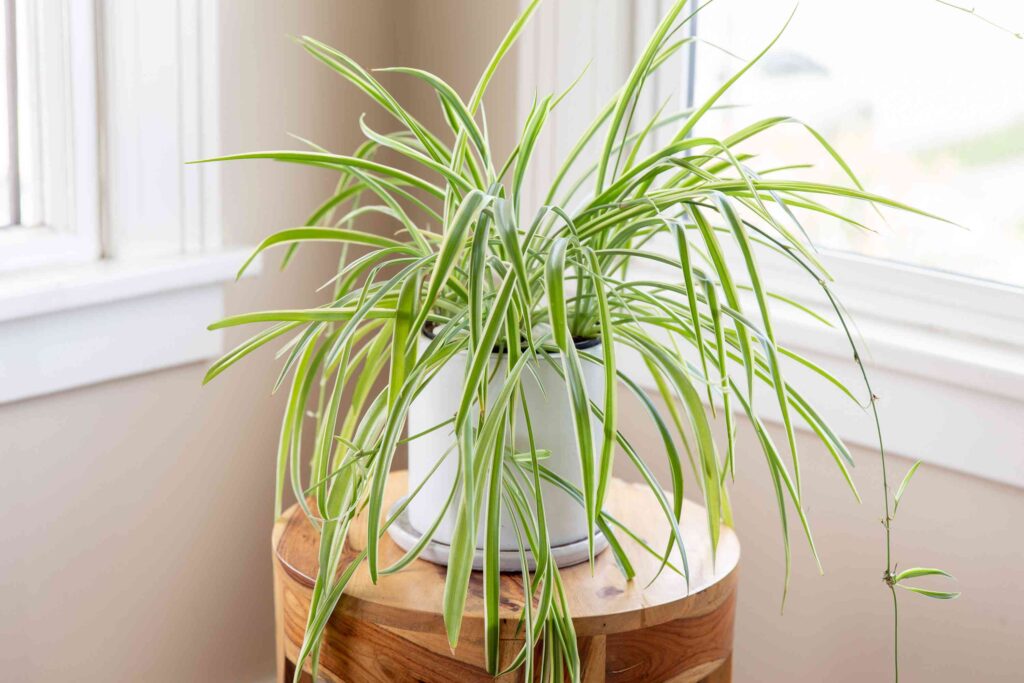
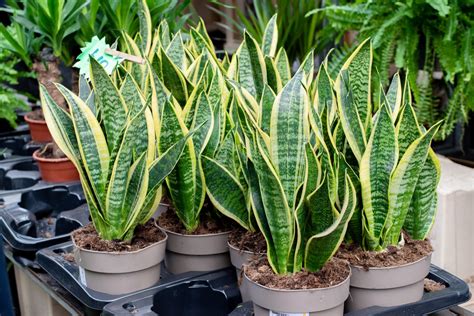
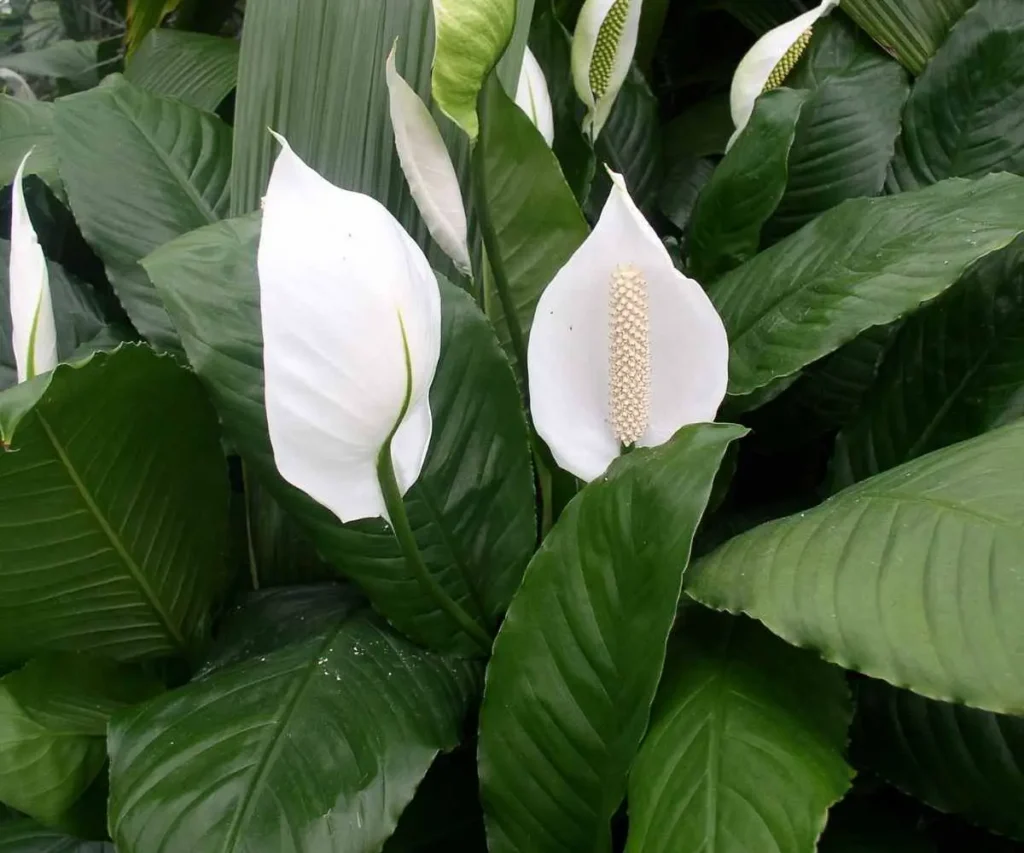
Air Purification: House plants act as natural air purifiers, filtering out toxins and pollutants from indoor air and releasing oxygen into the environment. Plants such as peace lilies, spider plants, and snake plants are particularly effective at removing common indoor pollutants like formaldehyde, benzene, and carbon monoxide.
Stress Reduction: Spending time around house plants has been shown to reduce stress, anxiety, and fatigue, while promoting feelings of calmness, relaxation, and well-being. The act of caring for plants can be therapeutic and meditative, providing a welcome respite from the demands of daily life.
Improved Mood and Productivity: House plants have a positive effect on mood and productivity, boosting concentration, creativity, and cognitive function. Studies have found that simply having plants in your environment can improve mood, reduce fatigue, and increase feelings of happiness and satisfaction.
Humidity Regulation: Many house plants naturally release moisture into the air through a process called transpiration, helping to increase indoor humidity levels and create a more comfortable and breathable environment, especially in dry climates or during winter months.
Biophilic Connection: House plants satisfy our innate biophilic instinct—the inherent human desire to connect with nature and the natural world. Bringing nature indoors can foster a sense of connection, harmony, and balance in our lives, even in urban or indoor environments.
Popular Types of House Plants and Their Benefits
From leafy greens and flowering beauties to succulents and cacti, there’s a house plant to suit every taste, style, and skill level. Here are some popular types of indoor plants and their unique benefits:
Spider Plant (Chlorophytum comosum): Known for its graceful arching leaves and air-purifying properties, the spider plant is a low-maintenance favorite that thrives in bright, indirect light and prefers evenly moist soil. It’s excellent for beginners and is safe for pets.
Snake Plant (Sansevieria trifasciata): With its striking sword-shaped leaves and tolerance for low light and neglect, the snake plant is a hardy and resilient choice for busy households. It purifies the air by removing toxins like formaldehyde and benzene and requires minimal watering.
Peace Lily (Spathiphyllum spp.): Revered for its elegant white flowers and lush green foliage, the peace lily is a popular choice for its air-purifying abilities and adaptability to low light conditions. It also helps to increase indoor humidity levels, making it ideal for dry environments.
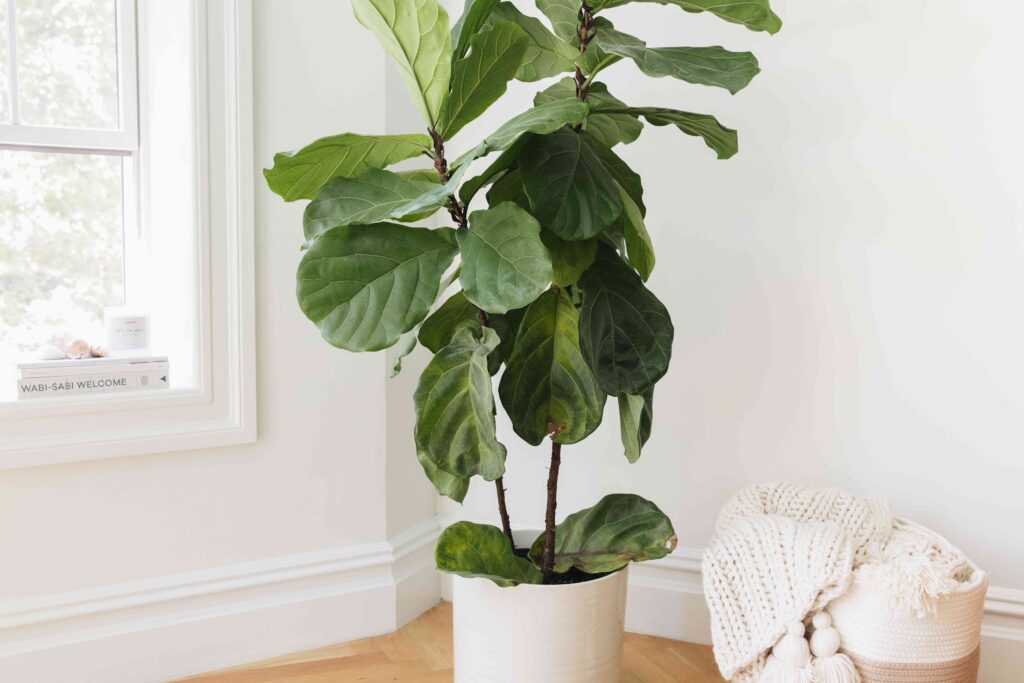
Fiddle Leaf Fig (Ficus lyrata): Characterized by its large, glossy leaves and sculptural form, the fiddle leaf fig is a statement-making plant that adds a touch of drama and sophistication to any space. It thrives in bright, indirect light and requires regular watering and occasional pruning.
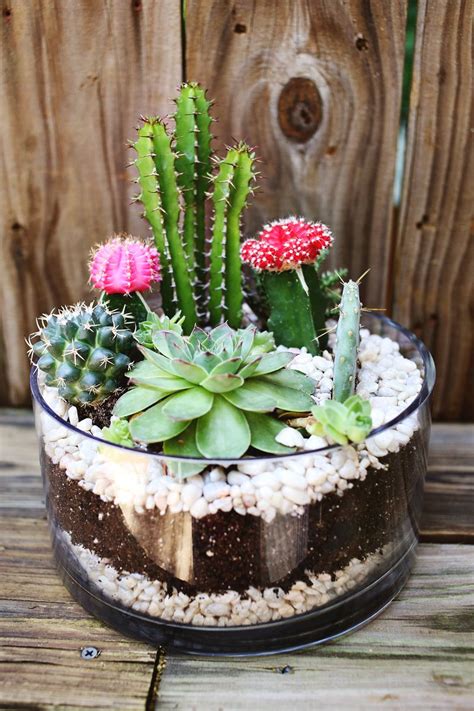
Succulents and Cacti: Succulents and cacti are beloved for their unique shapes, textures, and resilience to drought. They come in a wide variety of colors and sizes and are ideal for adding a touch of desert-inspired charm to your home. Place them in sunny windowsills and water sparingly.
Incorporating House Plants into Your Home
Whether you’re a seasoned plant parent or a novice green thumb, there are countless ways to incorporate house plants into your home to enhance its beauty, ambiance, and livability. Here are some tips for creating a green oasis indoors:
Choose the Right Plants: Select house plants that are well-suited to your home’s lighting conditions, humidity levels, and available space. Consider factors like plant size, growth habits, and care requirements when choosing plants for different rooms.
Create Plant Displays: Arrange your house plants in clusters or groupings to create visually stunning displays that add interest and dimension to your space. Mix and match plants of varying heights, textures, and colors to create a dynamic and harmonious composition.
Experiment with Planters: Get creative with planters and containers to add personality and style to your indoor garden. Consider using decorative pots, baskets, or hanging planters that complement your home’s decor and reflect your personal taste.
Provide Proper Care: Take the time to learn about the specific care needs of your house plants, including watering, fertilizing, pruning, and repotting. Establish a regular watering schedule and monitor your plants for signs of pests, disease, or stress.
Enjoy the Benefits: Take pleasure in the beauty, tranquility, and vitality that house plants bring to your home. Spend time tending to your plants, observing their growth, and basking in the joy of nurturing living things.
Whether you’re looking to purify the air, reduce stress, or simply add a touch of natural beauty to your home, house plants offer a wealth of benefits for both body and soul. So why not bring a little piece of the outdoors indoors and create your own green sanctuary today?
Financial health refers to the overall well-being and stability of an individual’s or entity’s financial situation. It encompasses various aspects of financial management, including income, expenses, savings, investments, debt management, and overall financial stability. Here are some key components of financial health:
Income: Financial health begins with having a reliable source of income that covers essential expenses and allows for savings and investments. A stable and sufficient income provides a foundation for financial security and enables individuals to meet their financial goals.
Budgeting and Expenses: Effective budgeting involves tracking income and expenses, prioritizing spending, and living within one’s means. Financially healthy individuals allocate their income strategically, ensuring that essential expenses are covered while also setting aside funds for savings, investments, and discretionary spending.
Savings and Emergency Fund: Building and maintaining savings is a crucial aspect of financial health. Having an emergency fund to cover unexpected expenses, such as medical bills or car repairs, can prevent financial stress and avoid the need to rely on high-interest debt in times of crisis.
Debt Management: Managing debt responsibly is essential for financial health. This involves understanding and minimizing debt obligations, making timely payments, and avoiding excessive debt accumulation. Strategies such as debt consolidation, refinancing, and prioritizing high-interest debt can help individuals regain control of their finances.
Investments and Retirement Planning: Investing for the future is integral to long-term financial health. This includes saving for retirement through employer-sponsored plans like 401(k)s or individual retirement accounts (IRAs), as well as investing in diversified portfolios of stocks, bonds, and other assets to build wealth over time.
Financial Literacy and Education: Financial health is supported by knowledge and understanding of personal finance concepts and principles. Financially literate individuals make informed decisions about budgeting, saving, investing, and managing debt, empowering them to achieve their financial goals and navigate complex financial environments.
Insurance Coverage: Protecting against financial risks is an important aspect of financial health. Having adequate insurance coverage for health, property, life, disability, and other potential risks can provide peace of mind and safeguard against significant financial losses in the event of unforeseen circumstances.
Overall, financial health is about achieving a balance between income and expenses, managing resources effectively, planning for the future, and being prepared for financial challenges. It involves adopting responsible financial habits, making informed decisions, and taking proactive steps to build and maintain financial well-being over the long term.
Why Financial Health Matters
Financial health is not just about having a large bank account—it’s about having the knowledge, resources, and confidence to make informed decisions about your money and secure your financial future. Here’s why it’s important:
Peace of Mind: Achieving financial stability and security provides peace of mind, reducing stress and anxiety about money and allowing you to focus on what matters most in life.
Freedom and Flexibility: Financial wellness gives you the freedom and flexibility to pursue your passions, goals, and dreams without being constrained by financial limitations.
Ability to Weather Emergencies: Having a financial cushion allows you to weather unexpected emergencies or setbacks, such as job loss, medical expenses, or natural disasters, without going into debt or financial crisis.
Opportunities for Growth: Building wealth through saving and investing opens up opportunities for personal and professional growth, whether it’s starting a business, buying a home, or pursuing higher education.
Legacy Building: Achieving financial health allows you to leave a lasting legacy for future generations, whether it’s through charitable giving, supporting loved ones, or creating generational wealth.
Ways to Save Money
Create a Budget: Start by tracking your income and expenses to create a budget that aligns with your financial goals. Set aside a portion of your income for savings and prioritize essential expenses over non-essentials.
Automate Savings: Set up automatic transfers from your checking account to your savings account each month to ensure consistent saving habits. Consider opening a high-yield savings account to maximize your savings potential.
Reduce Expenses: Look for opportunities to cut unnecessary expenses, such as dining out less frequently, canceling unused subscriptions, and negotiating lower bills for services like cable, internet, and insurance.
Shop Smart: Comparison shop for big-ticket items, use coupons and discount codes when shopping online, and take advantage of cashback and rewards programs to stretch your dollars further.
Plan for Major Expenses: Anticipate major expenses, such as vacations, home repairs, and vehicle maintenance, and set aside funds in advance to avoid relying on credit cards or loans.
Ways to Invest Money*
Start Early: Begin investing as soon as possible to take advantage of compound interest and maximize your long-term returns. Even small contributions can add up significantly over time.
Diversify Your Portfolio: Spread your investments across different asset classes, such as stocks, bonds, real estate, and alternative investments — such as cryptocurrency and NFTs, to reduce risk and increase potential returns.
Consider Retirement Accounts: Take advantage of employer-sponsored retirement plans, such as 401(k) or 403(b) plans, and individual retirement accounts (IRAs) to save for retirement with tax advantages.
Educate Yourself: Take the time to educate yourself about different investment options, strategies, and market trends. Consider working with a financial advisor to develop a personalized investment plan tailored to your goals and risk tolerance.
Stay the Course: Invest for the long term and resist the urge to make impulsive decisions based on short-term market fluctuations. Stick to your investment plan and stay disciplined, even during periods of market volatility.
By implementing these strategies for saving and investing, you can take control of your financial future and build a solid foundation for long-term prosperity and success.
*Disclaimer: The information provided in this newsletter is for educational and informational purposes only and should not be construed as financial advice or recommendations. We are not financial advisors, and the content presented in this newsletter is not intended to substitute for professional financial guidance.
Individuals should consult with a qualified financial advisor or planner before making any financial decisions or investments. Every individual’s financial situation is unique, and what may be suitable for one person may not be appropriate for another.
While we strive to provide accurate and up-to-date information, we make no representations or warranties of any kind, express or implied, about the completeness, accuracy, reliability, suitability, or availability of the information provided.
Readers are encouraged to conduct their own research and due diligence before implementing any strategies or making financial decisions. We disclaim any liability for any errors or omissions in the content of this newsletter or for any actions taken in reliance on the information provided herein.
Investing and saving involve risks, including the risk of loss of principal. Past performance is not indicative of future results. Readers should carefully consider their own financial situation, risk tolerance, and investment objectives before making any decisions.
Mushrooms, with their diverse shapes, sizes, and colors, have long fascinated humans, both as culinary delights and as objects of curiosity. However, it’s essential to tread cautiously in the world of fungi, as not all mushrooms are safe for consumption. While some varieties boast delicious flavors and nutritional benefits, others can be toxic or even deadly if ingested.
In this guide, we’ll explore the fascinating world of edible mushrooms, focusing on species that are not only safe to eat but also prized for their culinary versatility and health-promoting properties. Before delving into the delightful array of edible fungi, let’s first clarify what sets them apart from their potentially hazardous counterparts. Understanding the key characteristics of edible mushrooms will help ensure a safe and enjoyable foray into the world of mycophagy, or mushroom eating.
Types of Edible Mushrooms 🍄🟫
There are numerous varieties of edible mushrooms enjoyed by people around the world. Here are some commonly consumed edible mushrooms:
Button Mushroom (Agaricus bisporus): One of the most widely cultivated and consumed mushrooms, the button mushroom is mild in flavor and versatile in cooking. It ranges in color from white to light brown and is commonly used in salads, soups, stir-fries, and as a pizza topping.
Portobello Mushroom (Agaricus bisporus): A mature version of the button mushroom, the portobello mushroom has a meaty texture and a robust, earthy flavor. It is often grilled, roasted, or stuffed and makes a hearty vegetarian alternative to meat.
Shiitake Mushroom (Lentinula edodes): Native to East Asia, shiitake mushrooms have a savory, umami-rich flavor and a meaty texture. They are commonly used in Asian cuisine, including stir-fries, soups, and noodle dishes, and are also prized for their potential health benefits.
Oyster Mushroom (Pleurotus ostreatus): With a delicate, mild flavor and a tender texture, oyster mushrooms are versatile in cooking. They can be sautéed, roasted, grilled, or used in soups, stews, and pasta dishes.
Chanterelle Mushroom (Cantharellus cibarius): Known for their distinctive trumpet-like shape and fruity aroma, chanterelle mushrooms have a delicate, slightly peppery flavor. They are often used in upscale cuisine, including risottos, sauces, and gourmet dishes.
Morel Mushroom (Morchella spp.): Highly prized for their unique flavor and texture, morel mushrooms have a honeycomb-like appearance and a nutty, earthy flavor. They are typically foraged in the wild and used in gourmet cooking, including sauces, soups, and sautés.
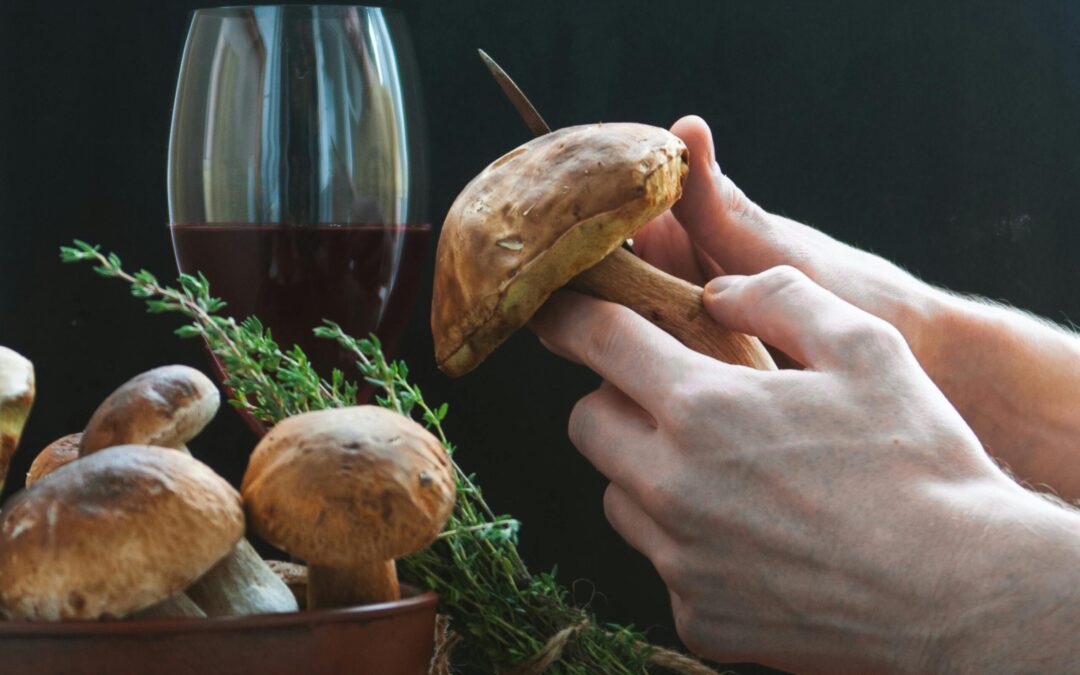
Porcini Mushroom (Boletus edulis): Also known as cep or king bolete, porcini mushrooms have a rich, nutty flavor and a meaty texture. They are highly valued in European cuisine, particularly Italian and French dishes, and are used in risottos, pasta dishes, and sauces.
Enoki Mushroom (Flammulina velutipes): With long, slender stems and small caps, enoki mushrooms have a mild, slightly fruity flavor and a crunchy texture. They are commonly used in Asian cuisine, including soups, salads, and stir-fries.
Maitake Mushroom (Grifola frondosa): Also known as hen-of-the-woods, maitake mushrooms have a distinctive frilly appearance and a rich, earthy flavor. They are prized for their potential health benefits and are used in soups, stir-fries, and sautés.
These are just a few examples of edible mushrooms, but there are many other varieties enjoyed by culinary enthusiasts around the world. It’s important to properly identify and prepare mushrooms before consuming them, as some species may be toxic or cause allergic reactions. If unsure, it’s best to consult with an expert or purchase mushrooms from a reputable source.
The Health Benefits of Edible Mushrooms 🍄🟫
Edible mushrooms are not only prized for their rich umami flavor and meaty texture but also renowned for their impressive nutritional profile and health-promoting properties. Here are some of the many benefits of including mushrooms in your diet:
Nutrient-Rich: Edible mushrooms are a low-calorie, nutrient-dense food packed with essential vitamins, minerals, and antioxidants. They’re an excellent source of B vitamins, potassium, selenium, copper, and zinc, as well as fiber and protein.
Immune Support: Mushrooms contain bioactive compounds like beta-glucans, polysaccharides, and ergothioneine that have been shown to support immune function, reduce inflammation, and enhance overall health and vitality.
Heart Health: The fiber, potassium, and antioxidants found in mushrooms can help lower cholesterol levels, regulate blood pressure, and reduce the risk of heart disease, stroke, and other cardiovascular conditions.
Weight Management: Mushrooms are low in calories and fat but high in fiber and protein, making them a satisfying and filling addition to meals that can help support weight loss and weight management goals.
Anticancer Properties: Certain mushrooms, such as shiitake, maitake, and reishi, contain bioactive compounds with potent anticancer properties that have been studied for their ability to inhibit tumor growth, boost immune response, and enhance overall cancer prevention and treatment.
Incorporating Mushrooms into Plant-Based Dishes 🍄🟫
From savory soups and stews to hearty pasta dishes and flavorful stir-fries, mushrooms add depth, richness, and complexity to plant-based meals. Here are some inspiring examples of how you can incorporate mushrooms into your culinary repertoire:
Mushroom Risotto: Whip up a creamy and comforting mushroom risotto using a combination of mushrooms such as cremini, shiitake, and oyster mushrooms. Finish with a sprinkle of fresh herbs and a drizzle of truffle oil for extra indulgence.
Stuffed Mushrooms: Hollow out large mushroom caps and fill them with a savory mixture of breadcrumbs, herbs, garlic, vegan cheese, and chopped vegetables. Bake until golden and bubbly for a crowd-pleasing appetizer or main course.
Mushroom Stir-Fry: Create a vibrant and flavorful stir-fry using an assortment of mushrooms, colorful bell peppers, snap peas, broccoli, and tofu or tempeh. Toss with a homemade stir-fry sauce and serve over brown rice or noodles for a nutritious and satisfying meal.
Mushroom Wellington: Impress your guests with a show-stopping mushroom Wellington—a flaky puff pastry filled with a rich and savory mixture of mushrooms, onions, garlic, spinach, and vegan cheese. Slice and serve with a tangy mushroom gravy for a decadent holiday feast.
Mushroom Tacos: Elevate your taco night with hearty and flavorful mushroom tacos. Sauté sliced mushrooms with onions, garlic, and spices like cumin, chili powder, and smoked paprika. Serve in warm tortillas with your favorite toppings such as avocado, salsa, cilantro, and lime wedges.
Whether you’re a seasoned chef or a novice cook, edible mushrooms offer endless possibilities for creativity and culinary exploration. So head to your local farmers’ market or grocery store, pick up a variety of mushrooms, and let your imagination run wild as you experiment with new flavors, textures, and dishes.
Creative writing is a form of self-expression that encompasses a wide range of genres, styles, and techniques, from poetry and short stories to novels, essays, and memoirs. At its core, creative writing is about exploring the depths of our imagination, tapping into our emotions, and crafting narratives that captivate, inspire, and resonate with readers.
Examples of Creative Writing
To spark your imagination and inspire your own creative endeavors, here are a few examples of different forms of creative writing:
Poetry: Poems come in many shapes and forms, from traditional sonnets and haikus to free verse and experimental poetry. Explore the rhythm, imagery, and language of poetry to convey emotions, ideas, and experiences in a concise and powerful way.
Short Stories: Short stories are brief works of fiction that focus on a single event, character, or theme. Dive into the world of short fiction and explore the art of storytelling, character development, and plot twists within the confines of a limited word count.
Flash Fiction: Flash fiction, also known as micro fiction or sudden fiction, is a form of ultra-short storytelling characterized by its brevity and conciseness. Challenge yourself to craft compelling narratives in 1,000 words or less, capturing moments of revelation, surprise, or transformation.
Creative Nonfiction: Creative nonfiction blends elements of storytelling with factual accuracy, allowing writers to explore real-life events, experiences, and perspectives in a narrative form. Experiment with memoirs, personal essays, travel writing, and narrative journalism to share your own truths and insights with readers.
A Few Famous Writers
There are countless famous creative writers who have made significant contributions to literature across various genres and time periods. Here are just a few notable examples:
William Shakespeare: Widely regarded as one of the greatest playwrights in the English language, Shakespeare’s works, including “Hamlet,” “Romeo and Juliet,” and “Macbeth,” continue to be celebrated for their rich language, complex characters, and timeless themes.
Jane Austen: Known for her wit, social commentary, and keen insight into human nature, Austen’s novels, such as “Pride and Prejudice,” “Sense and Sensibility,” and “Emma,” remain beloved classics of English literature.
Charles Dickens: A prolific novelist of the Victorian era, Dickens wrote many iconic works, including “Great Expectations,” “A Tale of Two Cities,” and “Oliver Twist,” which vividly depicted the social issues and injustices of his time.
Virginia Woolf: A leading figure of the modernist movement, Woolf’s experimental novels, such as “Mrs. Dalloway,” “To the Lighthouse,” and “Orlando,” challenged traditional narrative conventions and explored themes of identity, memory, and consciousness.
Ernest Hemingway: Known for his spare and economical prose style, Hemingway’s works, including “The Old Man and the Sea,” “A Farewell to Arms,” and “For Whom the Bell Tolls,” captured the disillusionment and existential angst of the early 20th century.
Toni Morrison: A trailblazing novelist and Nobel laureate, Morrison’s powerful and lyrical works, such as “Beloved,” “Song of Solomon,” and “The Bluest Eye,” explored the African American experience with depth, empathy, and mythic resonance.
Gabriel García Márquez: A master of magical realism, García Márquez’s novels, including “One Hundred Years of Solitude,” “Love in the Time of Cholera,” and “Chronicle of a Death Foretold,” blend fantastical elements with vivid depictions of Latin American life and history.
Creative Writers of the 21st Century
In the 21st century, numerous creative writers have made significant contributions to literature across various genres. Here are some notable examples:
J.K. Rowling: Best known for the “Harry Potter” series, Rowling’s imaginative storytelling has captivated readers of all ages and made her one of the most successful authors of contemporary literature.
Haruki Murakami: A Japanese author whose surreal and atmospheric novels, such as “Norwegian Wood,” “1Q84,” and “Kafka on the Shore,” have earned him international acclaim and a devoted following.
Chimamanda Ngozi Adichie: A Nigerian author known for her powerful storytelling and exploration of themes such as identity, race, and gender. Her novels, including “Half of a Yellow Sun,” “Americanah,” and “Purple Hibiscus,” have won numerous awards and garnered critical acclaim.
Zadie Smith: A British author known for her insightful and humorous exploration of contemporary life and multiculturalism. Her novels, such as “White Teeth,” “On Beauty,” and “Swing Time,” have earned her widespread praise and literary awards.
Elena Ferrante: An Italian author known for her Neapolitan Novels series, which explores the lives and friendships of two women from childhood to old age against the backdrop of post-war Italy. Ferrante’s works have been widely translated and adapted for television.
Ta-Nehisi Coates: An American author and journalist known for his incisive commentary on race, politics, and culture. Coates’s books, including “Between the World and Me” and “The Water Dancer,” have earned him critical acclaim and numerous awards, including the National Book Award.
Sally Rooney: An Irish author whose novels, such as “Conversations with Friends” and “Normal People,” explore themes of love, friendship, and identity with sensitivity and nuance. Rooney’s works have been praised for their sharp dialogue and incisive portrayal of contemporary relationships.
Ocean Vuong: A Vietnamese-American poet and novelist known for his lyrical and evocative writing style. Vuong’s debut novel, “On Earth We’re Briefly Gorgeous,” received widespread acclaim for its exploration of identity, family, and the immigrant experience.
These are just a few examples of the many influential and celebrated creative writers whose works continue to resonate with readers around the world.
Creative Writing as a Career
It is possible to make a career out of creative writing, although it often requires dedication, persistence, and versatility. Creative writing encompasses various forms and mediums, including novels, short stories, poetry, screenwriting, playwriting, journalism, copywriting, blogging, and more. Here are some avenues through which you can pursue a career in creative writing:
Authorship: Many writers aspire to become published authors, writing novels, short stories, or poetry collections for traditional publishing houses or self-publishing their work. While the path to publication can be challenging and competitive, successful authors can earn income through book sales, royalties, and advances.
Freelance Writing: Freelance writers work on a project-by-project basis, providing writing services to clients such as magazines, websites, businesses, and nonprofit organizations. Freelance writing opportunities may include articles, essays, reviews, marketing copy, ghostwriting, editing, and more. Freelancers often enjoy flexibility in their schedules and can work from home or remotely.
Journalism: Journalists write news articles, features, and investigative pieces for newspapers, magazines, online publications, radio, television, and digital media outlets. While journalism requires strong research and reporting skills, it offers opportunities to cover a wide range of topics, including current events, politics, culture, science, and human interest stories.
Screenwriting: Screenwriters write scripts for film, television, streaming platforms, and other visual media. Screenwriting requires a specialized skill set, including storytelling, dialogue, character development, and understanding of visual storytelling techniques. Successful screenwriters may work independently or collaborate with producers, directors, and production companies.
Content Creation: Content creators produce written content for digital platforms, including blogs, websites, social media, and online publications. Content creation opportunities may include blogging, copywriting, content marketing, social media management, email newsletters, and digital storytelling.
Teaching and Academia: Some writers pursue careers in teaching creative writing at schools, colleges, universities, writing workshops, and community education programs. Additionally, writers with advanced degrees may pursue careers in academia, conducting research, publishing scholarly articles, and teaching literature and creative writing at the collegiate level.
Editorial Work: Editors work with writers to refine and polish their writing for publication. Editorial roles may include developmental editing, copyediting, proofreading, and manuscript evaluation for publishing houses, literary magazines, academic journals, and freelance clients.
While a career in creative writing can be fulfilling and rewarding, it often requires perseverance, flexibility, and a willingness to adapt to the evolving publishing landscape. Building a successful career in creative writing may involve a combination of honing writing skills, networking, building a platform or audience, seeking opportunities for publication, and continuously developing one’s craft and expertise.
Tips to Get Started with Creative Writing
Ready to unleash your creativity and start writing? Here are some tips to help you get started on your own creative writing journey:
Find Your Inspiration: Seek inspiration from your own life experiences, observations, and imagination. Keep a journal, jot down ideas, and pay attention to the world around you for inspiration.
Experiment with Different Genres: Explore different genres, styles, and forms of creative writing to find what resonates with you most deeply. Don’t be afraid to step outside your comfort zone and try new things.
Create a Writing Routine: Set aside dedicated time each day or week to write, whether it’s early in the morning, late at night, or during your lunch break. Consistency is key to developing your skills and cultivating your creativity.
Read Widely and Wisely: Read voraciously across different genres and styles to expand your literary horizons, learn from the masters, and discover new techniques and approaches to storytelling.
Join a Writing Community: Connect with other writers, join writing groups or workshops, and seek feedback and support from fellow creatives. Sharing your work with others can provide valuable insights, encouragement, and motivation along your writing journey.
Embrace the Editing Process: Writing is rewriting. Embrace the editing process as an opportunity to refine your ideas, polish your prose, and craft a compelling narrative that resonates with readers.
Whether you’re a seasoned writer or a beginner exploring the joys of creative expression, there’s something magical about the art of creative writing. So pick up your pen, open your heart, and let your imagination soar as you embark on your own writing adventure.
The history of dance is as diverse and dynamic as the cultures and societies that have practiced it throughout time. While it’s challenging to provide a comprehensive overview in a brief format, here are some key highlights:
Ancient Origins: Dance has ancient roots, with evidence of dance-like rituals dating back tens of thousands of years. In prehistoric times, early humans likely danced as part of religious ceremonies, social gatherings, and rites of passage. Cave paintings and artifacts suggest that dance was an integral part of early human culture.
Classical Civilizations: Dance flourished in the classical civilizations of ancient Greece and Rome. In Greece, dance was closely linked to theater, with the development of dramatic forms such as tragedy and comedy. Greek dance forms like the choral ode and the dithyramb influenced later Western dance traditions. In Rome, dance was often associated with religious festivals and entertainment in arenas and theaters.
Medieval and Renaissance Europe: During the Middle Ages, dance continued to play a significant role in religious rituals, courtly entertainment, and folk traditions across Europe. In the Renaissance period, dance experienced a revival, with the emergence of elaborate court dances, such as the pavane and galliard, as well as the development of ballet as a theatrical art form.
19th Century Ballet: The 19th century saw the rise of ballet as a highly codified and theatrical dance form. Ballet masters like Marius Petipa and choreographers such as Jean-Georges Noverre and August Bournonville played pivotal roles in shaping the classical ballet repertoire and technique. Ballet became synonymous with elegance, grace, and virtuosity, with iconic works like “Swan Lake,” “The Nutcracker,” and “Giselle” captivating audiences worldwide.
20th Century Innovations: The 20th century witnessed a period of unprecedented experimentation and innovation in dance. Modern dance pioneers such as Isadora Duncan, Martha Graham, and Merce Cunningham broke away from the rigid conventions of classical ballet, exploring new forms of movement, expression, and choreographic language. Additionally, social dances like jazz, tap, and hip-hop emerged and evolved, reflecting the cultural shifts and diversity of the modern world.
Contemporary Dance: In the 21st century, dance continues to evolve and diversify, reflecting the globalized and interconnected nature of contemporary society. Contemporary dance encompasses a wide range of styles and approaches, from avant-garde experimentation to cultural fusion and hybrid forms. Dancers and choreographers draw inspiration from diverse sources, including technology, social issues, and cross-cultural exchange, pushing the boundaries of artistic expression and innovation.
Throughout history, dance has been a powerful means of communication, cultural expression, and personal creativity, transcending boundaries of time, language, and geography. It remains an integral part of the human experience, enriching lives and communities worldwide.
The Significance of Dance in Indigenous Cultures
Dance holds deep significance in indigenous cultures around the world, serving as a cornerstone of spiritual, cultural, and social life. Here are some key aspects of the significance of dance to indigenous cultures:
Spiritual Connection: In many indigenous traditions, dance is a sacred practice that fosters a connection to the natural world, ancestors, and spiritual beings. Dances are often performed as part of religious ceremonies, rituals, and seasonal celebrations to honor deities, invoke blessings, and maintain harmony with the cosmos. Through dance, indigenous peoples express reverence for the earth, sky, water, and other elements of the natural environment, embodying a deep sense of interconnectedness and respect for all living beings.
Cultural Identity: Dance plays a vital role in preserving and transmitting indigenous cultures, traditions, and knowledge from one generation to the next. Indigenous dances often incorporate storytelling, symbolism, and oral history, conveying important teachings about ancestry, mythology, and community values. By participating in traditional dances, indigenous peoples reaffirm their cultural identity, resilience, and collective memory, strengthening bonds within their communities and reaffirming their place in the world.
Healing and Transformation: In many indigenous cultures, dance is a form of healing and transformation, addressing physical, emotional, and spiritual well-being. Healing dances, often accompanied by music, chanting, and ceremonial rituals, are believed to restore balance and harmony within individuals and communities, addressing illness, trauma, and spiritual unrest. Through movement and expression, dancers release negative energies, connect with inner wisdom, and cultivate resilience and renewal.
Social Cohesion: Dance serves as a powerful tool for social cohesion and solidarity within indigenous communities. Group dances, performed at gatherings, festivals, and communal events, strengthen bonds among individuals, families, and tribes, fostering a sense of belonging, cooperation, and shared purpose. Through collaborative movement and rhythm, dancers celebrate shared heritage, express collective aspirations, and reinforce social ties that sustain community resilience and vitality.
Resistance and Resilience: In many indigenous contexts, dance has been a form of resistance and resilience in the face of colonization, oppression, and cultural erasure. Indigenous peoples have used dance as a means of reclaiming their cultural identity, asserting sovereignty, and asserting their rights to land, language, and self-determination. Through expressive movements and cultural revitalization efforts, indigenous dancers assert their agency, voice, and presence, challenging dominant narratives and asserting the value of indigenous knowledge and ways of life.
Overall, dance holds profound significance in indigenous cultures, embodying spiritual, cultural, and social dimensions that are essential to the survival, resilience, and well-being of indigenous peoples worldwide.
Why Dance Matters
Dance is more than just a form of physical exercise—it’s a joyful expression of creativity, emotion, and connection that nourishes the mind, body, and soul. Here are a few reasons why dance is good for you:
Physical Fitness: Dancing is a fun and effective way to improve cardiovascular health, strength, flexibility, and endurance, all while burning calories and toning muscles.
Stress Relief: Moving to music can help release tension, reduce stress, and promote relaxation, offering a welcome escape from the pressures of daily life.
Mood Enhancement: Dancing releases endorphins, the body’s natural feel-good chemicals, which can boost mood, increase energy levels, and promote a sense of well-being and happiness.
Creative Expression: Dance provides a unique outlet for self-expression, allowing individuals to convey emotions, tell stories, and communicate without words through movement and gesture.
Social Connection: Dancing with others fosters a sense of community, camaraderie, and belonging, promoting social interaction, teamwork, and mutual support.
Types of Dance to Explore
The world of dance is as diverse as it is dynamic, encompassing a wide range of styles, traditions, and cultures. Here are just a few of the many types of dance you can explore:
Ballet: Known for its graceful movements, precise technique, and storytelling through dance, ballet is a classical art form that has captivated audiences for centuries.
Hip-Hop: Originating in urban communities, hip-hop dance encompasses a wide range of styles, including breaking, popping, locking, and freestyle, and is characterized by its high energy, athleticism, and improvisation.
Salsa: Originating in Latin America, salsa is a vibrant and sensual dance style characterized by its lively footwork, rhythmic hip movements, and infectious music.
Contemporary: Contemporary dance is a fluid and expressive form that combines elements of ballet, modern dance, and improvisation, allowing for freedom of movement and artistic interpretation.
Ballroom: Ballroom dance encompasses a variety of partner dances, including waltz, foxtrot, tango, and cha-cha, characterized by its elegant and graceful movements.
How to Get Started with Dance
Getting started with dance is easy and accessible to anyone, regardless of age, experience, or ability. Here are some tips to help you embark on your dance journey:
Find Your Style: Explore different dance styles to discover what resonates with you most deeply. Try taking introductory classes or watching online tutorials to get a feel for different styles and techniques.
Start Slow: Don’t be afraid to start slow and take things at your own pace. Focus on mastering basic movements and building a strong foundation before moving on to more advanced techniques.
Practice Regularly: Consistency is key when it comes to improving your dance skills. Set aside time each week to practice, whether it’s in a studio, at home, or in your living room.
Have Fun: Above all, remember to have fun and enjoy the process! Dance is a joyful and expressive art form that is meant to be enjoyed, so don’t be afraid to let loose, express yourself, and dance like nobody’s watching.
Elisha Valentine is a Wellness Coach, Creative Strategist, and Harmony Dynamics, LLC Founder. She loves to help support you in your journey of optimizing your well-being and enhancing your overall quality of life. ❤️