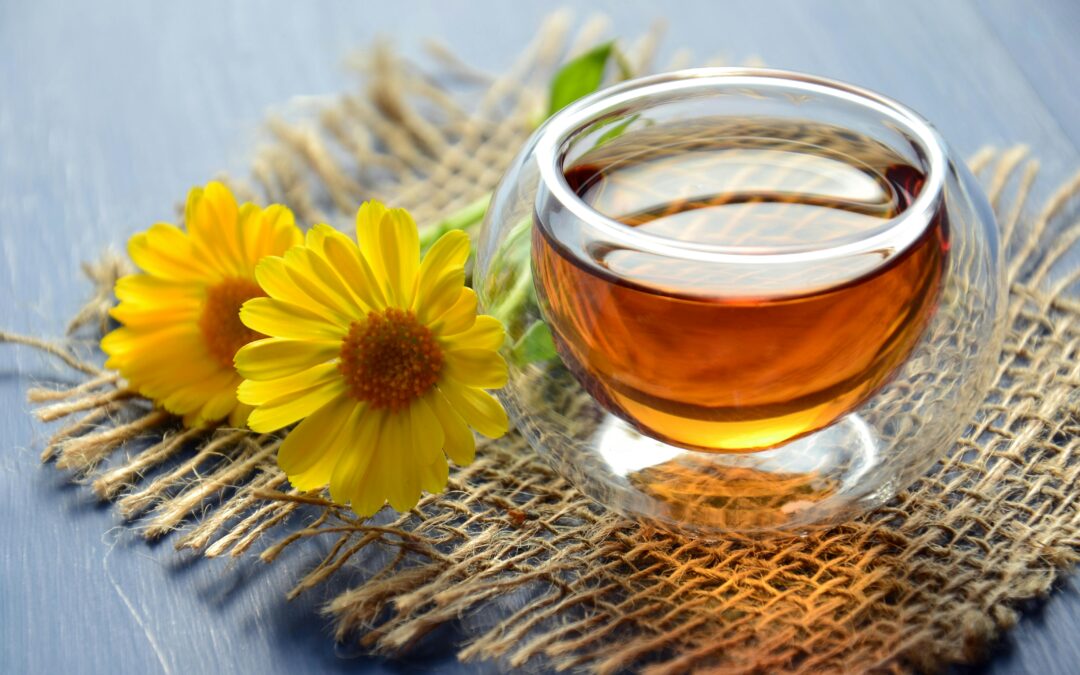
Herbal teas, also known as tisanes, have been enjoyed for thousands of years by cultures around the world for their medicinal properties and refreshing flavors. The practice of infusing hot water with herbs, flowers, roots, and spices dates back to ancient civilizations such as China, Egypt, Greece, and India, where herbal remedies were revered for their healing properties and spiritual significance.
Throughout history, herbal teas have been used to promote relaxation, alleviate ailments, and enhance overall well-being. From traditional Chinese herbal medicine to Ayurvedic healing practices, the use of medicinal herbs in tea form has been passed down through generations, offering a natural and holistic approach to health and healing.
The Benefits of Herbal Teas
Herbal teas offer a wide range of benefits for both the body and mind, including:
Digestive Support: Many herbal teas, such as peppermint, ginger, and chamomile, are known for their soothing properties and ability to aid digestion, alleviate bloating, and relieve gastrointestinal discomfort.
Stress Relief: Herbal teas like lavender, lemon balm, and passionflower contain calming compounds that promote relaxation, reduce anxiety, and improve sleep quality, making them ideal for unwinding after a long day.
Immune Boosting: Certain herbs, such as echinacea, elderberry, and astragalus, possess immune-boosting properties that help strengthen the body’s natural defenses and protect against illness, particularly during cold and flu season.
Antioxidant Support: Many herbal teas are rich in antioxidants, which help combat oxidative stress, reduce inflammation, and support overall health and vitality.
Hydration: Herbal teas provide a hydrating alternative to sugary beverages, helping to keep the body properly hydrated and promoting healthy skin, digestion, and detoxification.
Delightful Herbal Tea Blends to Try
Chamomile Lavender: A soothing blend of chamomile flowers and lavender buds, perfect for promoting relaxation and restful sleep.
Ginger Turmeric: A warming blend of ginger root and turmeric, prized for its anti-inflammatory properties and digestive benefits.
Peppermint Eucalyptus: A refreshing blend of peppermint leaves and eucalyptus leaves, ideal for relieving congestion and promoting respiratory health.
Hibiscus Rosehip: A tart and tangy blend of hibiscus flowers and rosehip berries, packed with vitamin C and antioxidants for immune support.
Lemon Ginger: A zesty blend of lemon peel and ginger root, known for its uplifting and invigorating properties.
Incorporating Herbal Teas Into Your Wellness Routine
Whether you’re looking to unwind after a stressful day, support your immune system, or simply enjoy a flavorful and comforting beverage, herbal teas offer a versatile and nourishing addition to your wellness routine. Here are some tips for incorporating herbal teas into your daily life:
Experiment with different herbal blends to discover your favorites and explore their unique flavors and benefits.
Enjoy a cup of herbal tea as part of your morning ritual, afternoon pick-me-up, or evening wind-down routine.
Enhance the therapeutic benefits of herbal teas by pairing them with mindful practices such as meditation, deep breathing, or gentle stretching.
Get creative in the kitchen by using herbal teas as a base for homemade syrups, cocktails, smoothies, or culinary infusions.
May you find joy, nourishment, and wellness in every sip as you continue on your own herbal tea journey.
Self-expression is the act of communicating one’s thoughts, feelings, and experiences in a way that is authentic and true to oneself. It encompasses a wide range of creative outlets, including art, music, writing, dance, poetry, and more. Through self-expression, we give voice to our innermost selves, sharing our unique perspectives and emotions with the world.
Why is Self-Expression Essential?
Self-expression is essential for several reasons:
Authenticity: By expressing ourselves authentically, we honor our true selves and cultivate a deeper sense of authenticity in our lives.
Emotional Release: Self-expression serves as a powerful outlet for releasing pent-up emotions, relieving stress, and processing difficult experiences.
Connection: Sharing our stories, art, and experiences with others fosters connection, empathy, and understanding, strengthening our relationships and building a sense of community.
Self-Discovery: Through creative expression, we explore our inner worlds, uncovering hidden truths and discovering new facets of ourselves along the way.
How Does Self-Expression Contribute to Self-Care?
Self-expression is an integral component of self-care practices that nourish our minds, bodies, and spirits. Here’s how:
Emotional Well-Being: Engaging in creative activities allows us to express and validate our emotions, promoting emotional well-being and resilience.
Stress Relief: Immersing ourselves in creative pursuits provides a welcome distraction from life’s stressors, helping to reduce anxiety and promote relaxation.
Self-Exploration: Through self-expression, we gain insight into our thoughts, feelings, and desires, deepening our self-awareness and promoting personal growth.
Joy and Fulfillment: Creating art, music, or writing that resonates with our souls brings us joy and a sense of fulfillment, nurturing our spirits and enhancing our overall quality of life.
Incorporating Self-Expression Into Your Self-Care Routine
Here are some simple ways to incorporate self-expression into your daily self-care routine:
Set aside time each day for creative activities that bring you joy, whether it’s painting, journaling, dancing, or playing music.
Experiment with different forms of self-expression to discover what resonates with you most deeply.
Join a creative community or workshop to connect with others who share your interests and passions.
Practice self-compassion and embrace imperfection in your creative endeavors, focusing on the process rather than the outcome.
Remember, self-expression is a deeply personal and individual journey. Embrace your unique voice, honor your inner truths, and allow your creativity to guide you on the path to self-discovery and well-being.
In today’s fast-paced world, where busyness is often glorified and productivity is prioritized, the importance of rest and relaxation cannot be overstated. Napping provides an opportunity to recharge and reset, allowing our bodies and minds to recover from the demands of daily life and perform at their best. Here are some reasons why napping is so important:
Improved Cognitive Function: Napping has been shown to enhance cognitive function, memory consolidation, and problem-solving skills, leading to improved focus, creativity, and productivity.
Increased Alertness and Energy: Taking a nap can help combat feelings of fatigue, drowsiness, and lethargy, providing a natural energy boost to help you power through the rest of your day.
Stress Reduction: Napping has a calming and stress-relieving effect on the body, lowering levels of cortisol (the stress hormone) and promoting relaxation and emotional well-being.
Enhanced Mood: Napping can lift your spirits and improve your mood, reducing feelings of irritability, frustration, and overwhelm, and promoting a sense of tranquility and contentment.
Physical Recovery: Napping allows your body to rest and recover from physical exertion, promoting muscle repair, tissue regeneration, and overall physical health and vitality.
Different Types of Naps
Not all naps are created equal, and different types of naps serve different purposes depending on your needs and preferences. Here are some common types of naps:
Power Nap: A short nap lasting 10-20 minutes, ideal for boosting alertness, focus, and energy without entering deeper stages of sleep.
Catnap: A brief nap lasting 5-10 minutes, often taken sitting upright, and designed to provide a quick refreshment without disrupting your daily routine.
Nappuccino: A combination of a caffeine boost (typically in the form of coffee or tea) followed by a short nap, designed to maximize alertness and productivity by leveraging the benefits of both caffeine and sleep.
Recovery Nap: A longer nap lasting 30-90 minutes, intended to promote deeper relaxation, rejuvenation, and physical recovery, while also allowing for memory consolidation and cognitive refreshment.
Incorporating Naps into Your Self-Care Routine
Integrating naps into your self-care routine can be a powerful way to prioritize your health, happiness, and overall well-being. Here are some tips for making the most of your naptime:
Schedule Regular Naptimes: Set aside time in your daily schedule for napping, ideally during the mid-afternoon slump or whenever you feel your energy levels starting to dip.
Create a Relaxing Environment: Find a quiet, comfortable, and dimly lit space where you can nap undisturbed, whether it’s a cozy corner of your home, a comfortable chair, or a serene outdoor spot.
Set the Scene: Create a relaxing atmosphere by dimming the lights, playing soothing music or nature sounds, and using aromatherapy techniques like lavender or chamomile to promote relaxation and sleep.
Practice Nap Hygiene: Establish a pre-nap routine to signal to your body that it’s time to wind down, such as practicing deep breathing exercises, stretching, or taking a warm bath to relax your muscles and calm your mind.
Limit Nap Duration: Keep your naps short and sweet to avoid disrupting your nighttime sleep schedule and experiencing grogginess or sleep inertia upon waking. Aim for 10-30 minutes for a quick pick-me-up or up to 90 minutes for a deeper rejuvenation.
By embracing the art of napping and incorporating regular naps into your self-care routine, you can experience a multitude of benefits for your physical, mental, and emotional well-being. So go ahead and give yourself permission to rest, recharge, and indulge in the blissful embrace of a nap.
“As I ascended the winding trail, the dense canopy of towering trees gradually gave way to a breathtaking vista. Before me stretched a panorama of rolling hills cloaked in a patchwork of vibrant greens and dotted with colorful wildflowers. Sunlight danced through the leaves, casting dappled shadows on the forest floor below. A gentle breeze whispered through the branches, carrying the sweet scent of pine and earth. In the distance, majestic mountains rose to meet the sky, their peaks crowned with wisps of swirling mist. As I stood amidst this serene tableau, surrounded by the symphony of nature, I couldn’t help but feel a sense of awe and gratitude for the beauty of the world around me.”
The Health Benefits of Hiking
Hiking isn’t just a walk in the park—it’s a powerful form of exercise that can boost your physical fitness, mental well-being, and overall quality of life. Here are some of the many benefits of hitting the trails:
Cardiovascular Health: Hiking gets your heart pumping and your blood flowing, improving cardiovascular health, lowering blood pressure, and reducing the risk of heart disease and stroke.
Strength and Endurance: Trekking over varied terrain helps build strength and endurance in your muscles, particularly in your legs, core, and glutes, while also improving balance and coordination.
Weight Management: Hiking burns calories and helps control weight by increasing metabolism and promoting fat loss, making it an effective exercise for maintaining a healthy body weight.
Mental Health: Spending time in nature has been shown to reduce stress, anxiety, and depression, while boosting mood, self-esteem, and overall mental well-being. Hiking offers a welcome escape from the pressures of daily life, providing a sense of peace, tranquility, and connection to the natural world.
Social Connection: Hiking with friends, family, or hiking groups provides an opportunity to connect with others, share experiences, and build relationships while enjoying the beauty of the outdoors together.
Popular Hiking Spots
From rugged mountain peaks to lush forests and scenic coastlines, the world is full of breathtaking hiking destinations waiting to be explored. Here are just a few popular hiking spots to add to your bucket list:
Grand Canyon National Park, USA: Explore the awe-inspiring landscapes of the Grand Canyon on trails like the South Kaibab Trail or the Bright Angel Trail, offering unparalleled views of this natural wonder.
Cinque Terre, Italy: Embark on the stunning coastal trails of the Cinque Terre, a UNESCO World Heritage Site known for its picturesque villages, terraced vineyards, and panoramic vistas of the Ligurian Sea.
Torres del Paine National Park, Chile: Discover the dramatic beauty of Patagonia on the trekking routes of Torres del Paine, where towering granite peaks, turquoise lakes, and pristine wilderness await.
Mount Kilimanjaro, Tanzania: Summit Africa’s tallest peak on the Mount Kilimanjaro trek, traversing diverse ecosystems from lush rainforests to alpine meadows before reaching the iconic Uhuru Peak.
Great Wall of China, China: Walk along the ancient ramparts of the Great Wall of China, traversing historic watchtowers, steep staircases, and rugged terrain while soaking in centuries of history and culture.
Essential Gear for Hiking
Before you hit the trails, it’s important to be prepared with the right gear to ensure a safe and enjoyable hiking experience. Here are some essential items to consider:
Footwear: Invest in a sturdy pair of hiking boots or trail shoes with good traction and ankle support to protect your feet and provide stability on uneven terrain.
Apparel: Dress in moisture-wicking and breathable clothing layers to regulate body temperature and stay comfortable throughout your hike. Don’t forget essentials like a hat, sunglasses, and sunscreen for sun protection.
Backpack: Choose a lightweight and durable backpack to carry your gear, snacks, water, and other essentials. Look for features like padded shoulder straps, a hip belt, and multiple compartments for organization.
Hydration: Stay hydrated on the trail by carrying a water bottle or hydration reservoir, and consider bringing a portable water filter or purification tablets for refilling from natural water sources.
Navigation: Carry a map, compass, or GPS device to navigate trails and stay on course, especially in remote or unfamiliar terrain. Download trail maps and offline navigation apps to your smartphone as a backup.
How to Get Started with Hiking
Ready to lace up your boots and hit the trails? Here are some tips to help you get started on your hiking journey:
Start Small: Begin with shorter, less challenging hikes on well-marked trails to build stamina and confidence before tackling longer or more difficult routes.
Research Trails: Research hiking trails in your area or destination, considering factors like distance, elevation gain, terrain difficulty, and trail conditions. Look for trail guides, maps, and online resources for information and recommendations.
Check Weather Conditions: Check the weather forecast before heading out, and be prepared for changing conditions by dressing in layers and bringing rain gear or extra clothing as needed.
Hike Responsibly: Respect wildlife and nature, stay on designated trails, pack out all trash, and follow Leave No Trace principles to minimize your impact on the environment and preserve natural habitats for future generations.
Share Your Adventure: Take photos, journal about your experiences, and share your hiking adventures with friends, family, and fellow outdoor enthusiasts. Join hiking groups or online communities to connect with like-minded individuals and share tips, stories, and inspiration.
Whether you’re seeking adventure, solitude, or simply a breath of fresh air, hiking offers endless opportunities to explore the beauty of the natural world, challenge yourself, and nourish your body, mind, and soul. So grab your gear, lace up your boots, and embark on your own hiking adventure today!
Knitting and crochet have deep roots that stretch back centuries, with evidence of these crafts dating back to ancient civilizations such as Egypt, China, and South America. While the exact origins of knitting and crochet are shrouded in history, it’s clear that these textile arts have played a significant role in human culture and society for millennia.
Knitting, characterized by its use of two or more needles to create loops of yarn, is believed to have originated in the Middle East during the early Islamic era, spreading to Europe and beyond via trade routes and cultural exchange. Crochet, on the other hand, likely emerged in Europe during the 16th century, evolving from traditional lace-making techniques and needlework.
Why Knitting and Crochet Endure
Despite the advent of modern technology and mass production, knitting and crochet continue to thrive as beloved pastimes and creative outlets for millions of people worldwide. Here are a few reasons why these crafts remain as popular as ever:
Creativity and Self-Expression: Knitting and crochet provide a canvas for creative expression, allowing individuals to experiment with colors, textures, and patterns to bring their unique visions to life.
Stress Relief and Mindfulness: Engaging in knitting or crochet can have a meditative effect, promoting relaxation, mindfulness, and stress relief as crafters focus on the rhythmic movements of their needles or hooks.
Sense of Accomplishment: Completing a knitting or crochet project brings a sense of satisfaction and accomplishment, boosting confidence and self-esteem as crafters see their creations come to fruition.
Community and Connection: Knitting and crochet foster a sense of community and connection among crafters, whether through local knitting groups, online forums, or social media communities, where individuals can share tips, patterns, and inspiration.
Practicality and Utility: Handmade knitted and crocheted items are not only beautiful and unique but also practical and functional, serving as cozy garments, home decor, gifts, and keepsakes.
Materials and Tools
In knitting and crochet, a wide variety of yarns and other materials are used, each offering unique characteristics in terms of texture, weight, color, and fiber content. Here are some common types of yarn and materials used in these crafts:
Wool: Wool is one of the most popular fibers for knitting and crochet. It is known for its warmth, elasticity, and durability. Wool comes from sheep, but there are also varieties such as merino wool, alpaca wool, and cashmere, each with its own characteristics.
Cotton: Cotton yarn is breathable, soft, and hypoallergenic, making it suitable for warm-weather garments and baby items. It lacks elasticity compared to wool but drapes nicely and holds its shape well.
Acrylic: Acrylic yarn is synthetic and widely available at a lower cost than natural fibers. It is easy to care for, machine washable and comes in a wide range of colors. Acrylic yarn can be softer than wool and is suitable for beginners.
Alpaca: Alpaca yarn is known for its softness, warmth, and luxurious feel. It is hypoallergenic and comes in a variety of natural colors. Alpaca yarn is lightweight and excellent for making garments and accessories.
Silk: Silk yarn is lustrous, smooth, and luxurious. It has a beautiful sheen and drapes elegantly, making it ideal for special occasion garments and accessories. Silk blends, such as silk/wool or silk/cotton, combine the best qualities of both fibers.
Bamboo: Bamboo yarn is made from bamboo fibers and is known for its silky texture, softness, and breathability. It has a slight sheen and is environmentally friendly, as bamboo is a renewable resource.
Linen: Linen yarn is made from the flax plant and is known for its strength, durability, and coolness. It becomes softer with each wash and is suitable for warm-weather garments and home decor items.
Mohair: Mohair yarn comes from the Angora goat and is known for its fuzzy texture, warmth, and lightweight feel. It is often used for making sweaters, shawls, and accessories.
Nylon: Nylon yarn is durable, strong, and stretchy. It is often used as a reinforcement or blending fiber in sock yarns to add strength and elasticity.
Blends: Many yarns are blends of different fibers, combining the desirable characteristics of each. Common blends include wool/acrylic, cotton/acrylic, and wool/silk.
Note: While Acrylic and Nylon may be more economical, they are the least environmentally friendly.
In addition to yarn, other materials commonly used in knitting and crochet include:
Crochet Hooks: Available in various sizes and materials such as aluminum, plastic, wood, and ergonomic designs.
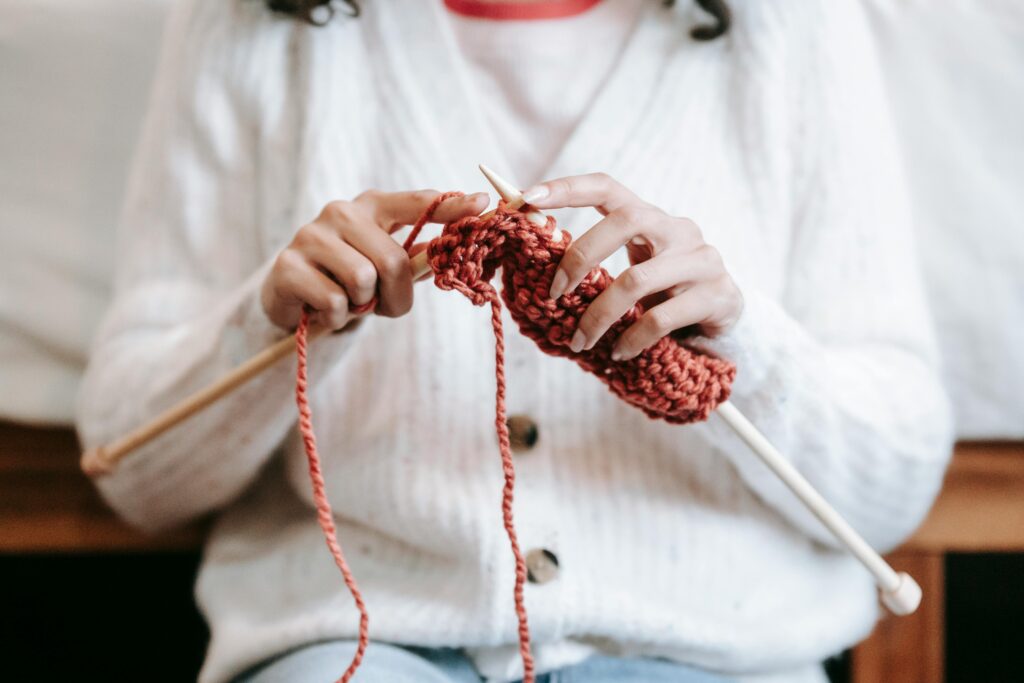
Knitting Needles: Come in straight, circular, and double-pointed varieties, made from materials like wood, bamboo, metal, and plastic.
Notions: Including stitch markers, tapestry needles, row counters, scissors, and blocking tools.
Embroidery Floss: Used for adding embellishments, embroidery, or surface crochet to projects.
Buttons, Beads, and Charms: Embellishments added to finished items for decoration or functionality.
These materials offer a diverse range of options for knitters and crocheters to explore and create beautiful and functional projects.
Getting Started with Knitting and Crochet
If you’re eager to dive into the world of knitting and crochet, here are some tips to help you get started:
Gather Supplies: Invest in a pair of knitting needles or a crochet hook, along with some yarn in a color and weight of your choice. Consider starting with a basic, medium-weight yarn in a light color for ease of handling.
Learn the Basics: Familiarize yourself with basic knitting and crochet stitches, such as the knit stitch, purl stitch, single crochet, and double crochet. There are countless online tutorials, books, and instructional videos available to help you master the fundamentals.
Start Small: Begin with simple projects, such as scarves, dishcloths, or coasters, to practice your skills and build confidence. As you gain experience, you can gradually tackle more complex patterns and techniques.
Join a Community: Seek out local knitting or crochet groups in your area or connect with fellow crafters online through social media platforms, forums, or virtual meetups. Sharing your progress, asking for advice, and receiving encouragement from others can be incredibly motivating and inspiring.
Practice Patience: Remember that knitting and crochet are skills that require patience, practice, and perseverance to master. Be patient with yourself as you learn and don’t be discouraged by mistakes—every stitch is an opportunity to learn and grow as a crafter.
Whether you’re drawn to the rhythmic clicking of knitting needles or the soothing motion of a crochet hook, there’s something magical about the art of creating with yarn. So pick up your needles or hook, choose a skein of yarn that speaks to you, and let your creativity soar as you embark on your own knitting or crochet adventure.
Elisha Valentine is a Wellness Coach, Creative Strategist, and Harmony Dynamics, LLC Founder. She loves to help support you in your journey of optimizing your well-being and enhancing your overall quality of life. ❤️