
Coaching, Self-Development, Wellness
We’ve all been there – faced with a daunting task or uncomfortable subject, our natural inclination is often to avoid it altogether. Whether it’s procrastinating on a difficult project or dodging thoughts about a painful experience, avoidance can seem like the path of least resistance. But while it may provide temporary relief, the long-term consequences of avoidance can be far more damaging than the discomfort it seeks to alleviate.
Avoidance comes in many forms, from procrastination and distraction to outright denial. But regardless of how it manifests, the underlying mechanism is the same: the desire to escape or avoid feelings of discomfort, anxiety, or fear. However, what begins as a coping mechanism can quickly spiral into a cycle of increased stress and decreased resilience.
When we avoid confronting difficult tasks or uncomfortable emotions, we miss out on valuable opportunities for growth and learning. Instead of building resilience and coping skills, we remain stuck in a state of avoidance, perpetuating our feelings of anxiety and stress.
So, how can we break free from the cycle of avoidance and cultivate a mindset of resilience and courage? Here are some strategies to consider:
- Acknowledge Your Feelings: The first step in confronting avoidance is acknowledging and accepting your feelings, no matter how uncomfortable they may be. Recognize that avoidance is a natural response to stress and fear but is not a productive or sustainable solution.
- Identify Triggers: Pay attention to the situations or thoughts that trigger your avoidance behavior. Is it a specific task, topic, or emotion? By identifying your triggers, you can better understand the root cause of your avoidance and develop strategies to address it.
- Break Tasks into Manageable Steps: Overwhelming tasks are often a primary driver of avoidance. Break large tasks into smaller, more manageable steps and tackle them individually. This makes the task feel more achievable and reduces feelings of overwhelm and anxiety.
- Practice Mindfulness: Mindfulness techniques can help you stay present and engaged with uncomfortable thoughts and emotions without judgment or avoidance. Whether through meditation, deep breathing, or simply bringing awareness to the present moment, mindfulness can help you build resilience in the face of adversity.
- Seek Support: Don’t be afraid to reach out for support from friends, family, or a professional counselor. Talking about your feelings and experiences with others can provide valuable perspective and help you navigate difficult emotions more effectively.
- Celebrate Progress: Celebrate small victories along the way, no matter how minor they may seem. Each step forward, no matter how small, is a testament to your resilience and courage.
By confronting avoidance head-on and embracing discomfort as an opportunity for growth, you can cultivate greater resilience and build the skills necessary to navigate life’s challenges with courage and grace. Remember, avoidance may provide temporary relief, but true resilience comes from facing challenges with honesty, vulnerability, and determination.
Coaching, Creative, Entrepreneurs, Self-Development
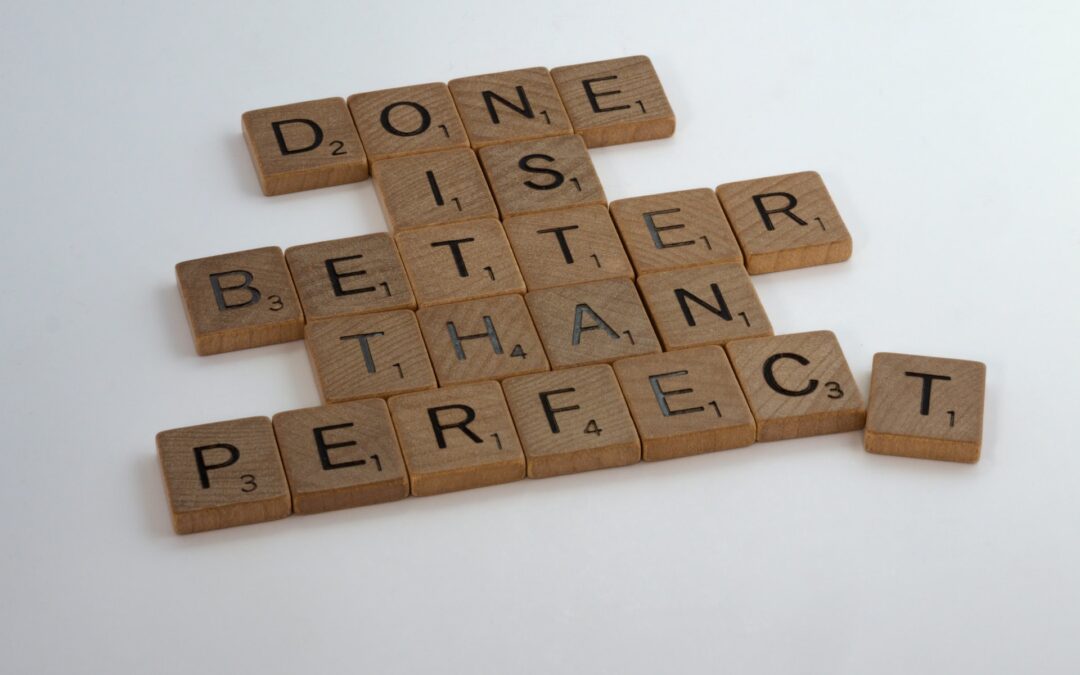
Do you ever find yourself walking past the hallway of forgotten projects in your home? Perhaps it’s a stack of half-completed DIY endeavors or a collection of abandoned hobbies gathering dust in a corner. Or maybe you’ve mastered the art of stuffing unfinished projects into closets, out of sight and out of mind.
Whatever the case may be, the truth is that leaving a trail of unfinished projects can have more consequences than just cluttering up your space. In fact, this habit could impact you in several ways you might not even realize.
- Loss of Motivation: Each unfinished project represents a missed opportunity and can chip away at your motivation over time. The more projects you leave incomplete, the harder it becomes to muster the enthusiasm to start something new.
- Feelings of Guilt and Shame: Every unfinished project reminds you of your perceived failure to follow through. This can lead to feelings of guilt and shame, further dampening your motivation and self-esteem.
- Wasted Time and Resources: Unfinished projects often require an investment of time, money, and energy. These resources go to waste when left incomplete, leaving you with little to show for your efforts.
- Missed Opportunities for Growth: Completing projects provides valuable learning and personal growth opportunities. When you consistently leave things unfinished, you miss out on the chance to develop new skills, overcome challenges, and achieve your goals.
So how can you break free from the cycle of unfinished projects and regain control of your time and energy? Here are some strategies to help you get started:
- Set Realistic Goals: Be honest about what you can accomplish within a given timeframe. Set smaller, achievable goals that you can tackle one step at a time.
- Prioritize Your Projects: Not all projects are created equal. Identify the projects that align most closely with your values, interests, and long-term goals, and focus your efforts on completing them first.
- Break it Down: Large projects can feel overwhelming, making it easy to procrastinate or abandon them altogether. Break big projects into smaller, more manageable tasks and tackle them one at a time.
- Establish Accountability: Share your goals with a friend, family member, or mentor who can hold you accountable and encourage you. Accountability can help keep you motivated and focused on your objectives.
- Celebrate Progress: Acknowledge and celebrate your achievements, no matter how small. Take pride in each step forward and use it as motivation to keep moving towards your goals.
- Learn from Setbacks: It’s natural to encounter setbacks and obstacles along the way. Instead of viewing them as failures, see them as opportunities to learn and grow. Reflect on what went wrong and adjust your approach accordingly.
By adopting these strategies and making a conscious effort to finish what you start, you can break free from the cycle of unfinished projects and reclaim your sense of accomplishment and satisfaction. Remember, every completed project is a step closer to realizing your full potential and living a more fulfilling life. So why wait? Start finishing what you start today!

Entrepreneurs, Nutrition, Self-Care
If you’re a business owner working from home, you probably have easy access to all sorts of foods. From the pantry to your desk drawer, it’s easy to keep treats on hand when you work for yourself. It can be tempting to indulge your sweet tooth between meals or eat several servings of your favorite salty snacks in the afternoons.
But to keep your energy level up throughout the day, you must choose healthy snacks. Healthy snacks are easier for your body to digest and can help you stay productive. These are the best foods to reach for when you start feeling hungry and need a quick snack.
Green Smoothies
Smoothies are an excellent way to get more fruits and vegetables in your diet. Not only will a smoothie nourish your body, but it’s also a good source of vitamins and minerals. But read the labels for the green smoothies on store shelves. Some of them have added sugars or other ingredients that aren’t as healthy for you. Try to compare two or three brands to find the smoothies that taste the best and are the most nutritious.
Soups with Legumes
Legumes are vegetables encased in a pod or shell, like green beans and peas. They are rich in fiber, which prevents blood sugar spikes. When it comes to soups, it’s best to go homemade if possible. But if you decide to purchase ready-made soup, try to look for a low-sodium option since sodium is a preservative abundant in processed foods.
A Healthy Chocolate Fix
Maybe it’s been one of “those kinds of days,” and you really just need a quick chocolate fix. Instead of reaching for your favorite brand of chocolate, try a healthier alternative, like a dark chocolate banana smoothie. You can find dark chocolate brands that are vegan, or you can use cocoa powder instead. You still get the taste of chocolate but also the health benefits of a banana.
Fruit and Plant-Based Yogurt
Indulge your sweet tooth with a bit of fruit and plant-based yogurt. These yogurts are usually made from nut milks or oat milk, and they may also be a good source of plant-based protein. You might be tempted to grab a yogurt from the store shelf that already contains fruit. But that type of yogurt is likely to have added preservatives and extra sugar. That’s why it’s best to opt for plain plant-based yogurt and mix in your own fresh fruits.
Running a business isn’t always easy, but eating healthy should be. You don’t have to make everything from scratch. Just remember to compare labels on different products to ensure you’re picking the most nutritious ones.
Make your healthy snacks easy to reach for. Store the ingredients you need for a smoothie next to your blender. Precut your vegetables so you can grab a serving and mix in some yogurt. In order to stay productive, you need to give your body healthy foods.
Journal Your Thoughts
1. What snacks do you reach for when you want a treat?
2. How do you feel about your current eating habits? What could you do to improve them?
3. Do you keep healthy foods on hand? Why or why not?
In conclusion, eating healthy snacks is essential to maintaining sustained energy levels throughout the day. With easier digestion and a positive impact on productivity, these nourishing options are optimal choices when hunger strikes and a quick snack is needed.
Coaching, Entrepreneurs, Self-Care
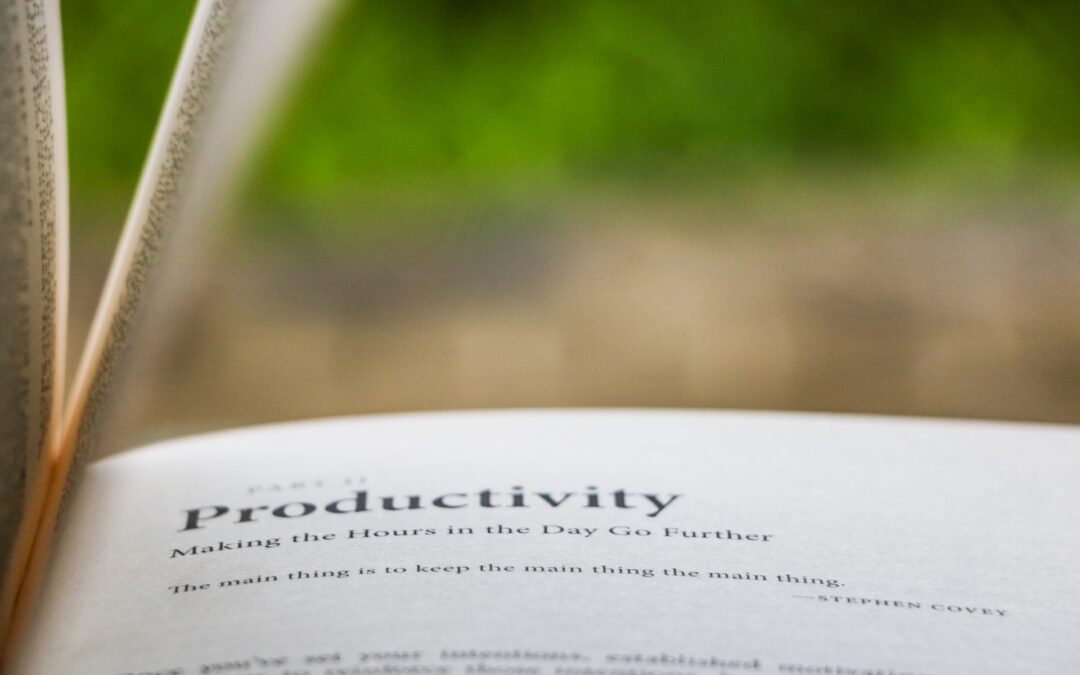
Running your own business is no small feat. With a never-ending to-do list and a constant stream of tasks vying for your attention, it’s easy to get caught up in the hustle and bustle of entrepreneurship. But what happens when you hit a roadblock and find yourself struggling to maintain your usual work rhythm? Instead of pushing through the fog of distraction and fatigue, it may be time to pause and listen to what your body is trying to tell you.
Here are some common signs that it’s time to check in with yourself and some simple fixes to help you get back on track:
- Difficulty Focusing: If you find yourself struggling to concentrate on your tasks or feeling easily distracted, it could be a sign that your brain needs a break. Take a few moments to step away from your work, practice deep breathing or mindfulness exercises, or go for a short walk to clear your mind and refresh your focus.
- Headaches or Dizziness: Headaches and dizziness can be indicators of stress, dehydration, or eye strain. Make sure you’re staying hydrated throughout the day by drinking plenty of water, take regular breaks to rest your eyes if you’re staring at a screen for long periods, and practice relaxation techniques to alleviate tension and stress.
- Fatigue: Feeling tired or fatigued can be a result of various factors, including poor sleep, overexertion, or lack of physical activity. Ensure you’re getting enough restful sleep each night, incorporate regular exercise into your routine to boost energy levels, and consider taking short power naps during the day to recharge when needed.
- Feeling Overwhelmed: If you’re feeling overwhelmed by the sheer volume of tasks on your plate, it’s essential to prioritize and delegate where possible. Break down larger projects into smaller, more manageable tasks, and focus on completing one task at a time to avoid feeling overwhelmed.
- Loss of Motivation: A loss of motivation can be a sign of burnout or lack of alignment with your goals and values. Take some time to reflect on what’s driving you and reconnect with your passion and purpose. Set small, achievable goals to regain momentum and celebrate your progress along the way.
Remember, productivity is not just about pushing through exhaustion and burnout; it’s also about listening to your body’s signals and taking care of your physical and mental well-being. By checking in with yourself regularly and addressing any signs of fatigue or distraction, you can maintain a healthy work-life balance and sustain long-term success in your business endeavors. So the next time you find yourself struggling to focus or feeling overwhelmed, take a moment to pause, breathe, and listen to what your body needs.