
Coaching, Self-Development, Wellness
We’ve all been there – faced with a daunting task or uncomfortable subject, our natural inclination is often to avoid it altogether. Whether it’s procrastinating on a difficult project or dodging thoughts about a painful experience, avoidance can seem like the path of least resistance. But while it may provide temporary relief, the long-term consequences of avoidance can be far more damaging than the discomfort it seeks to alleviate.
Avoidance comes in many forms, from procrastination and distraction to outright denial. But regardless of how it manifests, the underlying mechanism is the same: the desire to escape or avoid feelings of discomfort, anxiety, or fear. However, what begins as a coping mechanism can quickly spiral into a cycle of increased stress and decreased resilience.
When we avoid confronting difficult tasks or uncomfortable emotions, we miss out on valuable opportunities for growth and learning. Instead of building resilience and coping skills, we remain stuck in a state of avoidance, perpetuating our feelings of anxiety and stress.
So, how can we break free from the cycle of avoidance and cultivate a mindset of resilience and courage? Here are some strategies to consider:
- Acknowledge Your Feelings: The first step in confronting avoidance is acknowledging and accepting your feelings, no matter how uncomfortable they may be. Recognize that avoidance is a natural response to stress and fear but is not a productive or sustainable solution.
- Identify Triggers: Pay attention to the situations or thoughts that trigger your avoidance behavior. Is it a specific task, topic, or emotion? By identifying your triggers, you can better understand the root cause of your avoidance and develop strategies to address it.
- Break Tasks into Manageable Steps: Overwhelming tasks are often a primary driver of avoidance. Break large tasks into smaller, more manageable steps and tackle them individually. This makes the task feel more achievable and reduces feelings of overwhelm and anxiety.
- Practice Mindfulness: Mindfulness techniques can help you stay present and engaged with uncomfortable thoughts and emotions without judgment or avoidance. Whether through meditation, deep breathing, or simply bringing awareness to the present moment, mindfulness can help you build resilience in the face of adversity.
- Seek Support: Don’t be afraid to reach out for support from friends, family, or a professional counselor. Talking about your feelings and experiences with others can provide valuable perspective and help you navigate difficult emotions more effectively.
- Celebrate Progress: Celebrate small victories along the way, no matter how minor they may seem. Each step forward, no matter how small, is a testament to your resilience and courage.
By confronting avoidance head-on and embracing discomfort as an opportunity for growth, you can cultivate greater resilience and build the skills necessary to navigate life’s challenges with courage and grace. Remember, avoidance may provide temporary relief, but true resilience comes from facing challenges with honesty, vulnerability, and determination.
Coaching, Creative, Entrepreneurs, Self-Development
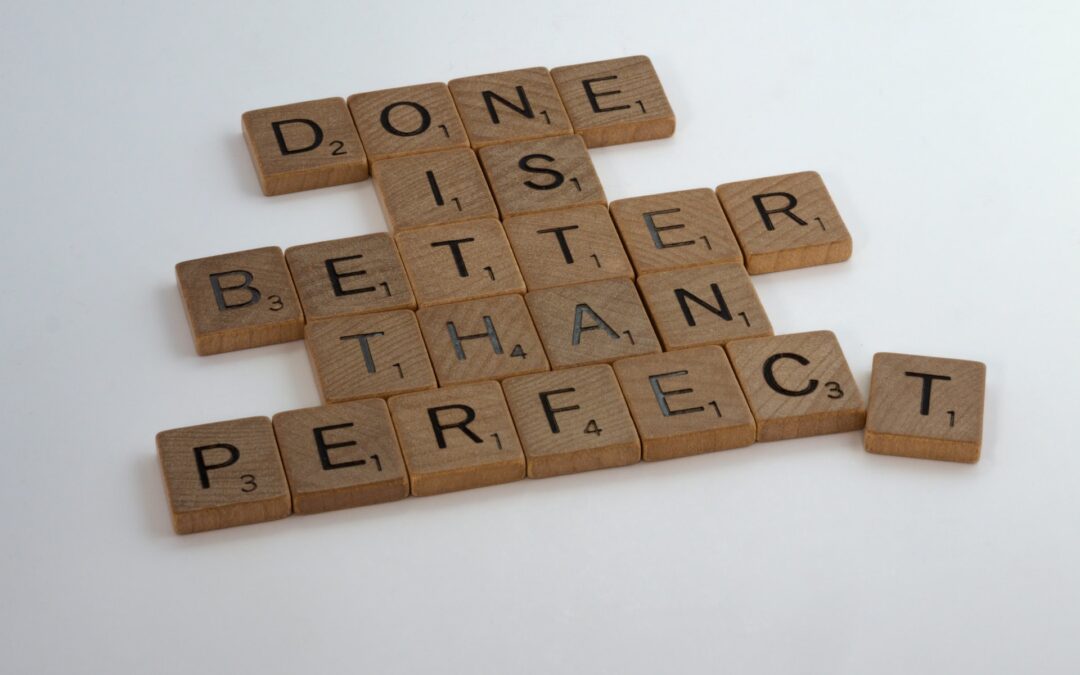
Do you ever find yourself walking past the hallway of forgotten projects in your home? Perhaps it’s a stack of half-completed DIY endeavors or a collection of abandoned hobbies gathering dust in a corner. Or maybe you’ve mastered the art of stuffing unfinished projects into closets, out of sight and out of mind.
Whatever the case may be, the truth is that leaving a trail of unfinished projects can have more consequences than just cluttering up your space. In fact, this habit could impact you in several ways you might not even realize.
- Loss of Motivation: Each unfinished project represents a missed opportunity and can chip away at your motivation over time. The more projects you leave incomplete, the harder it becomes to muster the enthusiasm to start something new.
- Feelings of Guilt and Shame: Every unfinished project reminds you of your perceived failure to follow through. This can lead to feelings of guilt and shame, further dampening your motivation and self-esteem.
- Wasted Time and Resources: Unfinished projects often require an investment of time, money, and energy. These resources go to waste when left incomplete, leaving you with little to show for your efforts.
- Missed Opportunities for Growth: Completing projects provides valuable learning and personal growth opportunities. When you consistently leave things unfinished, you miss out on the chance to develop new skills, overcome challenges, and achieve your goals.
So how can you break free from the cycle of unfinished projects and regain control of your time and energy? Here are some strategies to help you get started:
- Set Realistic Goals: Be honest about what you can accomplish within a given timeframe. Set smaller, achievable goals that you can tackle one step at a time.
- Prioritize Your Projects: Not all projects are created equal. Identify the projects that align most closely with your values, interests, and long-term goals, and focus your efforts on completing them first.
- Break it Down: Large projects can feel overwhelming, making it easy to procrastinate or abandon them altogether. Break big projects into smaller, more manageable tasks and tackle them one at a time.
- Establish Accountability: Share your goals with a friend, family member, or mentor who can hold you accountable and encourage you. Accountability can help keep you motivated and focused on your objectives.
- Celebrate Progress: Acknowledge and celebrate your achievements, no matter how small. Take pride in each step forward and use it as motivation to keep moving towards your goals.
- Learn from Setbacks: It’s natural to encounter setbacks and obstacles along the way. Instead of viewing them as failures, see them as opportunities to learn and grow. Reflect on what went wrong and adjust your approach accordingly.
By adopting these strategies and making a conscious effort to finish what you start, you can break free from the cycle of unfinished projects and reclaim your sense of accomplishment and satisfaction. Remember, every completed project is a step closer to realizing your full potential and living a more fulfilling life. So why wait? Start finishing what you start today!

Coaching, Entrepreneurs, Self-Care
Running your own business is no small feat. With a never-ending to-do list and a constant stream of tasks vying for your attention, it’s easy to get caught up in the hustle and bustle of entrepreneurship. But what happens when you hit a roadblock and find yourself struggling to maintain your usual work rhythm? Instead of pushing through the fog of distraction and fatigue, it may be time to pause and listen to what your body is trying to tell you.
Here are some common signs that it’s time to check in with yourself and some simple fixes to help you get back on track:
- Difficulty Focusing: If you find yourself struggling to concentrate on your tasks or feeling easily distracted, it could be a sign that your brain needs a break. Take a few moments to step away from your work, practice deep breathing or mindfulness exercises, or go for a short walk to clear your mind and refresh your focus.
- Headaches or Dizziness: Headaches and dizziness can be indicators of stress, dehydration, or eye strain. Make sure you’re staying hydrated throughout the day by drinking plenty of water, take regular breaks to rest your eyes if you’re staring at a screen for long periods, and practice relaxation techniques to alleviate tension and stress.
- Fatigue: Feeling tired or fatigued can be a result of various factors, including poor sleep, overexertion, or lack of physical activity. Ensure you’re getting enough restful sleep each night, incorporate regular exercise into your routine to boost energy levels, and consider taking short power naps during the day to recharge when needed.
- Feeling Overwhelmed: If you’re feeling overwhelmed by the sheer volume of tasks on your plate, it’s essential to prioritize and delegate where possible. Break down larger projects into smaller, more manageable tasks, and focus on completing one task at a time to avoid feeling overwhelmed.
- Loss of Motivation: A loss of motivation can be a sign of burnout or lack of alignment with your goals and values. Take some time to reflect on what’s driving you and reconnect with your passion and purpose. Set small, achievable goals to regain momentum and celebrate your progress along the way.
Remember, productivity is not just about pushing through exhaustion and burnout; it’s also about listening to your body’s signals and taking care of your physical and mental well-being. By checking in with yourself regularly and addressing any signs of fatigue or distraction, you can maintain a healthy work-life balance and sustain long-term success in your business endeavors. So the next time you find yourself struggling to focus or feeling overwhelmed, take a moment to pause, breathe, and listen to what your body needs.

Coaching, Entrepreneurs, Self-Development
When you hear the word “debate,” what comes to mind? Perhaps you envision a group of students passionately arguing their points in a high school auditorium, or maybe you think of televised political debates during election season. While debating is often associated with structured competitions or formal settings, the art of arguing – or presenting and defending opinions – is a fundamental aspect of everyday life. Whether it’s discussing politics with friends, negotiating with coworkers, or persuading family members, effective communication and critical thinking skills are essential for success in various aspects of life.
Here are several reasons why debating, or arguing, is an important life skill:
- Critical Thinking: Engaging in debate requires participants to think critically and analyze information from multiple perspectives. By examining evidence, evaluating arguments, and anticipating counterpoints, individuals develop sharper critical thinking skills that are invaluable in decision-making and problem-solving situations.
- Effective Communication: Debating hones communication skills, including the ability to articulate ideas clearly and persuasively. Whether speaking to a small group or presenting to a larger audience, effective communication is essential for conveying thoughts and opinions in a compelling manner.
- Conflict Resolution: Arguments and disagreements are inevitable in any interpersonal relationship or group setting. Learning how to navigate conflicts constructively through debate can lead to more productive resolutions and healthier relationships. By listening actively, expressing viewpoints respectfully, and seeking common ground, individuals can resolve conflicts amicably and foster positive outcomes.
- Understanding Different Perspectives: Debating exposes individuals to diverse viewpoints and encourages empathy and understanding. By engaging with people who hold different opinions, individuals broaden their perspectives, challenge their assumptions, and develop greater tolerance and empathy for others’ experiences and beliefs.
- Building Confidence: Successfully participating in debates boosts confidence and self-assurance. Whether presenting a persuasive argument or defending a position under scrutiny, individuals gain a sense of accomplishment and empowerment from effectively communicating their ideas and opinions.
- Advocacy and Influence: Debating empowers individuals to advocate for causes they believe in and effect positive change in their communities. By mastering the art of persuasion and public speaking, individuals can mobilize support, influence decision-makers, and drive meaningful social and political change.
Debating – or arguing – is far more than just a school activity or a means of competition. It is a vital life skill that fosters critical thinking, effective communication, conflict resolution, empathy, confidence, and advocacy. By honing these skills, individuals can navigate the complexities of the modern world with clarity, conviction, and influence. So whether you find yourself in a formal debate setting or a casual conversation with friends, embrace the opportunity to engage in meaningful dialogue and sharpen your ability to argue persuasively and thoughtfully.

Coaching, Self-Development
Negotiation – the word itself can evoke images of intense confrontation, with adversaries locked in a battle of wills, each striving to emerge victorious. In the Western world, the perception of negotiation often carries negative connotations, fueled by depictions in popular media and stereotypes of aggressive, cutthroat tactics. However, the reality of negotiation is far more nuanced and, when done right, can lead to mutually beneficial outcomes for all parties involved.
At its core, negotiation is about finding common ground and reaching agreements that satisfy the interests and needs of both parties. Rather than viewing negotiation as a zero-sum game where one side wins at the expense of the other, the goal is to achieve a win-win outcome where both parties feel valued and their objectives are met.
To dispel some of the misconceptions surrounding negotiation, let’s address a few key points:
- Negotiation is Not a Battle: Contrary to popular belief, negotiation is not about overpowering or outmaneuvering the other party. Instead, it’s about collaboration and problem-solving. Successful negotiators approach discussions with an open mind and a willingness to listen and understand the perspectives of others.
- Effective Communication is Key: Clear and open communication is essential for successful negotiation. It’s not about shouting matches or aggressive tactics but rather about expressing your needs and interests respectfully and assertively. Active listening is equally important, as it allows both parties to fully understand each other’s concerns and find common ground.
- Focus on Interests, Not Positions: One of the most common mistakes in negotiation is focusing solely on positions rather than underlying interests. True negotiation involves digging deeper to uncover the underlying needs and motivations driving each party’s stance. By understanding these interests, negotiators can find creative solutions that address everyone’s concerns.
- Compromise is Not a Sign of Weakness: In negotiation, compromise is not a sign of weakness but rather a demonstration of flexibility and willingness to collaborate. It’s about finding middle ground and making concessions where necessary to achieve a mutually beneficial outcome. Negotiators who refuse to compromise often find themselves at an impasse, unable to move forward.
- Building Relationships Leads to Long-Term Success: Successful negotiation is not just about reaching an agreement; it’s also about building and maintaining positive relationships. Trust and rapport between parties are essential for effective collaboration and future opportunities for cooperation. By prioritizing relationship-building, negotiators lay the foundation for long-term success.
In conclusion, negotiation is a skill that can lead to positive outcomes for all parties involved when approached with the right mindset and strategies. Negotiators can foster cooperation, build relationships, and achieve mutually beneficial agreements by dispelling common misconceptions and embracing a win-win mentality. So the next time you find yourself in a negotiation, remember that it’s not about winning or losing – it’s about finding common ground and creating value for everyone.