
Self-Care, Wellness
Why Napping Matters
In today’s fast-paced world, where busyness is often glorified and productivity is prioritized, the importance of rest and relaxation cannot be overstated. Napping provides an opportunity to recharge and reset, allowing our bodies and minds to recover from the demands of daily life and perform at their best. Here are some reasons why napping is so important:
- Improved Cognitive Function: Napping has been shown to enhance cognitive function, memory consolidation, and problem-solving skills, leading to improved focus, creativity, and productivity.
- Increased Alertness and Energy: Taking a nap can help combat feelings of fatigue, drowsiness, and lethargy, providing a natural energy boost to help you power through the rest of your day.
- Stress Reduction: Napping has a calming and stress-relieving effect on the body, lowering levels of cortisol (the stress hormone) and promoting relaxation and emotional well-being.
- Enhanced Mood: Napping can lift your spirits and improve your mood, reducing feelings of irritability, frustration, and overwhelm, and promoting a sense of tranquility and contentment.
- Physical Recovery: Napping allows your body to rest and recover from physical exertion, promoting muscle repair, tissue regeneration, and overall physical health and vitality.
Different Types of Naps
Not all naps are created equal, and different types of naps serve different purposes depending on your needs and preferences. Here are some common types of naps:
- Power Nap: A short nap lasting 10-20 minutes, ideal for boosting alertness, focus, and energy without entering deeper stages of sleep.
- Catnap: A brief nap lasting 5-10 minutes, often taken sitting upright, and designed to provide a quick refreshment without disrupting your daily routine.
- Nappuccino: A combination of a caffeine boost (typically in the form of coffee or tea) followed by a short nap, designed to maximize alertness and productivity by leveraging the benefits of both caffeine and sleep.
- Recovery Nap: A longer nap lasting 30-90 minutes, intended to promote deeper relaxation, rejuvenation, and physical recovery, while also allowing for memory consolidation and cognitive refreshment.
Incorporating Naps into Your Self-Care Routine
Integrating naps into your self-care routine can be a powerful way to prioritize your health, happiness, and overall well-being. Here are some tips for making the most of your naptime:
- Schedule Regular Naptimes: Set aside time in your daily schedule for napping, ideally during the mid-afternoon slump or whenever you feel your energy levels starting to dip.
- Create a Relaxing Environment: Find a quiet, comfortable, and dimly lit space where you can nap undisturbed, whether it’s a cozy corner of your home, a comfortable chair, or a serene outdoor spot.
- Set the Scene: Create a relaxing atmosphere by dimming the lights, playing soothing music or nature sounds, and using aromatherapy techniques like lavender or chamomile to promote relaxation and sleep.
- Practice Nap Hygiene: Establish a pre-nap routine to signal to your body that it’s time to wind down, such as practicing deep breathing exercises, stretching, or taking a warm bath to relax your muscles and calm your mind.
- Limit Nap Duration: Keep your naps short and sweet to avoid disrupting your nighttime sleep schedule and experiencing grogginess or sleep inertia upon waking. Aim for 10-30 minutes for a quick pick-me-up or up to 90 minutes for a deeper rejuvenation.
By embracing the art of napping and incorporating regular naps into your self-care routine, you can experience a multitude of benefits for your physical, mental, and emotional well-being. So go ahead and give yourself permission to rest, recharge, and indulge in the blissful embrace of a nap.

Nature, Wellness
“As I ascended the winding trail, the dense canopy of towering trees gradually gave way to a breathtaking vista. Before me stretched a panorama of rolling hills cloaked in a patchwork of vibrant greens and dotted with colorful wildflowers. Sunlight danced through the leaves, casting dappled shadows on the forest floor below. A gentle breeze whispered through the branches, carrying the sweet scent of pine and earth. In the distance, majestic mountains rose to meet the sky, their peaks crowned with wisps of swirling mist. As I stood amidst this serene tableau, surrounded by the symphony of nature, I couldn’t help but feel a sense of awe and gratitude for the beauty of the world around me.”
The Health Benefits of Hiking
Hiking isn’t just a walk in the park—it’s a powerful form of exercise that can boost your physical fitness, mental well-being, and overall quality of life. Here are some of the many benefits of hitting the trails:
- Cardiovascular Health: Hiking gets your heart pumping and your blood flowing, improving cardiovascular health, lowering blood pressure, and reducing the risk of heart disease and stroke.
- Strength and Endurance: Trekking over varied terrain helps build strength and endurance in your muscles, particularly in your legs, core, and glutes, while also improving balance and coordination.
- Weight Management: Hiking burns calories and helps control weight by increasing metabolism and promoting fat loss, making it an effective exercise for maintaining a healthy body weight.
- Mental Health: Spending time in nature has been shown to reduce stress, anxiety, and depression, while boosting mood, self-esteem, and overall mental well-being. Hiking offers a welcome escape from the pressures of daily life, providing a sense of peace, tranquility, and connection to the natural world.
- Social Connection: Hiking with friends, family, or hiking groups provides an opportunity to connect with others, share experiences, and build relationships while enjoying the beauty of the outdoors together.
Popular Hiking Spots
From rugged mountain peaks to lush forests and scenic coastlines, the world is full of breathtaking hiking destinations waiting to be explored. Here are just a few popular hiking spots to add to your bucket list:
- Grand Canyon National Park, USA: Explore the awe-inspiring landscapes of the Grand Canyon on trails like the South Kaibab Trail or the Bright Angel Trail, offering unparalleled views of this natural wonder.
- Cinque Terre, Italy: Embark on the stunning coastal trails of the Cinque Terre, a UNESCO World Heritage Site known for its picturesque villages, terraced vineyards, and panoramic vistas of the Ligurian Sea.
- Torres del Paine National Park, Chile: Discover the dramatic beauty of Patagonia on the trekking routes of Torres del Paine, where towering granite peaks, turquoise lakes, and pristine wilderness await.
- Mount Kilimanjaro, Tanzania: Summit Africa’s tallest peak on the Mount Kilimanjaro trek, traversing diverse ecosystems from lush rainforests to alpine meadows before reaching the iconic Uhuru Peak.
- Great Wall of China, China: Walk along the ancient ramparts of the Great Wall of China, traversing historic watchtowers, steep staircases, and rugged terrain while soaking in centuries of history and culture.
Essential Gear for Hiking
Before you hit the trails, it’s important to be prepared with the right gear to ensure a safe and enjoyable hiking experience. Here are some essential items to consider:
- Footwear: Invest in a sturdy pair of hiking boots or trail shoes with good traction and ankle support to protect your feet and provide stability on uneven terrain.
- Apparel: Dress in moisture-wicking and breathable clothing layers to regulate body temperature and stay comfortable throughout your hike. Don’t forget essentials like a hat, sunglasses, and sunscreen for sun protection.
- Backpack: Choose a lightweight and durable backpack to carry your gear, snacks, water, and other essentials. Look for features like padded shoulder straps, a hip belt, and multiple compartments for organization.
- Hydration: Stay hydrated on the trail by carrying a water bottle or hydration reservoir, and consider bringing a portable water filter or purification tablets for refilling from natural water sources.
- Navigation: Carry a map, compass, or GPS device to navigate trails and stay on course, especially in remote or unfamiliar terrain. Download trail maps and offline navigation apps to your smartphone as a backup.
How to Get Started with Hiking
Ready to lace up your boots and hit the trails? Here are some tips to help you get started on your hiking journey:
- Start Small: Begin with shorter, less challenging hikes on well-marked trails to build stamina and confidence before tackling longer or more difficult routes.
- Research Trails: Research hiking trails in your area or destination, considering factors like distance, elevation gain, terrain difficulty, and trail conditions. Look for trail guides, maps, and online resources for information and recommendations.
- Check Weather Conditions: Check the weather forecast before heading out, and be prepared for changing conditions by dressing in layers and bringing rain gear or extra clothing as needed.
- Hike Responsibly: Respect wildlife and nature, stay on designated trails, pack out all trash, and follow Leave No Trace principles to minimize your impact on the environment and preserve natural habitats for future generations.
- Share Your Adventure: Take photos, journal about your experiences, and share your hiking adventures with friends, family, and fellow outdoor enthusiasts. Join hiking groups or online communities to connect with like-minded individuals and share tips, stories, and inspiration.
Whether you’re seeking adventure, solitude, or simply a breath of fresh air, hiking offers endless opportunities to explore the beauty of the natural world, challenge yourself, and nourish your body, mind, and soul. So grab your gear, lace up your boots, and embark on your own hiking adventure today!

Self-Care, Wellness
When it comes to productivity, we often focus solely on sharpening our mental faculties and powering through tasks with sheer determination. However, we tend to overlook the crucial role that our physical well-being plays in our ability to stay focused, motivated, and energized throughout the day. Neglecting our bodies can lead to decreased energy levels, feelings of sluggishness, and a lack of motivation to tackle our workload.
To reclaim your productivity and revitalize your body, it’s essential to prioritize self-care and implement strategies to recharge effectively. Here are five popular and effective ways to recharge your body and enhance your productivity:
- Prioritize Sleep: Adequate sleep is the foundation of a healthy body and a sharp mind. Yet, in today’s fast-paced world, sleep often takes a back seat to work and other responsibilities. Aim for 7-9 hours of quality sleep each night to allow your body to rest, repair, and recharge. Establish a consistent sleep schedule, create a relaxing bedtime routine, and optimize your sleep environment for maximum comfort and restfulness.
- Nourish Your Body: Proper nutrition is fuel for both body and mind. To maintain optimal energy levels and mental clarity, prioritize nutrient-rich foods that sustain energy throughout the day. Incorporate a balanced diet rich in fruits, vegetables, lean proteins, whole grains, and healthy fats. Stay hydrated by drinking plenty of water throughout the day and limiting your consumption of caffeine and sugary beverages, which can lead to energy crashes and dehydration.
- Move Your Body: Regular physical activity is essential for physical health and plays a crucial role in boosting mood, reducing stress, and enhancing cognitive function. Incorporate movement into your daily routine by engaging in activities you enjoy, whether it’s going for a brisk walk, practicing yoga, or hitting the gym. Aim for at least 30 minutes of moderate exercise most days of the week to reap the benefits of improved energy, focus, and productivity.
- Treat yourself to a massage: Many business owners spend a significant part of their day in front of a computer. Sitting all day like this makes it easy to overwork the muscles in your neck and shoulders. That’s why getting a shoulder or neck massage can be helpful. Besides helping your muscles, a massage is an excellent way to increase your blood circulation; getting one will make you feel more alert. It’s also helpful if you suffer from chronic pain due to a medical condition like fibromyalgia or arthritis. You can opt for a day trip to the local spa or find a massage therapist online through a website like the American Massage Therapy Association (AMTA).
- Go on a mini-retreat. A retreat is a chance to withdraw from everything around you. It gives you the space to reflect on your priorities and sort through your emotions. A mini-retreat might be just what your body needs if you’ve been experiencing a difficult time, such as the diagnosis of an illness, the loss of a loved one, or another catastrophe. Your mini retreat doesn’t have to last long. You can choose to have your own private retreat for just a few hours. Pick a place or a series of places you can go where you feel safe and comfortable. For some people, a safe place might be a library, church, or museum.
Journal Your Thoughts
- What are some warning signs that you’re about to burn out? What are some activities that will recharge you and prevent burnout?
- What’s your favorite way to re-charge?
- How often do you schedule time to recharge? How can you work ‘recharge time when you don’t get into your day?
Remember that your body is like your car in many ways. It can get you to your destination but needs regular care and maintenance to operate well.
Creative, Entrepreneurs, Self-Care, Wellness
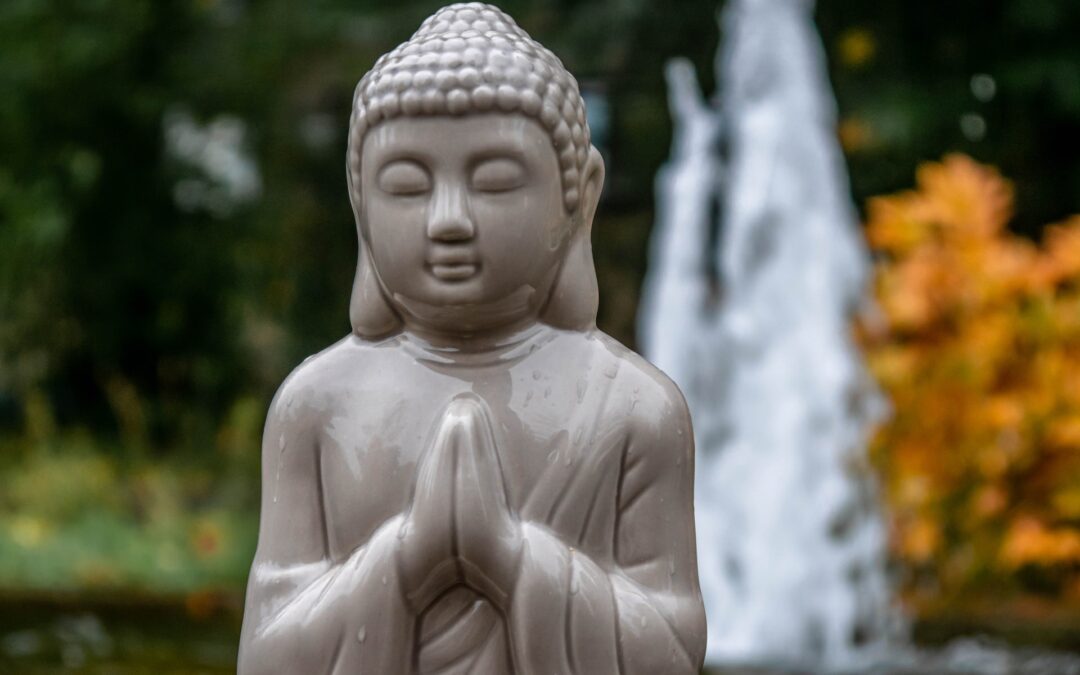
It’s difficult to stay productive when your brain is buzzing. You have so many ideas and thoughts in your head that it’s tough to focus on your to-do list. But you don’t have to let the mental noise ruin your productivity. You can quiet your brain by doing a few simple things, and then you’ll be able to return to work with focus and clarity.
Start a journal.
When your mind is buzzing, try writing down your thoughts in a journal. This exercise will help you empty your mind so your brain can focus again. Once you’ve finished with your thoughts, write about the benefits that finishing your tasks for the day will bring you. By writing about your tasks, you’ll be able to sort through and pick which ones are the most important to you.
Try coloring.
Coloring for half an hour is a great way to let go of mental clutter. Allow your thoughts to come as you focus on the design of your coloring sheet. Besides helping calm your brain, coloring also allows you to get into a creative mindset. That makes it a great activity if you’re trying to devise a solution to a problem or seeking inspiration for a project you’re working on. If you dislike coloring, you might try doodling instead. You’ll still get the same benefits as coloring.
Practice yoga.
Yoga is another great way to calm your mind. It’s effective because it lets you fully tune with your body. If other thoughts try to interrupt you, push them away and focus on your current pose. You don’t have to buy an expensive DVD to practice yoga. There are many yoga videos available for free on YouTube.
Take a walk.
Walking, even briefly, is helpful when your brain is buzzing. Not only does walking get you away from your desk, it’s also a great way to relieve stress. You can powerwalk or jog if you prefer to do it at a leisurely pace. But be choosy with your location. Busy streets can make it hard for you to focus and relax. Instead, opt for quiet streets or walk at a local park that you enjoy visiting.
Meditate.
Meditation is a quick way to calm your mind and body. Get into a comfortable position and focus on your breathing. Take slow breaths and feel your body move as you inhale and exhale. Release any conscious thoughts as they come to you. If you’re new to meditation, choosing an object or word to focus on during your session can be helpful.
Take a hot bath.
A hot bath is the perfect way to calm an overactive brain. Besides helping you relax, a warm bath can also improve circulation and ease tense muscles. After you’re finished soaking, try taking a quick shower with lukewarm or cold water. This wakes your body up and energizes you so that you’re ready to tackle the rest of your to-do list.
Journal Your Thoughts
1. When you’re overwhelmed, what helps you relax the most?
2. Do you find yourself frequently flitting from task to task without accomplishing anything? What do you think is causing this?
3. How can you create a system that lets you capture and organize your ideas?
When your brain is buzzing, don’t try to work despite it. Instead, acknowledge how you feel right now and try one of the exercises listed above. Then, you’ll be able to return to work with a focused mindset.
Entrepreneurs, Nutrition, Self-Care, Wellness
Do you feel fatigued while you’re working? Do you frequently experience headaches or dizziness while you’re building your business? Do you find yourself feeling like your brain is in a haze as you struggle to think clearly?
These symptoms might sound scary at first. But they’re often caused by a simple medical condition known as dehydration. Dehydration happens when your body doesn’t have enough fluid. As a result, you may feel tired and achy. You can experience dry mouth, headaches, and even dizziness as a result of your dehydration.
The good news is that it’s easy to fix dehydration. You just need to drink a few glasses of liquid. Water is the best choice to rehydrate your system. Other beverages like coffee and soda contain caffeine, which can further dehydrate you. That’s why you should opt for water if at all possible.
But what if you hate the taste of water?
While some people believe water has no taste, others insist that it does have a boring flavor. If that describes you, try one of these healthy options to mask your water’s flavor. You’ll still get the health benefits of drinking without the taste you dislike.
Water and Lime
Lime is a great way to add flavor to your water. This mild citrus fruit is filled with Vitamin C and cancer-fighting flavonoids. If you’re really craving a sweet taste, consider adding one teaspoon of raw honey to your lime water.
Cucumber and Apple Water
Combining cucumber and apple will give your water a sweet, refreshing taste. Cucumbers are an excellent source of several B vitamins, while apples are known to fight diseases like Type 2 diabetes and Alzheimer’s disease.
Green Tea
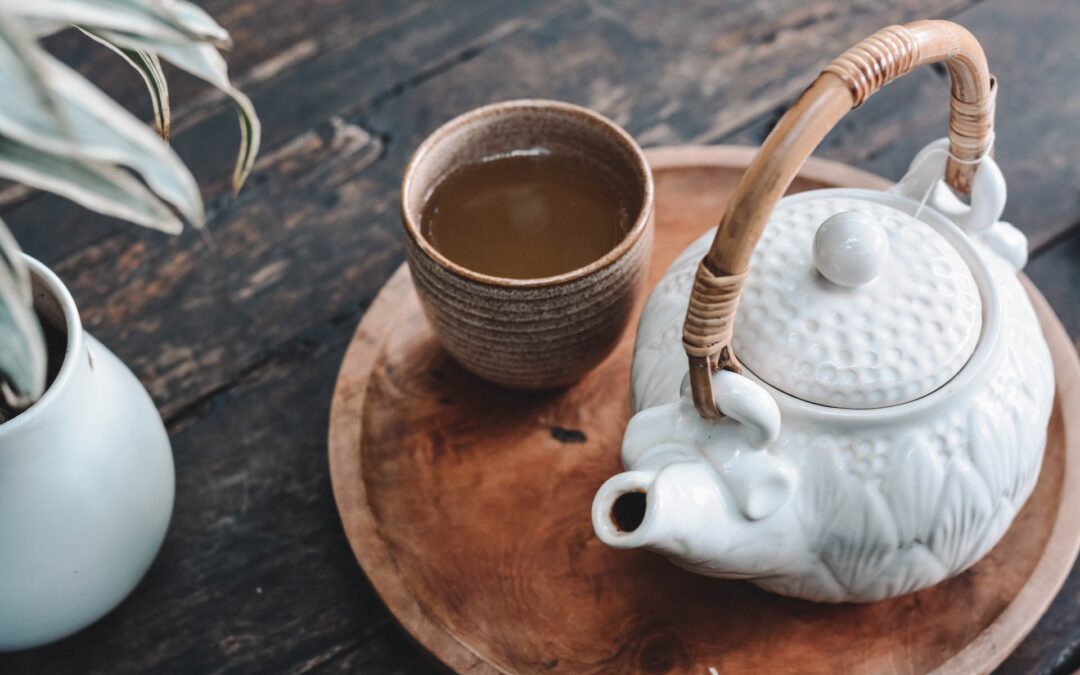
If you’re still not a fan of water after trying the natural flavors provided by nature, then opt for green tea. Not only can green tea help rehydrate your body, but scientists believe that it also helps the body burn fat naturally.
Fresh Mint Tea
Like green tea, peppermint tea boasts many health benefits. It can prevent nausea and reduce painful stomach cramps. Another advantage of peppermint tea is that it’s a natural anti-inflammatory. If you have an autoimmune disease like arthritis, drinking peppermint tea regularly may be helpful.
Journal Your Thoughts
1. Are you drinking enough regularly to prevent dehydration?
2. How can you add more water and tea into your daily routine?
3. What are some unhealthy drinking choices that you’re making? Could you replace one of these choices with a healthier alternative?
Your hydration level makes a huge difference when it comes to staying productive. If you’re poorly hydrated, you won’t feel as well, and your work may suffer. But drinking more water and tea throughout the day will help prevent this. As a result, you’ll feel energized and alert throughout the day.