Everyone encounters self-doubt from time to time—it’s a natural part of life. The key is learning how to manage those feelings in a healthy way, so they don’t hinder your progress. By addressing self-doubt head-on, you can quickly regain your confidence and stay focused on your path to success. Here are some helpful strategies for overcoming self-doubt when it arises.
1. Avoid Comparisons
One of the most common triggers for self-doubt is comparing yourself to others. It’s important to resolve, in advance, not to let this happen. Each person’s journey is unique, and comparing yourself to someone else often undermines your progress.
When you find yourself in a situation where comparisons creep in, gently remind yourself that your path is entirely your own. Reflect on how far you’ve come and the milestones you’ve achieved, rather than focusing on others. Your journey is special and cannot be measured against anyone else’s.
2. Focus on the Present, Not the Past
Self-doubt often arises when we dwell on past experiences or perceived mistakes. If you find yourself fixating on the past, remind yourself that it’s behind you. Holding onto past events can amplify self-doubt and keep you stuck.
Instead, shift your attention to the present and the future. Consider the plans you have in place and the opportunities ahead. A helpful practice is to make a list of things you are grateful for right now. Focusing on the present helps reduce doubt and cultivates a more positive mindset.
3. View Failures as Learning Opportunities
Everyone faces setbacks at some point. When failures occur, it’s natural to experience some self-doubt. However, these moments can also serve as valuable learning experiences.
Instead of dwelling on what went wrong, focus on the lessons you’ve learned. This shift in perspective can help boost your confidence and reduce the likelihood of repeating the same mistakes. Remember, every setback brings growth, and each step forward brings you closer to your goals.
4. Build a Support System
Facing self-doubt alone can be challenging. It’s essential to have a support system in place for when those negative thoughts start to surface. A strong support network can make all the difference in how you handle self-doubt.
Your support system doesn’t necessarily have to be physical. It could be a trusted friend, a mentor, or even an online community where you can share your thoughts and receive encouragement. Having someone to talk to reminds you of your strengths and helps you stay grounded during tough times.
Here are two additional strategies to help deal with self-doubt:
5. Celebrate Small Wins
Self-doubt can often overshadow your progress, making it hard to see just how far you’ve come. A powerful way to combat this is by regularly celebrating your small victories. Each achievement, no matter how minor it may seem, is a step forward. By acknowledging these wins, you remind yourself of your capabilities and build confidence over time.
Take time to reflect on what you’ve accomplished, whether it’s completing a task, reaching a personal milestone, or simply showing persistence in the face of challenges. These small successes can serve as evidence of your growth and competence, helping to silence self-doubt.
6. Practice Self-Compassion
It’s easy to be hard on yourself when self-doubt creeps in, but practicing self-compassion is crucial in overcoming these negative thoughts. Treat yourself with kindness, just as you would a friend facing the same situation. Instead of criticizing yourself for feeling unsure, recognize that everyone struggles with doubt at times—and that it doesn’t define your worth or ability.
When self-doubt arises, take a moment to pause, acknowledge your feelings, and encourage yourself. This practice of self-compassion can reduce the intensity of self-doubt and help you regain clarity and focus more quickly.
In Summary
Dealing with self-doubt isn’t always easy, but with these strategies, you’ll be well-equipped to handle it when it arises. By avoiding comparisons, letting go of the past, learning from failures, and leaning on a support system, you’ll be better prepared to overcome self-doubt. Before long, you’ll be back on track, feeling more confident and ready to pursue your dreams with renewed energy.
As the crisp air of autumn settles in and the days grow shorter, many of us find comfort in the coziness of our homes. It’s a season where warm meals take center stage, and nothing says comfort like a hearty bowl of soup or stew. Plant-based soups and stews not only offer nourishment but also a chance to highlight the bounty of fall produce. And with the right pantry staples on hand, you’ll always be ready to whip up a satisfying, warming meal when the chilly weather calls for it.
The Joy of Autumn Weather
Autumn is a magical time of transition. The air takes on a crispness, leaves transform into a vibrant tapestry of golds and reds, and the temperature encourages us to dig out our cozy sweaters and blankets. It’s the perfect season for slowing down, savoring the changes in nature, and warming up with wholesome, comforting foods.
The cooler temperatures also make it the ideal time for cooking heartier dishes that warm you from the inside out. Seasonal ingredients like pumpkins, sweet potatoes, and squash are abundant, lending themselves beautifully to rich, flavorful soups and stews. These meals not only bring comfort but are also packed with nutrients, making them perfect for staying healthy as the weather cools.
Plant-Based Soups and Stews: Nourishment in Every Bowl
Soups and stews are a staple of fall cooking, especially when packed with nourishing plant-based ingredients. Whether you’re following a plant-based diet or simply trying to incorporate more vegetables into your meals, these dishes are a great way to make the most of autumn’s bounty.
Here are a few plant-based soup and stew ideas to try this season:
1. Hearty Lentil Soup: Lentils are a fantastic base for soups, adding protein, fiber, and texture. Combine them with carrots, onions, celery, and a touch of garlic for a simple yet satisfying soup. Season with thyme, cumin, and a dash of smoked paprika for added warmth.
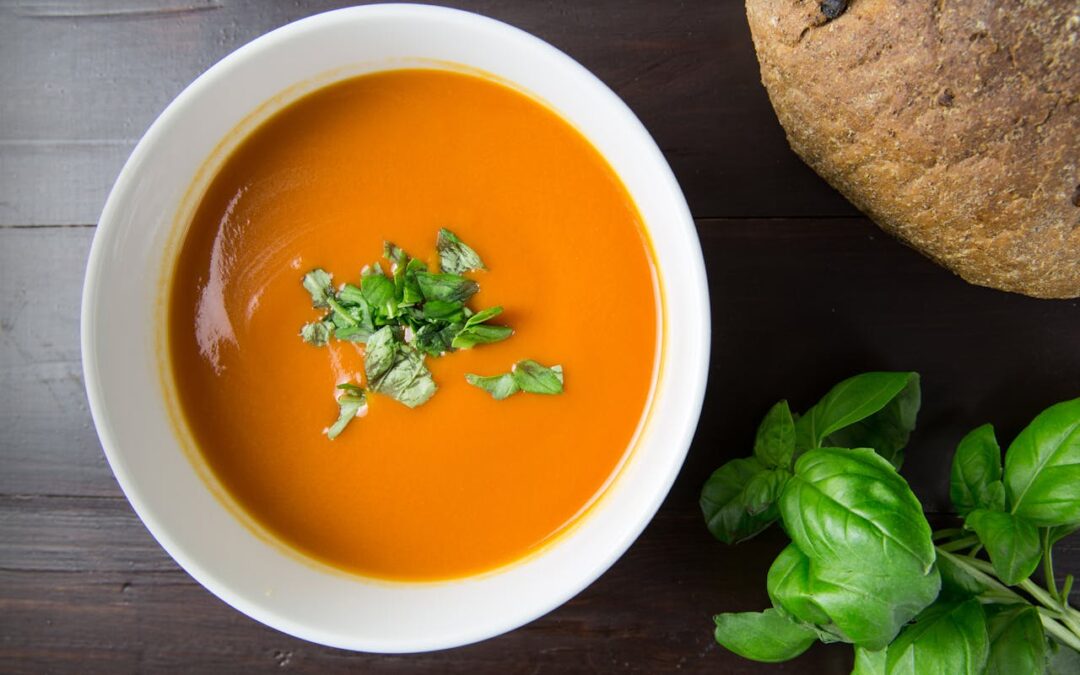
2. Creamy Pumpkin Soup: Pumpkin, with its natural sweetness and velvety texture, makes for a comforting autumn soup. Roast the pumpkin before blending it with coconut milk, ginger, and a bit of nutmeg for a creamy, dairy-free option that pairs perfectly with crusty bread.
3. Sweet Potato and Black Bean Stew: Sweet potatoes add a touch of sweetness to any dish, while black beans bring a hearty, satisfying element. Combine these with fire-roasted tomatoes, bell peppers, and chili spices for a flavorful stew that’s both warming and filling.
4. Root Vegetable and Barley Stew: Root vegetables like carrots, parsnips, and turnips are autumn essentials. When slow-cooked with pearl barley and a rich vegetable broth, they create a stew that’s as wholesome as it is delicious.
5. Mushroom and Wild Rice Soup: Mushrooms bring an earthy depth to this savory soup, while wild rice adds a satisfying bite. Add leeks, garlic, and a splash of plant-based cream to make it extra indulgent.
Pantry Staples to Keep on Hand During Colder Months
To ensure you’re always prepared to whip up a cozy meal when the temperatures drop, it’s helpful to stock your pantry with essentials that make plant-based cooking a breeze. Here are some pantry staples to consider:
1. Dried and Canned Beans: Lentils, chickpeas, black beans, and cannellini beans are protein-packed and perfect for soups and stews. Dried beans are cost-effective, but canned versions are convenient for quicker meals.
2. Whole Grains: Keep grains like quinoa, barley, farro, and brown rice in your pantry. These grains add bulk and texture to soups and stews and provide essential nutrients like fiber and B vitamins.
3. Vegetable Broth: A good-quality vegetable broth is the base for many soups and stews. You can make your own and freeze it in portions, or keep store-bought cartons on hand for convenience.
4. Canned Tomatoes: Fire-roasted or diced tomatoes are an excellent ingredient for building flavor in stews and soups. They add acidity and a bit of sweetness that balances out richer ingredients like beans and root vegetables.
5. Coconut Milk: For creamy soups without dairy, coconut milk is a must. It adds a luscious texture to curries, stews, and bisques, making them extra comforting during colder months.
6. Spices and Herbs: Warming spices like cumin, smoked paprika, cinnamon, and turmeric are autumn essentials. Dried herbs like thyme, rosemary, and bay leaves bring depth to your dishes and are perfect for slow-cooked meals.
7. Nuts and Seeds: Almonds, cashews, and sunflower seeds can be blended into creamy bases for soups or added as toppings for extra texture. Chia and flax seeds are also useful for thickening soups naturally.
8. Root Vegetables: Stock your pantry with long-lasting root vegetables like sweet potatoes, carrots, and onions. These can be used in a variety of soups and stews, and they store well in cool, dark places for extended periods.
9. Frozen Vegetables: If fresh vegetables aren’t always available, frozen options like spinach, peas, and green beans can be lifesavers. They’re frozen at peak freshness, ensuring you have nutrient-rich ingredients on hand year-round.
As the weather cools and autumn settles in, there’s nothing more satisfying than a warm, homemade meal. Plant-based soups and stews are not only comforting but packed with seasonal flavors and nutrients to keep you nourished during the colder months. With a well-stocked pantry and a few simple recipes, you’ll be ready to embrace the season with open arms—and full bowls. Whether it’s a simple lentil soup or a rich root vegetable stew, these meals offer the perfect way to enjoy the cozy, colorful days of autumn. Discover some soup and stew recipeshere.
Stress is a natural response to life’s demands, whether they’re related to work, relationships, finances, or health. While some level of stress is normal and even beneficial in helping us cope with challenges, chronic or excessive stress can take a toll on our physical, emotional, and mental health, leading to burnout—a state of emotional, physical, and mental exhaustion caused by prolonged exposure to stress.
Signs of stress and burnout may include
Persistent feelings of fatigue, irritability, or overwhelm
Difficulty concentrating or making decisions
Changes in appetite, sleep patterns, or mood
Physical symptoms such as headaches, muscle tension, or gastrointestinal issues
Withdrawal from social activities or hobbies
Decreased job satisfaction or productivity
Managing Stress
Practice Stress-Relief Techniques: Incorporate stress-relief techniques such as deep breathing, meditation, yoga, or progressive muscle relaxation into your daily routine to help calm your mind and relax your body.
Prioritize Self-Care: Make time for self-care activities that nourish your body, mind, and spirit, such as exercise, healthy eating, adequate sleep, and spending time with loved ones.
Set Boundaries: Establish clear boundaries around your time, energy, and resources to protect yourself from overcommitment and overwhelm. Learn to say no to tasks or obligations that don’t align with your priorities or values.
Seek Support: Reach out to friends, family members, or mental health professionals for support and guidance when you’re feeling overwhelmed or struggling to cope with stress.
Engage in Relaxing Activities: Engage in activities that bring you joy, relaxation, and a sense of fulfillment, whether it’s reading a book, listening to music, gardening, or enjoying nature.
Preventing Burnout
Know Your Limits: Recognize your limits and listen to your body’s signals when you’re feeling stressed or overwhelmed. Take breaks when needed and prioritize rest and relaxation to prevent burnout.
Delegate and Collaborate: Delegate tasks or seek support from colleagues or loved ones when you’re feeling overwhelmed. Collaborate with others to share responsibilities and lighten your workload.
Set Realistic Expectations: Set realistic goals and expectations for yourself, both personally and professionally. Avoid perfectionism and prioritize progress over perfection.
Take Regular Breaks: Take regular breaks throughout your day to rest, recharge, and reset. Step away from your work environment, go for a walk, or engage in activities that help you relax and unwind.
Practice Mindfulness: Cultivate mindfulness and presence in your daily life by bringing awareness to the present moment and practicing acceptance and non-judgment of your thoughts and feelings.
Remember, managing stress and preventing burnout is an ongoing process that requires self-awareness, self-care, and self-compassion. By prioritizing your well-being, setting boundaries, and seeking support when needed, you can cultivate resilience and thrive in the face of life’s challenges.
At its core, mindfulness is the practice of bringing our full attention and awareness to the present moment, without judgment or attachment to the past or future. It involves tuning into our thoughts, feelings, sensations, and surroundings with openness, curiosity, and acceptance, allowing us to fully experience life as it unfolds moment by moment.
Why is the Practice of Mindfulness Such a Popular Topic?
The topic of practicing mindfulness has become more popular in recent years due to several factors:
Increased Awareness of Mental Health: As societal awareness of mental health issues has grown, there has been a greater emphasis on holistic approaches to well-being, including mindfulness practices. Mindfulness has been recognized as a valuable tool for managing stress, anxiety, depression, and other mental health challenges, leading to increased interest and adoption.
Scientific Research and Evidence: A growing body of scientific research has highlighted the benefits of mindfulness for mental and emotional well-being. Studies have shown that mindfulness practices can reduce stress, improve mood, enhance cognitive function, and promote overall resilience. This empirical evidence has contributed to the credibility and popularity of mindfulness as a therapeutic tool.
Mainstream Acceptance and Integration: Mindfulness practices, such as meditation and mindfulness-based therapies, have gained acceptance within mainstream healthcare, education, and corporate settings. Mental health professionals, educators, and employers are increasingly incorporating mindfulness into their programs and initiatives to promote wellness, resilience, and performance.
Technological Advances and Accessibility: Advances in technology, including smartphone apps, online courses, and digital platforms, have made mindfulness practices more accessible and convenient for people of all ages and backgrounds. Mobile apps such as Headspace, Calm, and Insight Timer offer guided meditations, mindfulness exercises, and relaxation techniques that can be accessed anytime, anywhere.
Stressful and Fast-Paced Lifestyles: In today’s fast-paced and interconnected world, many people experience high levels of stress, burnout, and overwhelm. Mindfulness offers a counterbalance to the demands of modern life by promoting presence, awareness, and self-care. As individuals seek strategies to cope with stress and cultivate resilience, mindfulness has emerged as a popular and effective approach.
Cultural Influence and Popular Media: Mindfulness has gained visibility and popularity through its portrayal in popular media, including books, articles, documentaries, and films. Celebrities, athletes, and public figures have also endorsed mindfulness practices, raising awareness and normalizing their use as tools for personal growth and well-being.
Desire for Meaning and Connection: In an increasingly digitized and impersonal world, many people are seeking deeper meaning, purpose, and connection in their lives. Mindfulness offers a pathway to greater self-awareness, emotional intelligence, and spiritual fulfillment, helping individuals cultivate a deeper sense of presence, gratitude, and compassion.
Overall, the increasing popularity of mindfulness reflects a broader cultural shift toward prioritizing mental and emotional well-being, self-care, and holistic approaches to health and happiness. As mindfulness continues to gain momentum, its impact on individual and societal well-being is likely to grow, shaping the way we approach personal growth, relationships, and fulfillment in the years to come.
The Benefits of Mindfulness
The practice of mindfulness offers a multitude of benefits for our physical, mental, and emotional well-being, including:
Reduced stress, anxiety, and depression
Improved focus, concentration, and cognitive function
Enhanced self-awareness and emotional regulation
Increased resilience and capacity to cope with challenges
Greater sense of peace, contentment, and fulfillment in life
Practical Tips for Developing Mindfulness
Start with Breath Awareness: Begin your mindfulness practice by bringing your attention to your breath. Notice the sensation of the breath as it enters and leaves your body, without trying to control or manipulate it. Use the breath as an anchor to the present moment whenever your mind starts to wander.
Practice Mindful Eating: Slow down and savor each bite of your meals, paying attention to the taste, texture, and aroma of the food. Notice the sensations of chewing and swallowing, and cultivate gratitude for the nourishment your food provides.
Engage in Daily Activities Mindfully: Turn routine activities such as washing dishes, taking a shower, or walking the dog into opportunities for mindfulness. Focus on the sensations, movements, and sounds involved in each activity, and bring your full attention to the present moment.
Cultivate Gratitude: Take time each day to reflect on the things you’re grateful for in your life, whether it’s the beauty of nature, the love of family and friends, or the simple pleasures of daily living. Cultivating gratitude helps shift your focus from what’s lacking to what’s abundant in your life.
Practice Loving-Kindness Meditation: Dedicate time each day to practicing loving-kindness meditation, in which you extend feelings of compassion, love, and goodwill towards yourself and others. This practice helps cultivate empathy, kindness, and connection with yourself and the world around you.
Embrace Moments of Stillness: Create moments of stillness and silence throughout your day, whether it’s through meditation, prayer, or simply pausing to take a few deep breaths. Allow yourself to rest in the spaciousness of the present moment and reconnect with your inner peace.
By incorporating mindfulness into your daily life, you can cultivate greater clarity, calmness, and compassion and experience a profound shift in how you relate to yourself, others, and the world around you.
The history of dance is as diverse and dynamic as the cultures and societies that have practiced it throughout time. While it’s challenging to provide a comprehensive overview in a brief format, here are some key highlights:
Ancient Origins: Dance has ancient roots, with evidence of dance-like rituals dating back tens of thousands of years. In prehistoric times, early humans likely danced as part of religious ceremonies, social gatherings, and rites of passage. Cave paintings and artifacts suggest that dance was an integral part of early human culture.
Classical Civilizations: Dance flourished in the classical civilizations of ancient Greece and Rome. In Greece, dance was closely linked to theater, with the development of dramatic forms such as tragedy and comedy. Greek dance forms like the choral ode and the dithyramb influenced later Western dance traditions. In Rome, dance was often associated with religious festivals and entertainment in arenas and theaters.
Medieval and Renaissance Europe: During the Middle Ages, dance continued to play a significant role in religious rituals, courtly entertainment, and folk traditions across Europe. In the Renaissance period, dance experienced a revival, with the emergence of elaborate court dances, such as the pavane and galliard, as well as the development of ballet as a theatrical art form.
19th Century Ballet: The 19th century saw the rise of ballet as a highly codified and theatrical dance form. Ballet masters like Marius Petipa and choreographers such as Jean-Georges Noverre and August Bournonville played pivotal roles in shaping the classical ballet repertoire and technique. Ballet became synonymous with elegance, grace, and virtuosity, with iconic works like “Swan Lake,” “The Nutcracker,” and “Giselle” captivating audiences worldwide.
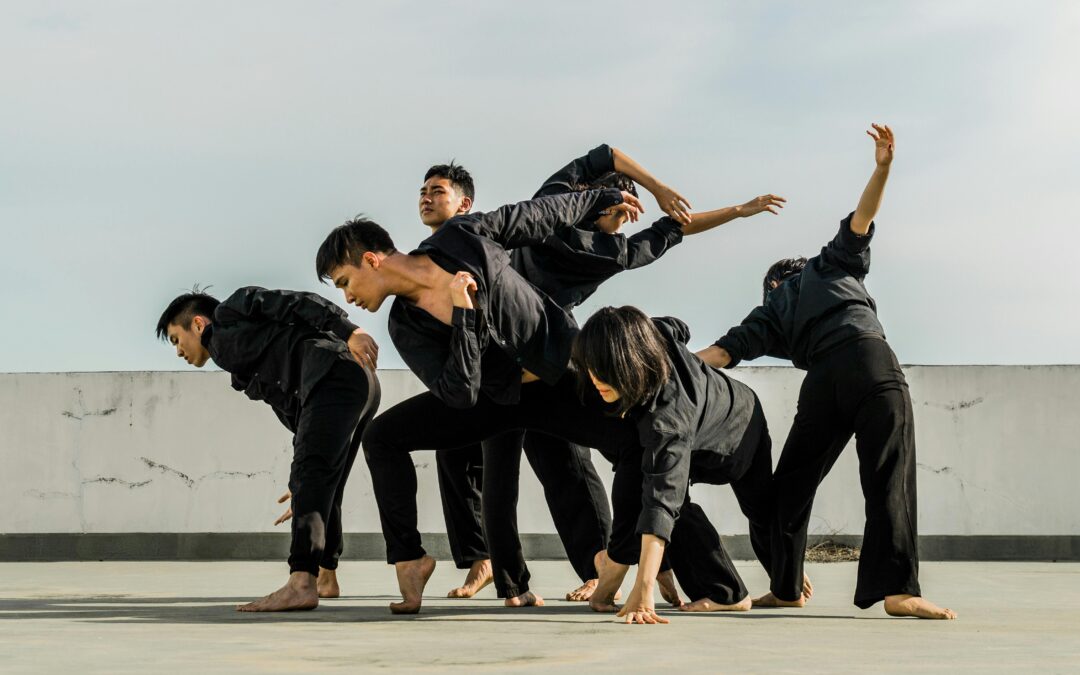
20th Century Innovations: The 20th century witnessed a period of unprecedented experimentation and innovation in dance. Modern dance pioneers such as Isadora Duncan, Martha Graham, and Merce Cunningham broke away from the rigid conventions of classical ballet, exploring new forms of movement, expression, and choreographic language. Additionally, social dances like jazz, tap, and hip-hop emerged and evolved, reflecting the cultural shifts and diversity of the modern world.
Contemporary Dance: In the 21st century, dance continues to evolve and diversify, reflecting the globalized and interconnected nature of contemporary society. Contemporary dance encompasses a wide range of styles and approaches, from avant-garde experimentation to cultural fusion and hybrid forms. Dancers and choreographers draw inspiration from diverse sources, including technology, social issues, and cross-cultural exchange, pushing the boundaries of artistic expression and innovation.
Throughout history, dance has been a powerful means of communication, cultural expression, and personal creativity, transcending boundaries of time, language, and geography. It remains an integral part of the human experience, enriching lives and communities worldwide.
The Significance of Dance in Indigenous Cultures
Dance holds deep significance in indigenous cultures around the world, serving as a cornerstone of spiritual, cultural, and social life. Here are some key aspects of the significance of dance to indigenous cultures:
Spiritual Connection: In many indigenous traditions, dance is a sacred practice that fosters a connection to the natural world, ancestors, and spiritual beings. Dances are often performed as part of religious ceremonies, rituals, and seasonal celebrations to honor deities, invoke blessings, and maintain harmony with the cosmos. Through dance, indigenous peoples express reverence for the earth, sky, water, and other elements of the natural environment, embodying a deep sense of interconnectedness and respect for all living beings.
Cultural Identity: Dance plays a vital role in preserving and transmitting indigenous cultures, traditions, and knowledge from one generation to the next. Indigenous dances often incorporate storytelling, symbolism, and oral history, conveying important teachings about ancestry, mythology, and community values. By participating in traditional dances, indigenous peoples reaffirm their cultural identity, resilience, and collective memory, strengthening bonds within their communities and reaffirming their place in the world.
Healing and Transformation: In many indigenous cultures, dance is a form of healing and transformation, addressing physical, emotional, and spiritual well-being. Healing dances, often accompanied by music, chanting, and ceremonial rituals, are believed to restore balance and harmony within individuals and communities, addressing illness, trauma, and spiritual unrest. Through movement and expression, dancers release negative energies, connect with inner wisdom, and cultivate resilience and renewal.
Social Cohesion: Dance serves as a powerful tool for social cohesion and solidarity within indigenous communities. Group dances, performed at gatherings, festivals, and communal events, strengthen bonds among individuals, families, and tribes, fostering a sense of belonging, cooperation, and shared purpose. Through collaborative movement and rhythm, dancers celebrate shared heritage, express collective aspirations, and reinforce social ties that sustain community resilience and vitality.
Resistance and Resilience: In many indigenous contexts, dance has been a form of resistance and resilience in the face of colonization, oppression, and cultural erasure. Indigenous peoples have used dance as a means of reclaiming their cultural identity, asserting sovereignty, and asserting their rights to land, language, and self-determination. Through expressive movements and cultural revitalization efforts, indigenous dancers assert their agency, voice, and presence, challenging dominant narratives and asserting the value of indigenous knowledge and ways of life.
Overall, dance holds profound significance in indigenous cultures, embodying spiritual, cultural, and social dimensions that are essential to the survival, resilience, and well-being of indigenous peoples worldwide.
Why Dance Matters
Dance is more than just a form of physical exercise—it’s a joyful expression of creativity, emotion, and connection that nourishes the mind, body, and soul. Here are a few reasons why dance is good for you:
Physical Fitness: Dancing is a fun and effective way to improve cardiovascular health, strength, flexibility, and endurance, all while burning calories and toning muscles.
Stress Relief: Moving to music can help release tension, reduce stress, and promote relaxation, offering a welcome escape from the pressures of daily life.
Mood Enhancement: Dancing releases endorphins, the body’s natural feel-good chemicals, which can boost mood, increase energy levels, and promote a sense of well-being and happiness.
Creative Expression: Dance provides a unique outlet for self-expression, allowing individuals to convey emotions, tell stories, and communicate without words through movement and gesture.
Social Connection: Dancing with others fosters a sense of community, camaraderie, and belonging, promoting social interaction, teamwork, and mutual support.
Types of Dance to Explore
The world of dance is as diverse as it is dynamic, encompassing a wide range of styles, traditions, and cultures. Here are just a few of the many types of dance you can explore:
Ballet: Known for its graceful movements, precise technique, and storytelling through dance, ballet is a classical art form that has captivated audiences for centuries.
Hip-Hop: Originating in urban communities, hip-hop dance encompasses a wide range of styles, including breaking, popping, locking, and freestyle, and is characterized by its high energy, athleticism, and improvisation.
Salsa: Originating in Latin America, salsa is a vibrant and sensual dance style characterized by its lively footwork, rhythmic hip movements, and infectious music.
Contemporary: Contemporary dance is a fluid and expressive form that combines elements of ballet, modern dance, and improvisation, allowing for freedom of movement and artistic interpretation.
Ballroom: Ballroom dance encompasses a variety of partner dances, including waltz, foxtrot, tango, and cha-cha, characterized by its elegant and graceful movements.
How to Get Started with Dance
Getting started with dance is easy and accessible to anyone, regardless of age, experience, or ability. Here are some tips to help you embark on your dance journey:
Find Your Style: Explore different dance styles to discover what resonates with you most deeply. Try taking introductory classes or watching online tutorials to get a feel for different styles and techniques.
Start Slow: Don’t be afraid to start slow and take things at your own pace. Focus on mastering basic movements and building a strong foundation before moving on to more advanced techniques.
Practice Regularly: Consistency is key when it comes to improving your dance skills. Set aside time each week to practice, whether it’s in a studio, at home, or in your living room.
Have Fun: Above all, remember to have fun and enjoy the process! Dance is a joyful and expressive art form that is meant to be enjoyed, so don’t be afraid to let loose, express yourself, and dance like nobody’s watching.
Elisha Valentine is a Wellness Coach, Creative Strategist, and Harmony Dynamics, LLC Founder. She loves to help support you in your journey of optimizing your well-being and enhancing your overall quality of life. ❤️