
At Home, Creative, Self-Care
How often do you groan when the alarm goes off? You hit the snooze button and repeat until you must get up. Now you’re running late, grab a coffee, stagger out the door still yawning, skip breakfast, and start the day feeling rushed and resentful. Or perhaps you begin your day scrolling through emails and social media before you even get out of bed, so your mind is distracted from the get-go.
For creatives, starting the day in a state of chaos can stifle your imagination and productivity. But it doesn’t have to be this way. There are some simple practices you can adopt to start the day calmly, mindfully, and purposefully before you reach for your cell phone. Try these three techniques to get your day off to a better start.
1. Breathe Mindfully and Connect to Your Inner Self
Before you get out of bed, before you even open your eyes, take a few moments to focus your breathing and connect deeply to your inner self. Take three long deep breaths through your nose, gently and slowly breathing out through your mouth. Then return your breath to its normal pattern, noticing the breath, and the rise and fall of your chest and belly as you breathe.
Why This Matters for Creatives: Mindful breathing helps ground you, fostering a state of calm that enhances your creative process. It clears mental clutter, allowing new ideas to flow more freely.
Additional Tip: You can also incorporate a brief meditation session. Spend five minutes in a meditative state, visualizing your creative goals and setting a peaceful tone for your day.
2. Bring to Mind Your Intention for the Day
How do you want to feel? What state of mind will support you best? How will you choose to connect with others? Resolve to check in with your intention during the day and adjust your mindset and behavior accordingly. What impact do you want to have in the world today? How can you take the best care of yourself as you go about your daily business?
Set a simple intention for how you want to be in your day. Make it a positive, straightforward statement. It can be as simple as “Today I want to be kind to myself and others” or “Today I will stay calm and grounded.” Make it appropriate for where you’re at and what you have to do.
Why This Matters for Creatives: Setting an intention aligns your actions with your creative goals, providing a sense of purpose and direction. It keeps you motivated and focused, essential for tackling creative projects.
Additional Tip: Write your intention down and place it somewhere visible, like your workspace or mirror. This constant reminder will help you stay aligned with your goal throughout the day.
3. Hydrate
You know you need to drink more water. Make it easier on yourself by starting the day with a big glass of water, before coffee, breakfast, and exercise. You can keep a water glass or bottle on your night table to start the day as you mean to go on – well hydrated! Follow your first glass with another before you have your coffee. Make your second glass an Ayurvedic drink of warm water with lemon. That is a traditional way of giving you a boost of Vitamin C, detoxing, and stimulating your metabolism.
Why This Matters for Creatives: Hydration is crucial for brain function and energy levels. Starting your day hydrated helps maintain focus and mental clarity, boosting your creativity and productivity.
Additional Tip: Incorporate a hydration routine throughout the day. Set reminders on your phone to take water breaks, ensuring you stay hydrated and maintain peak creative performance.
Bonus Tip: Gentle Morning Movement
Adding gentle movement to your morning routine can also be incredibly beneficial. Whether stretching, yoga, or a short walk, moving your body helps wake up your muscles and increases blood flow, enhancing mental clarity and creativity.
Why This Matters for Creatives: Physical activity stimulates the brain and can lead to improved mood and creativity. It helps shake off any lingering grogginess and sets a positive tone for the rest of the day.
Additional Tip: Choose a form of movement you enjoy and look forward to. This could be dancing to your favorite music, a quick jog, or a serene yoga session.
By incorporating these mindful practices into your morning routine, you’ll start your day with a sense of calm and purpose. This sets the stage for a more productive and creatively fulfilling day. Remember, how you start your day can significantly impact your creativity and overall well-being. Embrace these techniques and watch how they transform your daily routine.

Coaching, Creative, Entrepreneurs, Self-Care
Setbacks are an inevitable part of life. Whether it’s a rejection, failure, or unexpected obstacle, facing challenges on our journey toward our goals is not only common but essential for growth and development. However, how we respond to these setbacks ultimately determines our success. Instead of allowing setbacks to derail our progress and diminish our motivation, we can choose to use them as opportunities for learning, growth, and resilience. Here are some strategies for remaining self-motivated after experiencing setbacks:
- Acknowledge Your Emotions: It’s natural to feel disappointed, frustrated, or discouraged after a setback. Instead of suppressing these emotions, allow yourself to experience and acknowledge them fully. Recognize that setbacks are a normal part of the journey and that feeling upset or disappointed is okay. By acknowledging your emotions, you can begin to process them in a healthy way and move forward with a clearer mindset.
- Reframe the Setback as a Learning Opportunity: Instead of viewing setbacks as failures, reframe them as valuable learning opportunities. Ask yourself what you can learn from the experience and how you can use it to improve and grow. Perhaps the setback revealed areas where you can strengthen your skills, adjust your approach, or broaden your perspective. Embrace the lessons learned from the setback and use them to fuel your motivation moving forward.
- Focus on What You Can Control: It’s easy to get caught up in dwelling on things beyond our control, leading to helplessness and frustration. Instead, focus your energy and attention on what you can control – your attitude, actions, and responses to the setback. Take proactive steps to address any factors within your control and make positive changes that will propel you forward.
- Set Realistic Goals: After experiencing a setback, it’s important to reassess your goals and expectations to ensure they are realistic and attainable. Break down your larger goals into smaller, manageable steps and focus on making progress one step at a time. Celebrate small victories along the way to boost your confidence and momentum.
- Cultivate Resilience: Resilience is the ability to bounce back from setbacks and adversity stronger than before. Cultivate resilience by developing a growth mindset – the belief that challenges are opportunities for growth and learning. Practice self-compassion and kindness toward yourself, and remind yourself of past successes and challenges you’ve overcome. Surround yourself with supportive friends, family, or mentors who can offer encouragement and perspective during difficult times.
- Stay Committed to Your Why: Remind yourself why you set your goals in the first place and your vision for your future. Reconnect with your sense of purpose and passion, and let it fuel your determination to keep moving forward despite setbacks. Remember that setbacks are temporary obstacles on the path to success, and with persistence and perseverance, you can overcome them.
Setbacks are a natural and inevitable part of any journey toward success. Instead of allowing setbacks to derail your motivation, use them as opportunities for growth, learning, and resilience. By acknowledging your emotions, reframing setbacks as learning opportunities, focusing on what you can control, setting realistic goals, cultivating resilience, and staying committed to your why, you can maintain self-motivation and continue making progress toward your goals, no matter what challenges may arise.
Coaching, Self-Development, Wellness
In the pursuit of our long-term goals, it’s easy to become consumed by the vision of our desired future. We invest our time, energy, and focus into chasing after success, believing that our happiness hinges upon reaching that ultimate destination. However, in our relentless pursuit of the future, we often overlook the abundance and fulfillment that exists in our daily lives.
Gratitude Makes You Happier
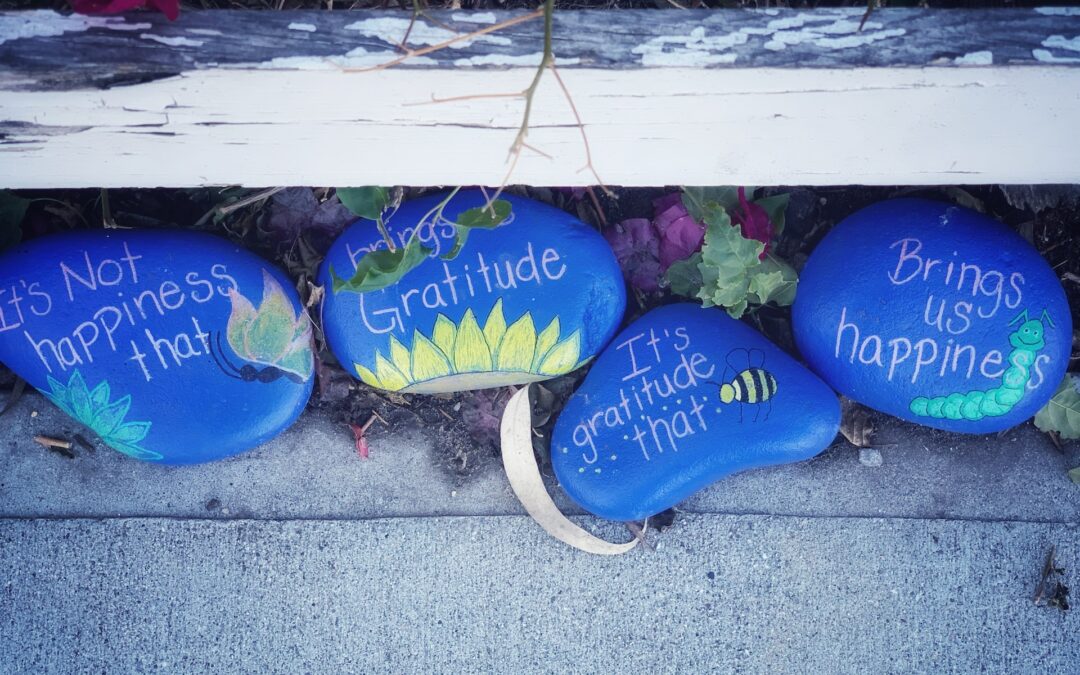
Neurologists have learned that feelings of gratitude actually change the way your brain works. When you are consciously aware of all the wonderful things in your life, you are happier and more content. When you are happy and feeling good about your life, it’s easier to believe that more good things await you down the road.
Gratitude Lowers Stress
A life filled with the struggle always to be better will lead to a life of stress. Yes, you want to reach your goals. You want to unlock all the potential that’s inside you. But finding a way to balance this desire with gratitude for what you’ve already accomplished and what you have in your life today is also important. When constantly pushing yourself forward, believing you aren’t good enough today is easy. Focusing on what you must be grateful for today lowers your stress level and helps you enjoy the journey to your ultimate goal.
Gratitude Makes You More Optimistic
Believing the grass is always greener on the other side is a sure way to ensure your dissatisfaction with life. It makes you feel like you may never get the life you want. This pessimism just makes everything in life harder. You may even just give up on your dreams because you don’t believe you can attain them. Keeping a grateful mindset offers a way to enjoy life now and look forward to the future once your goals are realized.
While long-term goals provide direction and purpose, they should not overshadow the importance of living in the present moment and expressing gratitude for what we already have achieved. Here’s why striking a balance between long-term aspirations and daily gratitude is essential for both happiness and success:
- Finding Joy in the Journey: While achieving long-term goals can bring a sense of accomplishment, true happiness lies in the journey itself. By embracing the process and finding joy in the small victories along the way, we can experience fulfillment and satisfaction in the present moment, rather than waiting for some distant future to bring us happiness.
- Building Resilience: Acknowledging and appreciating our past achievements fosters resilience and confidence in our ability to overcome challenges and achieve future goals. Reflecting on how far we’ve come reminds us of our strengths and capabilities, empowering us to face obstacles with optimism and determination.
- Fostering Positive Mindset: Practicing gratitude shifts our focus from what we lack to what we already have, fostering a positive mindset and outlook on life. When we approach our goals from a place of abundance rather than scarcity, we attract more opportunities for growth and success into our lives.
- Enhancing Well-Being: Research has shown that expressing gratitude has numerous benefits for our physical, mental, and emotional well-being. From reducing stress and anxiety to improving sleep and overall happiness, expressing gratitude for the blessings in our lives promotes holistic health and wellness.
So how can we strike a balance between our long-term goals and daily gratitude? Here are some practical strategies to integrate gratitude into your daily life:
- Daily Reflection: Take a few moments each day to reflect on what you’re grateful for, whether it’s your health, relationships, accomplishments, or simple pleasures like a beautiful sunset or a delicious meal.
- Express Appreciation: Don’t hesitate to express gratitude to others for their support, kindness, or contributions to your life. A heartfelt thank you can strengthen relationships and cultivate a culture of positivity and appreciation.
- Celebrate Small Wins: Acknowledge and celebrate the small victories and milestones you achieve along the way toward your long-term goals. Each step forward, no matter how small, is worthy of recognition and celebration.
- Practice Mindfulness: Incorporate mindfulness into your daily routine to stay grounded in the present moment and develop awareness of the beauty and abundance surrounding you.
Obtaining a grateful spirit doesn’t take much time and effort, but it makes a huge difference in your life. Start by keeping a small notebook with you or using an app on your phone to note the little things that happen throughout your day for which you are grateful. Some people prefer to keep a gratitude journal by their bed and add a short list of things that they are grateful for that day. Give it a try if you feel you’ve been too focused on a goal, making you unappreciative of what you already have.
While long-term goals provide direction and purpose, true happiness is found in embracing the journey and expressing gratitude for the blessings in our lives. By striking a balance between our aspirations for the future and appreciation for the present moment, we can experience greater fulfillment, resilience, and well-being on our path to success. So, as you pursue your long-term goals, remember to pause, reflect, and express gratitude for the abundance and joy that already exists in your life.