House plants do much more than just beautify your living space—they also contribute to improved air quality, mental well-being, and overall quality of life. Here are some of the many benefits of incorporating house plants into your home:
Air Purification: House plants act as natural air purifiers, filtering out toxins and pollutants from indoor air and releasing oxygen into the environment. Plants such as peace lilies, spider plants, and snake plants are particularly effective at removing common indoor pollutants like formaldehyde, benzene, and carbon monoxide.
Stress Reduction: Spending time around house plants has been shown to reduce stress, anxiety, and fatigue, while promoting feelings of calmness, relaxation, and well-being. The act of caring for plants can be therapeutic and meditative, providing a welcome respite from the demands of daily life.
Improved Mood and Productivity: House plants have a positive effect on mood and productivity, boosting concentration, creativity, and cognitive function. Studies have found that simply having plants in your environment can improve mood, reduce fatigue, and increase feelings of happiness and satisfaction.
Humidity Regulation: Many house plants naturally release moisture into the air through a process called transpiration, helping to increase indoor humidity levels and create a more comfortable and breathable environment, especially in dry climates or during winter months.
Biophilic Connection: House plants satisfy our innate biophilic instinct—the inherent human desire to connect with nature and the natural world. Bringing nature indoors can foster a sense of connection, harmony, and balance in our lives, even in urban or indoor environments.
Popular Types of House Plants and Their Benefits
From leafy greens and flowering beauties to succulents and cacti, there’s a house plant to suit every taste, style, and skill level. Here are some popular types of indoor plants and their unique benefits:
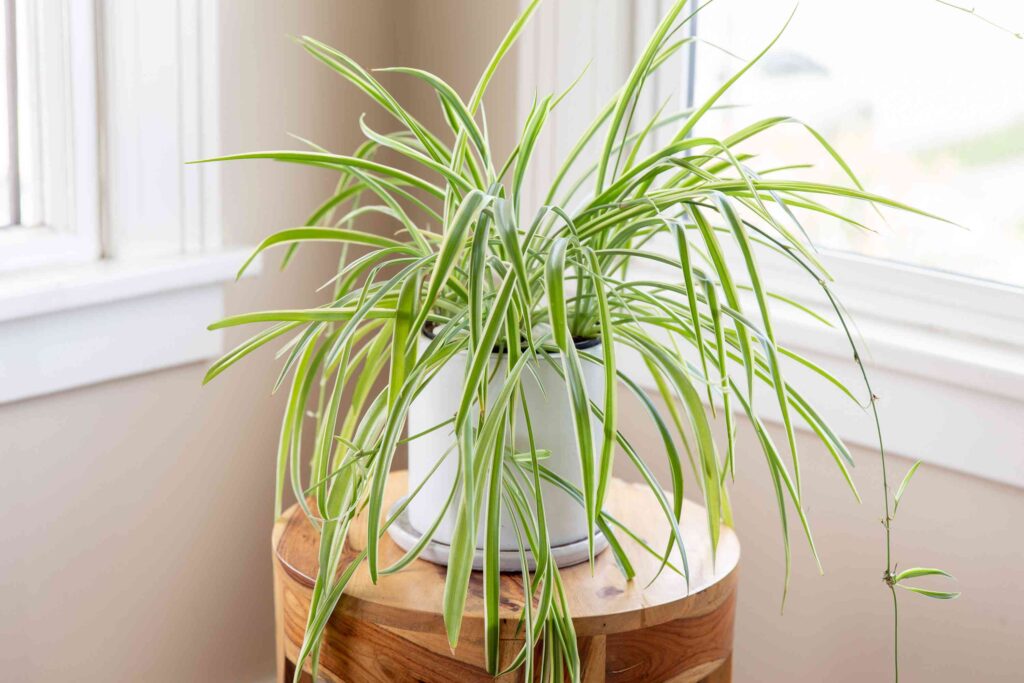
Spider Plant (Chlorophytum comosum): Known for its graceful arching leaves and air-purifying properties, the spider plant is a low-maintenance favorite that thrives in bright, indirect light and prefers evenly moist soil. It’s excellent for beginners and is safe for pets.
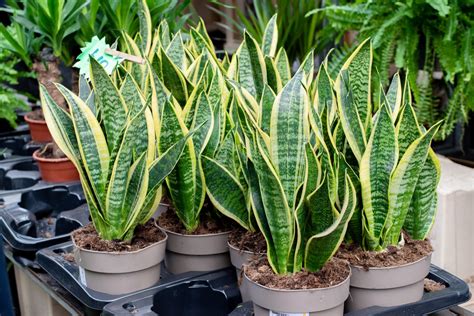
Snake Plant (Sansevieria trifasciata): With its striking sword-shaped leaves and tolerance for low light and neglect, the snake plant is a hardy and resilient choice for busy households. It purifies the air by removing toxins like formaldehyde and benzene and requires minimal watering.
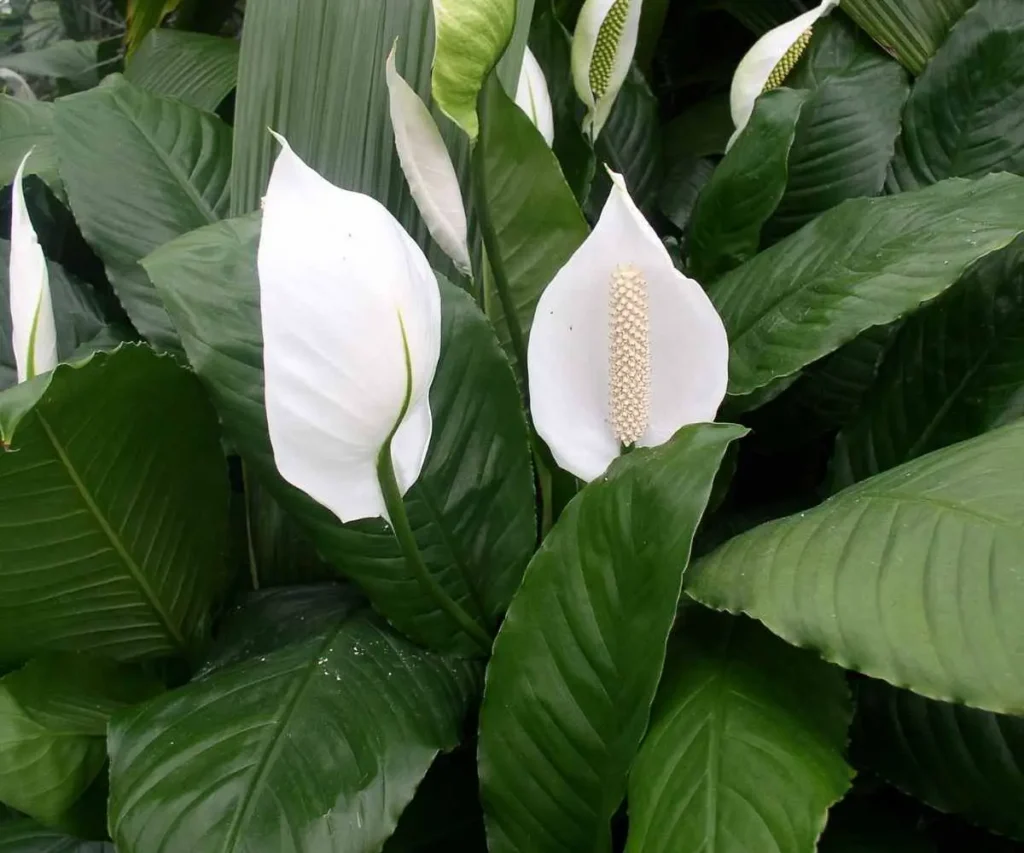
Peace Lily (Spathiphyllum spp.): Revered for its elegant white flowers and lush green foliage, the peace lily is a popular choice for its air-purifying abilities and adaptability to low light conditions. It also helps to increase indoor humidity levels, making it ideal for dry environments.
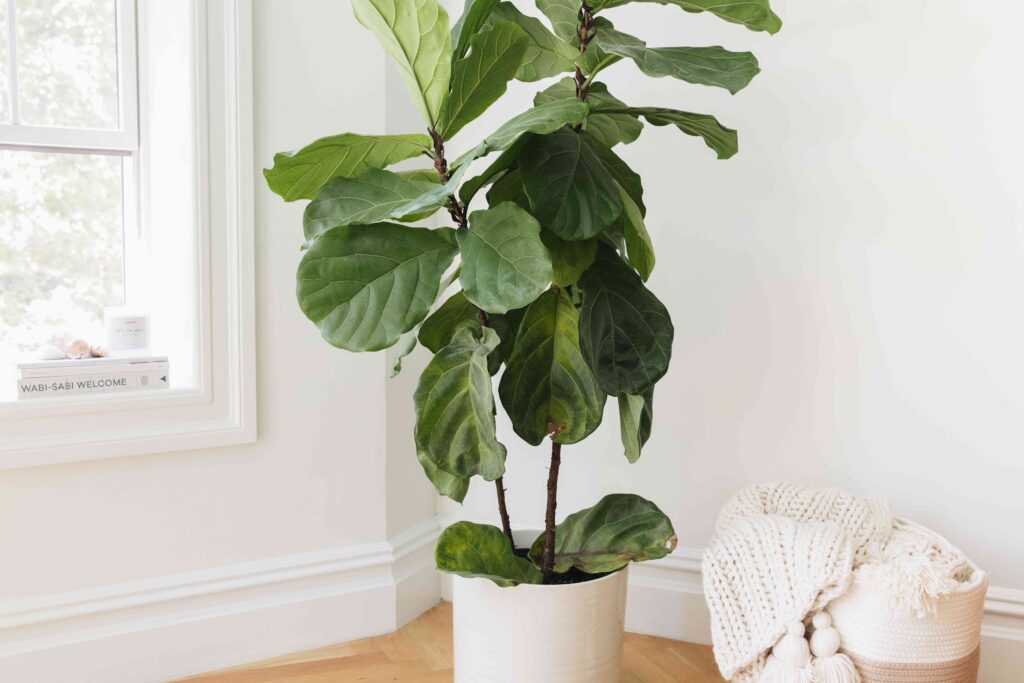
Fiddle Leaf Fig (Ficus lyrata): Characterized by its large, glossy leaves and sculptural form, the fiddle leaf fig is a statement-making plant that adds a touch of drama and sophistication to any space. It thrives in bright, indirect light and requires regular watering and occasional pruning.
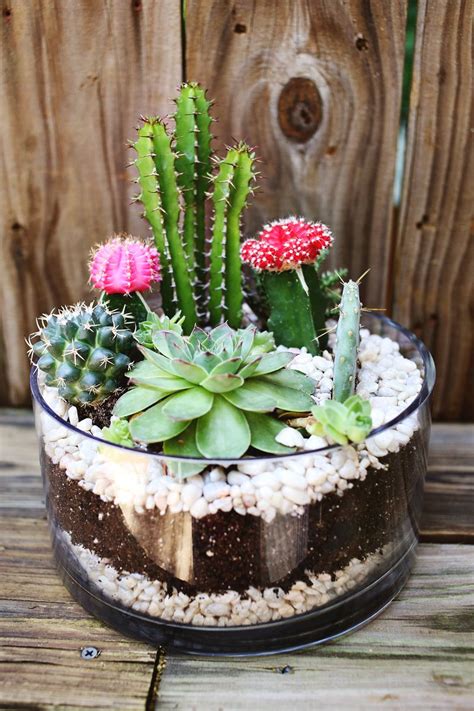
Succulents and Cacti: Succulents and cacti are beloved for their unique shapes, textures, and resilience to drought. They come in a wide variety of colors and sizes and are ideal for adding a touch of desert-inspired charm to your home. Place them in sunny windowsills and water sparingly.
Incorporating House Plants into Your Home
Whether you’re a seasoned plant parent or a novice green thumb, there are countless ways to incorporate house plants into your home to enhance its beauty, ambiance, and livability. Here are some tips for creating a green oasis indoors:
Choose the Right Plants: Select house plants that are well-suited to your home’s lighting conditions, humidity levels, and available space. Consider factors like plant size, growth habits, and care requirements when choosing plants for different rooms.
Create Plant Displays: Arrange your house plants in clusters or groupings to create visually stunning displays that add interest and dimension to your space. Mix and match plants of varying heights, textures, and colors to create a dynamic and harmonious composition.
Experiment with Planters: Get creative with planters and containers to add personality and style to your indoor garden. Consider using decorative pots, baskets, or hanging planters that complement your home’s decor and reflect your personal taste.
Provide Proper Care: Take the time to learn about the specific care needs of your house plants, including watering, fertilizing, pruning, and repotting. Establish a regular watering schedule and monitor your plants for signs of pests, disease, or stress.
Enjoy the Benefits: Take pleasure in the beauty, tranquility, and vitality that house plants bring to your home. Spend time tending to your plants, observing their growth, and basking in the joy of nurturing living things.
Whether you’re looking to purify the air, reduce stress, or simply add a touch of natural beauty to your home, house plants offer a wealth of benefits for both body and soul. So why not bring a little piece of the outdoors indoors and create your own green sanctuary today?
Creative writing is a form of self-expression that encompasses a wide range of genres, styles, and techniques, from poetry and short stories to novels, essays, and memoirs. At its core, creative writing is about exploring the depths of our imagination, tapping into our emotions, and crafting narratives that captivate, inspire, and resonate with readers.
Examples of Creative Writing
To spark your imagination and inspire your own creative endeavors, here are a few examples of different forms of creative writing:
Poetry: Poems come in many shapes and forms, from traditional sonnets and haikus to free verse and experimental poetry. Explore the rhythm, imagery, and language of poetry to convey emotions, ideas, and experiences in a concise and powerful way.
Short Stories: Short stories are brief works of fiction that focus on a single event, character, or theme. Dive into the world of short fiction and explore the art of storytelling, character development, and plot twists within the confines of a limited word count.
Flash Fiction: Flash fiction, also known as micro fiction or sudden fiction, is a form of ultra-short storytelling characterized by its brevity and conciseness. Challenge yourself to craft compelling narratives in 1,000 words or less, capturing moments of revelation, surprise, or transformation.
Creative Nonfiction: Creative nonfiction blends elements of storytelling with factual accuracy, allowing writers to explore real-life events, experiences, and perspectives in a narrative form. Experiment with memoirs, personal essays, travel writing, and narrative journalism to share your own truths and insights with readers.
A Few Famous Writers
There are countless famous creative writers who have made significant contributions to literature across various genres and time periods. Here are just a few notable examples:
William Shakespeare: Widely regarded as one of the greatest playwrights in the English language, Shakespeare’s works, including “Hamlet,” “Romeo and Juliet,” and “Macbeth,” continue to be celebrated for their rich language, complex characters, and timeless themes.
Jane Austen: Known for her wit, social commentary, and keen insight into human nature, Austen’s novels, such as “Pride and Prejudice,” “Sense and Sensibility,” and “Emma,” remain beloved classics of English literature.
Charles Dickens: A prolific novelist of the Victorian era, Dickens wrote many iconic works, including “Great Expectations,” “A Tale of Two Cities,” and “Oliver Twist,” which vividly depicted the social issues and injustices of his time.
Virginia Woolf: A leading figure of the modernist movement, Woolf’s experimental novels, such as “Mrs. Dalloway,” “To the Lighthouse,” and “Orlando,” challenged traditional narrative conventions and explored themes of identity, memory, and consciousness.
Ernest Hemingway: Known for his spare and economical prose style, Hemingway’s works, including “The Old Man and the Sea,” “A Farewell to Arms,” and “For Whom the Bell Tolls,” captured the disillusionment and existential angst of the early 20th century.
Toni Morrison: A trailblazing novelist and Nobel laureate, Morrison’s powerful and lyrical works, such as “Beloved,” “Song of Solomon,” and “The Bluest Eye,” explored the African American experience with depth, empathy, and mythic resonance.
Gabriel García Márquez: A master of magical realism, García Márquez’s novels, including “One Hundred Years of Solitude,” “Love in the Time of Cholera,” and “Chronicle of a Death Foretold,” blend fantastical elements with vivid depictions of Latin American life and history.
Creative Writers of the 21st Century
In the 21st century, numerous creative writers have made significant contributions to literature across various genres. Here are some notable examples:
J.K. Rowling: Best known for the “Harry Potter” series, Rowling’s imaginative storytelling has captivated readers of all ages and made her one of the most successful authors of contemporary literature.
Haruki Murakami: A Japanese author whose surreal and atmospheric novels, such as “Norwegian Wood,” “1Q84,” and “Kafka on the Shore,” have earned him international acclaim and a devoted following.
Chimamanda Ngozi Adichie: A Nigerian author known for her powerful storytelling and exploration of themes such as identity, race, and gender. Her novels, including “Half of a Yellow Sun,” “Americanah,” and “Purple Hibiscus,” have won numerous awards and garnered critical acclaim.
Zadie Smith: A British author known for her insightful and humorous exploration of contemporary life and multiculturalism. Her novels, such as “White Teeth,” “On Beauty,” and “Swing Time,” have earned her widespread praise and literary awards.
Elena Ferrante: An Italian author known for her Neapolitan Novels series, which explores the lives and friendships of two women from childhood to old age against the backdrop of post-war Italy. Ferrante’s works have been widely translated and adapted for television.
Ta-Nehisi Coates: An American author and journalist known for his incisive commentary on race, politics, and culture. Coates’s books, including “Between the World and Me” and “The Water Dancer,” have earned him critical acclaim and numerous awards, including the National Book Award.
Sally Rooney: An Irish author whose novels, such as “Conversations with Friends” and “Normal People,” explore themes of love, friendship, and identity with sensitivity and nuance. Rooney’s works have been praised for their sharp dialogue and incisive portrayal of contemporary relationships.
Ocean Vuong: A Vietnamese-American poet and novelist known for his lyrical and evocative writing style. Vuong’s debut novel, “On Earth We’re Briefly Gorgeous,” received widespread acclaim for its exploration of identity, family, and the immigrant experience.
These are just a few examples of the many influential and celebrated creative writers whose works continue to resonate with readers around the world.
Creative Writing as a Career
It is possible to make a career out of creative writing, although it often requires dedication, persistence, and versatility. Creative writing encompasses various forms and mediums, including novels, short stories, poetry, screenwriting, playwriting, journalism, copywriting, blogging, and more. Here are some avenues through which you can pursue a career in creative writing:
Authorship: Many writers aspire to become published authors, writing novels, short stories, or poetry collections for traditional publishing houses or self-publishing their work. While the path to publication can be challenging and competitive, successful authors can earn income through book sales, royalties, and advances.
Freelance Writing: Freelance writers work on a project-by-project basis, providing writing services to clients such as magazines, websites, businesses, and nonprofit organizations. Freelance writing opportunities may include articles, essays, reviews, marketing copy, ghostwriting, editing, and more. Freelancers often enjoy flexibility in their schedules and can work from home or remotely.
Journalism: Journalists write news articles, features, and investigative pieces for newspapers, magazines, online publications, radio, television, and digital media outlets. While journalism requires strong research and reporting skills, it offers opportunities to cover a wide range of topics, including current events, politics, culture, science, and human interest stories.
Screenwriting: Screenwriters write scripts for film, television, streaming platforms, and other visual media. Screenwriting requires a specialized skill set, including storytelling, dialogue, character development, and understanding of visual storytelling techniques. Successful screenwriters may work independently or collaborate with producers, directors, and production companies.
Content Creation: Content creators produce written content for digital platforms, including blogs, websites, social media, and online publications. Content creation opportunities may include blogging, copywriting, content marketing, social media management, email newsletters, and digital storytelling.
Teaching and Academia: Some writers pursue careers in teaching creative writing at schools, colleges, universities, writing workshops, and community education programs. Additionally, writers with advanced degrees may pursue careers in academia, conducting research, publishing scholarly articles, and teaching literature and creative writing at the collegiate level.
Editorial Work: Editors work with writers to refine and polish their writing for publication. Editorial roles may include developmental editing, copyediting, proofreading, and manuscript evaluation for publishing houses, literary magazines, academic journals, and freelance clients.
While a career in creative writing can be fulfilling and rewarding, it often requires perseverance, flexibility, and a willingness to adapt to the evolving publishing landscape. Building a successful career in creative writing may involve a combination of honing writing skills, networking, building a platform or audience, seeking opportunities for publication, and continuously developing one’s craft and expertise.
Tips to Get Started with Creative Writing
Ready to unleash your creativity and start writing? Here are some tips to help you get started on your own creative writing journey:
Find Your Inspiration: Seek inspiration from your own life experiences, observations, and imagination. Keep a journal, jot down ideas, and pay attention to the world around you for inspiration.
Experiment with Different Genres: Explore different genres, styles, and forms of creative writing to find what resonates with you most deeply. Don’t be afraid to step outside your comfort zone and try new things.
Create a Writing Routine: Set aside dedicated time each day or week to write, whether it’s early in the morning, late at night, or during your lunch break. Consistency is key to developing your skills and cultivating your creativity.
Read Widely and Wisely: Read voraciously across different genres and styles to expand your literary horizons, learn from the masters, and discover new techniques and approaches to storytelling.
Join a Writing Community: Connect with other writers, join writing groups or workshops, and seek feedback and support from fellow creatives. Sharing your work with others can provide valuable insights, encouragement, and motivation along your writing journey.
Embrace the Editing Process: Writing is rewriting. Embrace the editing process as an opportunity to refine your ideas, polish your prose, and craft a compelling narrative that resonates with readers.
Whether you’re a seasoned writer or a beginner exploring the joys of creative expression, there’s something magical about the art of creative writing. So pick up your pen, open your heart, and let your imagination soar as you embark on your own writing adventure.
The history of dance is as diverse and dynamic as the cultures and societies that have practiced it throughout time. While it’s challenging to provide a comprehensive overview in a brief format, here are some key highlights:
Ancient Origins: Dance has ancient roots, with evidence of dance-like rituals dating back tens of thousands of years. In prehistoric times, early humans likely danced as part of religious ceremonies, social gatherings, and rites of passage. Cave paintings and artifacts suggest that dance was an integral part of early human culture.
Classical Civilizations: Dance flourished in the classical civilizations of ancient Greece and Rome. In Greece, dance was closely linked to theater, with the development of dramatic forms such as tragedy and comedy. Greek dance forms like the choral ode and the dithyramb influenced later Western dance traditions. In Rome, dance was often associated with religious festivals and entertainment in arenas and theaters.
Medieval and Renaissance Europe: During the Middle Ages, dance continued to play a significant role in religious rituals, courtly entertainment, and folk traditions across Europe. In the Renaissance period, dance experienced a revival, with the emergence of elaborate court dances, such as the pavane and galliard, as well as the development of ballet as a theatrical art form.
19th Century Ballet: The 19th century saw the rise of ballet as a highly codified and theatrical dance form. Ballet masters like Marius Petipa and choreographers such as Jean-Georges Noverre and August Bournonville played pivotal roles in shaping the classical ballet repertoire and technique. Ballet became synonymous with elegance, grace, and virtuosity, with iconic works like “Swan Lake,” “The Nutcracker,” and “Giselle” captivating audiences worldwide.
20th Century Innovations: The 20th century witnessed a period of unprecedented experimentation and innovation in dance. Modern dance pioneers such as Isadora Duncan, Martha Graham, and Merce Cunningham broke away from the rigid conventions of classical ballet, exploring new forms of movement, expression, and choreographic language. Additionally, social dances like jazz, tap, and hip-hop emerged and evolved, reflecting the cultural shifts and diversity of the modern world.
Contemporary Dance: In the 21st century, dance continues to evolve and diversify, reflecting the globalized and interconnected nature of contemporary society. Contemporary dance encompasses a wide range of styles and approaches, from avant-garde experimentation to cultural fusion and hybrid forms. Dancers and choreographers draw inspiration from diverse sources, including technology, social issues, and cross-cultural exchange, pushing the boundaries of artistic expression and innovation.
Throughout history, dance has been a powerful means of communication, cultural expression, and personal creativity, transcending boundaries of time, language, and geography. It remains an integral part of the human experience, enriching lives and communities worldwide.
The Significance of Dance in Indigenous Cultures
Dance holds deep significance in indigenous cultures around the world, serving as a cornerstone of spiritual, cultural, and social life. Here are some key aspects of the significance of dance to indigenous cultures:
Spiritual Connection: In many indigenous traditions, dance is a sacred practice that fosters a connection to the natural world, ancestors, and spiritual beings. Dances are often performed as part of religious ceremonies, rituals, and seasonal celebrations to honor deities, invoke blessings, and maintain harmony with the cosmos. Through dance, indigenous peoples express reverence for the earth, sky, water, and other elements of the natural environment, embodying a deep sense of interconnectedness and respect for all living beings.
Cultural Identity: Dance plays a vital role in preserving and transmitting indigenous cultures, traditions, and knowledge from one generation to the next. Indigenous dances often incorporate storytelling, symbolism, and oral history, conveying important teachings about ancestry, mythology, and community values. By participating in traditional dances, indigenous peoples reaffirm their cultural identity, resilience, and collective memory, strengthening bonds within their communities and reaffirming their place in the world.
Healing and Transformation: In many indigenous cultures, dance is a form of healing and transformation, addressing physical, emotional, and spiritual well-being. Healing dances, often accompanied by music, chanting, and ceremonial rituals, are believed to restore balance and harmony within individuals and communities, addressing illness, trauma, and spiritual unrest. Through movement and expression, dancers release negative energies, connect with inner wisdom, and cultivate resilience and renewal.
Social Cohesion: Dance serves as a powerful tool for social cohesion and solidarity within indigenous communities. Group dances, performed at gatherings, festivals, and communal events, strengthen bonds among individuals, families, and tribes, fostering a sense of belonging, cooperation, and shared purpose. Through collaborative movement and rhythm, dancers celebrate shared heritage, express collective aspirations, and reinforce social ties that sustain community resilience and vitality.
Resistance and Resilience: In many indigenous contexts, dance has been a form of resistance and resilience in the face of colonization, oppression, and cultural erasure. Indigenous peoples have used dance as a means of reclaiming their cultural identity, asserting sovereignty, and asserting their rights to land, language, and self-determination. Through expressive movements and cultural revitalization efforts, indigenous dancers assert their agency, voice, and presence, challenging dominant narratives and asserting the value of indigenous knowledge and ways of life.
Overall, dance holds profound significance in indigenous cultures, embodying spiritual, cultural, and social dimensions that are essential to the survival, resilience, and well-being of indigenous peoples worldwide.
Why Dance Matters
Dance is more than just a form of physical exercise—it’s a joyful expression of creativity, emotion, and connection that nourishes the mind, body, and soul. Here are a few reasons why dance is good for you:
Physical Fitness: Dancing is a fun and effective way to improve cardiovascular health, strength, flexibility, and endurance, all while burning calories and toning muscles.
Stress Relief: Moving to music can help release tension, reduce stress, and promote relaxation, offering a welcome escape from the pressures of daily life.
Mood Enhancement: Dancing releases endorphins, the body’s natural feel-good chemicals, which can boost mood, increase energy levels, and promote a sense of well-being and happiness.
Creative Expression: Dance provides a unique outlet for self-expression, allowing individuals to convey emotions, tell stories, and communicate without words through movement and gesture.
Social Connection: Dancing with others fosters a sense of community, camaraderie, and belonging, promoting social interaction, teamwork, and mutual support.
Types of Dance to Explore
The world of dance is as diverse as it is dynamic, encompassing a wide range of styles, traditions, and cultures. Here are just a few of the many types of dance you can explore:
Ballet: Known for its graceful movements, precise technique, and storytelling through dance, ballet is a classical art form that has captivated audiences for centuries.
Hip-Hop: Originating in urban communities, hip-hop dance encompasses a wide range of styles, including breaking, popping, locking, and freestyle, and is characterized by its high energy, athleticism, and improvisation.
Salsa: Originating in Latin America, salsa is a vibrant and sensual dance style characterized by its lively footwork, rhythmic hip movements, and infectious music.
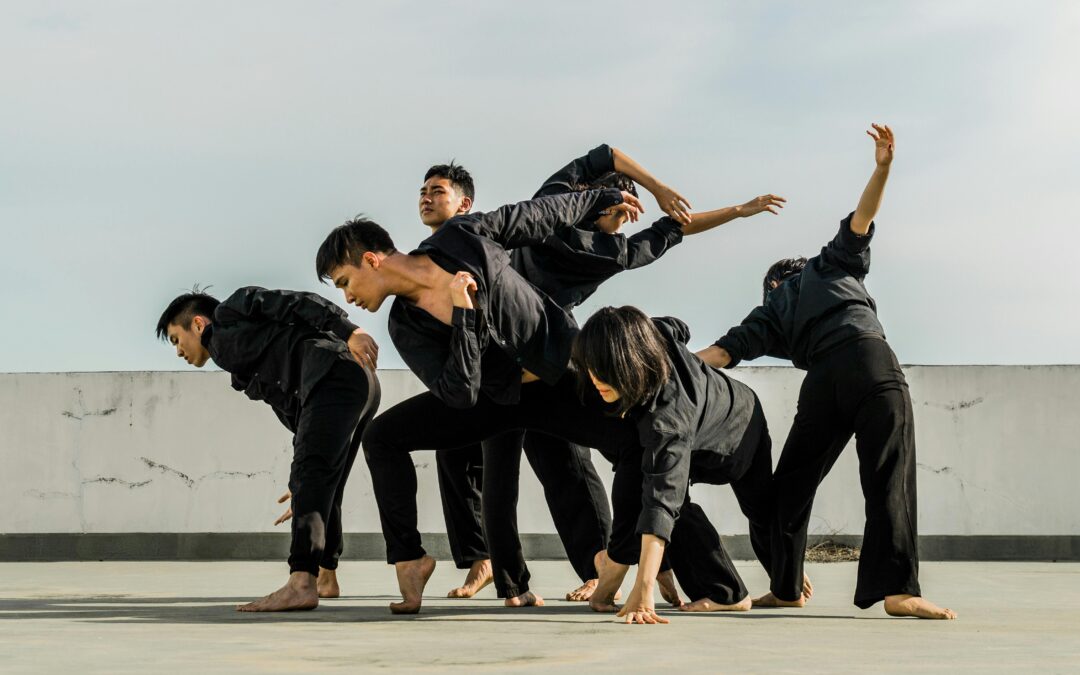
Contemporary: Contemporary dance is a fluid and expressive form that combines elements of ballet, modern dance, and improvisation, allowing for freedom of movement and artistic interpretation.
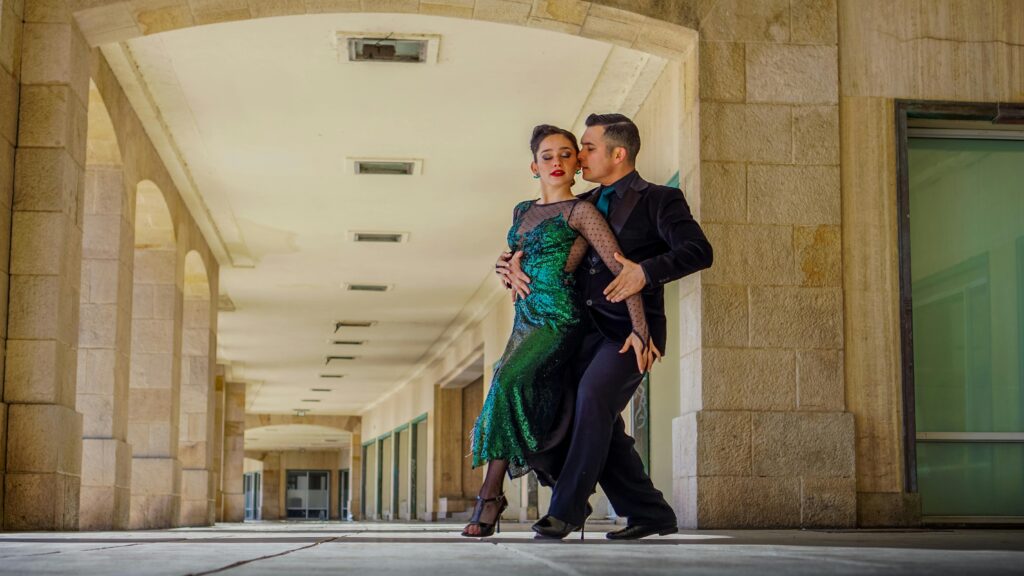
Ballroom: Ballroom dance encompasses a variety of partner dances, including waltz, foxtrot, tango, and cha-cha, characterized by its elegant and graceful movements.
How to Get Started with Dance
Getting started with dance is easy and accessible to anyone, regardless of age, experience, or ability. Here are some tips to help you embark on your dance journey:
Find Your Style: Explore different dance styles to discover what resonates with you most deeply. Try taking introductory classes or watching online tutorials to get a feel for different styles and techniques.
Start Slow: Don’t be afraid to start slow and take things at your own pace. Focus on mastering basic movements and building a strong foundation before moving on to more advanced techniques.
Practice Regularly: Consistency is key when it comes to improving your dance skills. Set aside time each week to practice, whether it’s in a studio, at home, or in your living room.
Have Fun: Above all, remember to have fun and enjoy the process! Dance is a joyful and expressive art form that is meant to be enjoyed, so don’t be afraid to let loose, express yourself, and dance like nobody’s watching.
Creative arts encompass a wide range of artistic disciplines and activities that involve the use of imagination, creativity, and skill to produce expressive works. These can include visual arts, performing arts, literary arts, and more. Here’s a breakdown of some common categories within creative arts:
Visual Arts: Visual arts encompass a broad spectrum of artistic expressions that involve creating images or objects using various mediums. This includes:
Drawing
Painting
Sculpture
Printmaking
Photography
Graphic design
Mixed media
Performing Arts: Performing arts involve live performances that showcase artistic expression through movement, sound, or spoken word. This category includes:
Theater
Dance
Music (vocal and instrumental)
Opera
Ballet
Circus arts
Performance art
Literary Arts: Literary arts focus on written or spoken expression through language and storytelling. This includes:
Poetry
Prose (fiction and non-fiction)
Short stories
Essays
Playwriting
Screenwriting
Spoken word poetry
Crafts: Crafts involve the creation of handmade objects or artworks using specific techniques and materials. This category encompasses a wide range of practices, such as:
Pottery
Woodworking
Textile arts (knitting, crocheting, weaving)
Jewelry making
Paper crafts (origami, papercutting)
Glassblowing
Metalworking
Design: Design encompasses the creation of functional and aesthetic solutions to various problems or challenges. This includes:
Industrial design
Interior design
Fashion design
Product design
User experience (UX) design
Architecture
Creative arts serve as a means of self-expression, communication, and cultural preservation. They provide opportunities for individuals to explore their thoughts, emotions, and identities, connect with others, and engage with different perspectives. Whether as a hobby, profession, or form of therapy, engaging in creative arts can offer numerous benefits, including stress relief, personal fulfillment, and cognitive stimulation.
The Benefits of Creative Arts
Engaging in creative arts offers a wide range of benefits for both mental and emotional well-being, including:
Stress Reduction: Immersing yourself in a creative project can provide a welcome escape from the demands of daily life, helping to reduce stress levels and promote relaxation.
Mood Enhancement: Creating art, music, or writing can boost mood and elevate spirits, offering a sense of accomplishment and satisfaction that comes from expressing oneself authentically.
Self-Expression: Creative arts provide a unique outlet for self-expression, allowing individuals to communicate their thoughts, feelings, and experiences in a tangible and meaningful way.
Mindfulness and Presence: Engaging in creative activities fosters mindfulness and presence, encouraging individuals to focus on the present moment and cultivate a sense of awareness and connection to the world around them.
Personal Growth: Exploring new artistic mediums, techniques, and styles can promote personal growth and self-discovery, encouraging individuals to step outside their comfort zones and embrace their creative potential.
Simple DIY Projects to Inspire Creativity
Vision Board: Create a vision board by collecting images, quotes, and words that inspire you and represent your goals, dreams, and aspirations. Arrange them on a poster board or canvas and display it in a prominent place as a daily reminder of your intentions.
Nature Collage: Take a nature walk and collect leaves, flowers, and other natural materials. Use them to create a beautiful collage or mandala on paper or canvas, allowing your creativity to flow freely as you arrange and glue the elements together.
Handmade Greeting Cards: Get crafty and make your own handmade greeting cards for birthdays, holidays, or special occasions. Use colored paper, markers, stickers, and other embellishments to create personalized cards that reflect your unique style and personality.
DIY Journal: Create your own DIY journal by binding together sheets of paper with a decorative cover. Use it as a space to jot down thoughts, ideas, sketches, and reflections, allowing your journal to evolve over time as you fill it with your creative expressions.
Rock Painting: Gather smooth rocks from your backyard or a nearby beach and transform them into works of art with acrylic paints. Let your imagination run wild as you paint colorful designs, patterns, or inspirational messages onto the rocks, then display them in your home or garden.
Whether you’re an experienced artist or a beginner exploring your creative side, there’s something for everyone to enjoy in the world of creative arts. So grab your supplies, unleash your imagination, and let your creativity soar!
Journaling is the practice of writing down thoughts, feelings, experiences, and reflections on a regular basis. It can take many forms, from freeform writing to structured prompts, and it can be done using pen and paper or digitally.
At its core, journaling is a tool for self-expression, self-reflection, and personal growth. It allows individuals to explore their inner thoughts and emotions, make sense of their experiences, and gain insight into their lives. Journaling can also help improve mental health by providing an outlet for stress, anxiety, and other emotions.
Why Journaling Matters
Journaling offers a myriad of benefits for both the mind and spirit, including:
Self-Reflection: Journaling provides a safe and private space to explore your thoughts, feelings, and experiences, helping you gain insight into your inner world and make sense of your emotions.
Clarity and Focus: Writing down your thoughts can help clarify your thoughts, identify patterns, and gain perspective on challenging situations, allowing you to make more informed decisions and navigate life with greater ease.
Emotional Release: Journaling serves as a powerful outlet for expressing and processing emotions, relieving stress, and releasing pent-up feelings in a healthy and constructive way.
Goal Setting and Accountability: Keeping a journal can help you set goals, track your progress, and hold yourself accountable for taking action towards your aspirations, fostering motivation and personal growth.
Creative Expression: Journaling is a creative act that allows you to experiment with different writing styles, prompts, and formats, sparking inspiration and expanding your creative horizons.
Types of Journals to Explore
There are countless types of journals you can explore, each with its own unique focus and purpose. Here are a few popular options to consider:
Daily Reflection: A journal for daily reflection allows you to capture your thoughts, experiences, and gratitude each day, providing a snapshot of your life over time.
Gratitude Journal: A gratitude journal is a place to cultivate a mindset of appreciation by regularly writing down the things you’re thankful for, big and small.
Dream Journal: Keep a dream journal by your bedside to record your dreams upon waking, exploring their symbolism and uncovering insights into your subconscious mind.
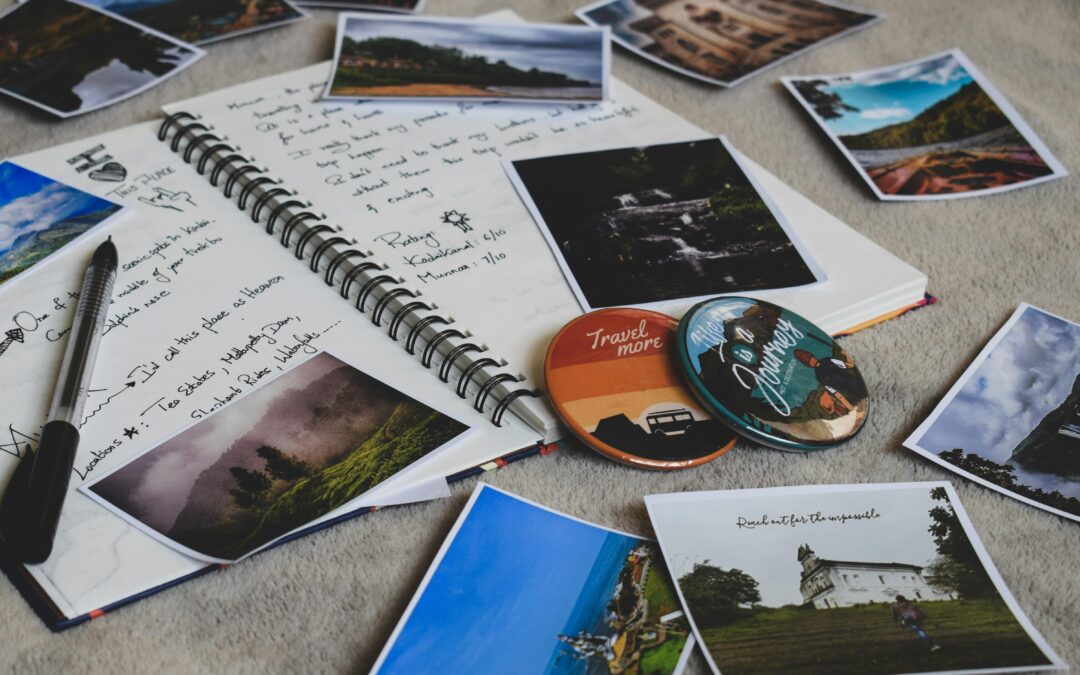
Travel Journal: Document your adventures and experiences while traveling, capturing memories, reflections, and snapshots of the places you visit.
Freeform journaling: This involves writing whatever comes to mind without any specific structure or prompts. It’s a way to let thoughts flow freely onto the page.
Goal-oriented journaling: Here, individuals set specific goals and track their progress towards achieving them. They may also brainstorm ideas and action plans to help them reach their goals.
Creative journaling: A creative journal is a space for artistic expression, incorporating doodles, sketches, collages, and other visual elements alongside your written reflections. It can also include using other creative methods alongside writing to express oneself and explore thoughts and feelings.
How to Start Journaling
Getting started with journaling is easy and accessible to anyone, regardless of age or experience. Here are some tips to help you begin:
Choose Your Tools: Select a journal or notebook that speaks to you, whether it’s a classic leather-bound journal, a colorful notebook, or a digital journaling app.
Set Aside Time: Carve out dedicated time each day or week to sit down and write in your journal, whether it’s first thing in the morning, before bed, or during your lunch break.
Start Small: Begin with a simple prompt or question to get the words flowing, such as “What am I feeling grateful for today?” or “What’s on my mind right now?”
Write Freely: Don’t worry about spelling, grammar, or punctuation—this is your space to express yourself authentically and without judgment.
Experiment and Explore: Get creative with your journaling practice by experimenting with different prompts, techniques, and formats to find what resonates with you.
Journaling can be a highly personal practice, and there are no strict rules or guidelines to follow. The most important thing is to find a journaling style that resonates with you and to make it a regular part of your routine. Whether it’s a daily habit or something you do whenever you feel the need, journaling can be a valuable tool for self-discovery and personal development.
Self-expression is the act of communicating one’s thoughts, feelings, and experiences in a way that is authentic and true to oneself. It encompasses a wide range of creative outlets, including art, music, writing, dance, poetry, and more. Through self-expression, we give voice to our innermost selves, sharing our unique perspectives and emotions with the world.
Why is Self-Expression Essential?
Self-expression is essential for several reasons:
Authenticity: By expressing ourselves authentically, we honor our true selves and cultivate a deeper sense of authenticity in our lives.
Emotional Release: Self-expression serves as a powerful outlet for releasing pent-up emotions, relieving stress, and processing difficult experiences.
Connection: Sharing our stories, art, and experiences with others fosters connection, empathy, and understanding, strengthening our relationships and building a sense of community.
Self-Discovery: Through creative expression, we explore our inner worlds, uncovering hidden truths and discovering new facets of ourselves along the way.
How Does Self-Expression Contribute to Self-Care?
Self-expression is an integral component of self-care practices that nourish our minds, bodies, and spirits. Here’s how:
Emotional Well-Being: Engaging in creative activities allows us to express and validate our emotions, promoting emotional well-being and resilience.
Stress Relief: Immersing ourselves in creative pursuits provides a welcome distraction from life’s stressors, helping to reduce anxiety and promote relaxation.
Self-Exploration: Through self-expression, we gain insight into our thoughts, feelings, and desires, deepening our self-awareness and promoting personal growth.
Joy and Fulfillment: Creating art, music, or writing that resonates with our souls brings us joy and a sense of fulfillment, nurturing our spirits and enhancing our overall quality of life.
Incorporating Self-Expression Into Your Self-Care Routine
Here are some simple ways to incorporate self-expression into your daily self-care routine:
Set aside time each day for creative activities that bring you joy, whether it’s painting, journaling, dancing, or playing music.
Experiment with different forms of self-expression to discover what resonates with you most deeply.
Join a creative community or workshop to connect with others who share your interests and passions.
Practice self-compassion and embrace imperfection in your creative endeavors, focusing on the process rather than the outcome.
Remember, self-expression is a deeply personal and individual journey. Embrace your unique voice, honor your inner truths, and allow your creativity to guide you on the path to self-discovery and well-being.
Elisha Valentine is a Wellness Coach, Creative Strategist, and Harmony Dynamics, LLC Founder. She loves to help support you in your journey of optimizing your well-being and enhancing your overall quality of life. ❤️