Journaling is the practice of writing down thoughts, feelings, experiences, and reflections on a regular basis. It can take many forms, from freeform writing to structured prompts, and it can be done using pen and paper or digitally.
At its core, journaling is a tool for self-expression, self-reflection, and personal growth. It allows individuals to explore their inner thoughts and emotions, make sense of their experiences, and gain insight into their lives. Journaling can also help improve mental health by providing an outlet for stress, anxiety, and other emotions.
Why Journaling Matters
Journaling offers a myriad of benefits for both the mind and spirit, including:
Self-Reflection: Journaling provides a safe and private space to explore your thoughts, feelings, and experiences, helping you gain insight into your inner world and make sense of your emotions.
Clarity and Focus: Writing down your thoughts can help clarify your thoughts, identify patterns, and gain perspective on challenging situations, allowing you to make more informed decisions and navigate life with greater ease.
Emotional Release: Journaling serves as a powerful outlet for expressing and processing emotions, relieving stress, and releasing pent-up feelings in a healthy and constructive way.
Goal Setting and Accountability: Keeping a journal can help you set goals, track your progress, and hold yourself accountable for taking action towards your aspirations, fostering motivation and personal growth.
Creative Expression: Journaling is a creative act that allows you to experiment with different writing styles, prompts, and formats, sparking inspiration and expanding your creative horizons.
Types of Journals to Explore
There are countless types of journals you can explore, each with its own unique focus and purpose. Here are a few popular options to consider:
Daily Reflection: A journal for daily reflection allows you to capture your thoughts, experiences, and gratitude each day, providing a snapshot of your life over time.
Gratitude Journal: A gratitude journal is a place to cultivate a mindset of appreciation by regularly writing down the things you’re thankful for, big and small.
Dream Journal: Keep a dream journal by your bedside to record your dreams upon waking, exploring their symbolism and uncovering insights into your subconscious mind.
Travel Journal: Document your adventures and experiences while traveling, capturing memories, reflections, and snapshots of the places you visit.
Freeform journaling: This involves writing whatever comes to mind without any specific structure or prompts. It’s a way to let thoughts flow freely onto the page.
Goal-oriented journaling: Here, individuals set specific goals and track their progress towards achieving them. They may also brainstorm ideas and action plans to help them reach their goals.
Creative journaling: A creative journal is a space for artistic expression, incorporating doodles, sketches, collages, and other visual elements alongside your written reflections. It can also include using other creative methods alongside writing to express oneself and explore thoughts and feelings.
How to Start Journaling
Getting started with journaling is easy and accessible to anyone, regardless of age or experience. Here are some tips to help you begin:
Choose Your Tools: Select a journal or notebook that speaks to you, whether it’s a classic leather-bound journal, a colorful notebook, or a digital journaling app.
Set Aside Time: Carve out dedicated time each day or week to sit down and write in your journal, whether it’s first thing in the morning, before bed, or during your lunch break.
Start Small: Begin with a simple prompt or question to get the words flowing, such as “What am I feeling grateful for today?” or “What’s on my mind right now?”
Write Freely: Don’t worry about spelling, grammar, or punctuation—this is your space to express yourself authentically and without judgment.
Experiment and Explore: Get creative with your journaling practice by experimenting with different prompts, techniques, and formats to find what resonates with you.
Journaling can be a highly personal practice, and there are no strict rules or guidelines to follow. The most important thing is to find a journaling style that resonates with you and to make it a regular part of your routine. Whether it’s a daily habit or something you do whenever you feel the need, journaling can be a valuable tool for self-discovery and personal development.
Knitting and crochet have deep roots that stretch back centuries, with evidence of these crafts dating back to ancient civilizations such as Egypt, China, and South America. While the exact origins of knitting and crochet are shrouded in history, it’s clear that these textile arts have played a significant role in human culture and society for millennia.
Knitting, characterized by its use of two or more needles to create loops of yarn, is believed to have originated in the Middle East during the early Islamic era, spreading to Europe and beyond via trade routes and cultural exchange. Crochet, on the other hand, likely emerged in Europe during the 16th century, evolving from traditional lace-making techniques and needlework.
Why Knitting and Crochet Endure
Despite the advent of modern technology and mass production, knitting and crochet continue to thrive as beloved pastimes and creative outlets for millions of people worldwide. Here are a few reasons why these crafts remain as popular as ever:
Creativity and Self-Expression: Knitting and crochet provide a canvas for creative expression, allowing individuals to experiment with colors, textures, and patterns to bring their unique visions to life.
Stress Relief and Mindfulness: Engaging in knitting or crochet can have a meditative effect, promoting relaxation, mindfulness, and stress relief as crafters focus on the rhythmic movements of their needles or hooks.
Sense of Accomplishment: Completing a knitting or crochet project brings a sense of satisfaction and accomplishment, boosting confidence and self-esteem as crafters see their creations come to fruition.
Community and Connection: Knitting and crochet foster a sense of community and connection among crafters, whether through local knitting groups, online forums, or social media communities, where individuals can share tips, patterns, and inspiration.
Practicality and Utility: Handmade knitted and crocheted items are not only beautiful and unique but also practical and functional, serving as cozy garments, home decor, gifts, and keepsakes.
Materials and Tools
In knitting and crochet, a wide variety of yarns and other materials are used, each offering unique characteristics in terms of texture, weight, color, and fiber content. Here are some common types of yarn and materials used in these crafts:
Wool: Wool is one of the most popular fibers for knitting and crochet. It is known for its warmth, elasticity, and durability. Wool comes from sheep, but there are also varieties such as merino wool, alpaca wool, and cashmere, each with its own characteristics.
Cotton: Cotton yarn is breathable, soft, and hypoallergenic, making it suitable for warm-weather garments and baby items. It lacks elasticity compared to wool but drapes nicely and holds its shape well.
Acrylic: Acrylic yarn is synthetic and widely available at a lower cost than natural fibers. It is easy to care for, machine washable and comes in a wide range of colors. Acrylic yarn can be softer than wool and is suitable for beginners.
Alpaca: Alpaca yarn is known for its softness, warmth, and luxurious feel. It is hypoallergenic and comes in a variety of natural colors. Alpaca yarn is lightweight and excellent for making garments and accessories.
Silk: Silk yarn is lustrous, smooth, and luxurious. It has a beautiful sheen and drapes elegantly, making it ideal for special occasion garments and accessories. Silk blends, such as silk/wool or silk/cotton, combine the best qualities of both fibers.
Bamboo: Bamboo yarn is made from bamboo fibers and is known for its silky texture, softness, and breathability. It has a slight sheen and is environmentally friendly, as bamboo is a renewable resource.
Linen: Linen yarn is made from the flax plant and is known for its strength, durability, and coolness. It becomes softer with each wash and is suitable for warm-weather garments and home decor items.
Mohair: Mohair yarn comes from the Angora goat and is known for its fuzzy texture, warmth, and lightweight feel. It is often used for making sweaters, shawls, and accessories.
Nylon: Nylon yarn is durable, strong, and stretchy. It is often used as a reinforcement or blending fiber in sock yarns to add strength and elasticity.
Blends: Many yarns are blends of different fibers, combining the desirable characteristics of each. Common blends include wool/acrylic, cotton/acrylic, and wool/silk.
Note: While Acrylic and Nylon may be more economical, they are the least environmentally friendly.
In addition to yarn, other materials commonly used in knitting and crochet include:
Crochet Hooks: Available in various sizes and materials such as aluminum, plastic, wood, and ergonomic designs.
Knitting Needles: Come in straight, circular, and double-pointed varieties, made from materials like wood, bamboo, metal, and plastic.
Notions: Including stitch markers, tapestry needles, row counters, scissors, and blocking tools.
Embroidery Floss: Used for adding embellishments, embroidery, or surface crochet to projects.
Buttons, Beads, and Charms: Embellishments added to finished items for decoration or functionality.
These materials offer a diverse range of options for knitters and crocheters to explore and create beautiful and functional projects.
Getting Started with Knitting and Crochet
If you’re eager to dive into the world of knitting and crochet, here are some tips to help you get started:
Gather Supplies: Invest in a pair of knitting needles or a crochet hook, along with some yarn in a color and weight of your choice. Consider starting with a basic, medium-weight yarn in a light color for ease of handling.
Learn the Basics: Familiarize yourself with basic knitting and crochet stitches, such as the knit stitch, purl stitch, single crochet, and double crochet. There are countless online tutorials, books, and instructional videos available to help you master the fundamentals.
Start Small: Begin with simple projects, such as scarves, dishcloths, or coasters, to practice your skills and build confidence. As you gain experience, you can gradually tackle more complex patterns and techniques.
Join a Community: Seek out local knitting or crochet groups in your area or connect with fellow crafters online through social media platforms, forums, or virtual meetups. Sharing your progress, asking for advice, and receiving encouragement from others can be incredibly motivating and inspiring.
Practice Patience: Remember that knitting and crochet are skills that require patience, practice, and perseverance to master. Be patient with yourself as you learn and don’t be discouraged by mistakes—every stitch is an opportunity to learn and grow as a crafter.
Whether you’re drawn to the rhythmic clicking of knitting needles or the soothing motion of a crochet hook, there’s something magical about the art of creating with yarn. So pick up your needles or hook, choose a skein of yarn that speaks to you, and let your creativity soar as you embark on your own knitting or crochet adventure.
A captivated audience is interested and engaged. They’re happy to be there, and maybe even excited about the experience. The following tips can help you become a captivating speaker who mesmerizes your audience and keeps them coming for more.
Ask Questions
One great way to generate engagement is to ask questions. People love sharing their opinions. Ask them what they think, and when they respond, praise them for their input. Saying something like, “That’s a great question,” builds rapport and keeps the audience involved. Asking questions also helps direct their interest to specific topics.
Compliment Your Audience
Compliments go a long way in making your audience feel appreciated. Simple phrases like:
– “Thank you for bringing that up, Susan.”
– “That’s a great question, Bill. I’m glad you asked it.”
– “You must be a mind reader. That’s exactly what I was going to address next.”
Make your audience feel good about the experience you offer. Whether you’re complimenting their insights or their attire when meeting them beforehand, positive reinforcement keeps people interested in what you have to say.
Announce an Unadvertised Bonus for Sticking Around
At the beginning of your speech, express genuine gratitude for everyone attending and mention a special, unadvertised bonus for those who stay until the end. Make this bonus relevant to your topic. This surprise element keeps your audience curious and engaged throughout your presentation.
Paint a Picture with Powerful Emotions
The best speakers create an emotional connection with their audience. Instead of just listing facts, focus on how those facts translate into positive experiences. Use vivid, emotional language to paint a picture. Tell stories that evoke feelings and make your points more relatable. The more emotions you can stir, the more captivated your audience will be.
Use Body Language Effectively
Non-verbal communication is just as important as what you say. Use open, confident body language to establish credibility and connect with your audience. Make eye contact, use hand gestures to emphasize points, and move around the stage to engage different parts of the audience. This helps to keep people’s attention and makes your message more compelling.
Vary Your Vocal Tone
Monotone speaking can quickly lose an audience’s interest. Vary your vocal tone to emphasize key points, show excitement, and convey emotions. Changing your pitch, speed, and volume can make your speech more dynamic and keep listeners engaged.
Practice Active Listening
During Q&A sessions or interactive parts of your presentation, practice active listening. Show that you are fully engaged with what your audience members are saying. Nod, make affirming sounds, and respond thoughtfully. This demonstrates respect and appreciation for their input, fostering a stronger connection.
Include Visual Aids
Visual aids like slides, videos, or props can enhance your presentation and keep the audience engaged. Ensure they are relevant and add value to what you are saying. Visuals can help illustrate points, break up the monotony of speaking, and cater to visual learners in your audience.
Encourage Interaction
Encourage your audience to participate through small group discussions, polls, or interactive activities. Interaction keeps people engaged and feeling like they are part of the presentation, rather than passive listeners.
Tell Personal Stories
Sharing personal stories can make your presentation more relatable and memorable. People connect with stories on an emotional level, and a well-told personal anecdote can powerfully illustrate your points.
Captivating speakers aren’t born; they’re made. By practicing these tips, you can become an enthralling speaker who holds your audience’s attention from start to finish.
Effective communication is at the heart of every successful interaction, whether in personal relationships, professional settings, or everyday conversations. Yet, all too often, we find ourselves holding back, speaking in half-truths, or sugarcoating our words to avoid conflict or discomfort. However, the true power of communication lies in authenticity—saying what we mean and meaning what we say. In this blog post, we’ll explore the importance of authentic communication and how to include this invaluable skill in your interactions.
Building Trust and Rapport: Authentic communication fosters trust and rapport in relationships. When we speak honestly and transparently, others are more likely to perceive us as genuine and trustworthy. This creates a foundation of mutual respect and understanding, strengthening the bonds between individuals and facilitating deeper connections.
Fostering Understanding and Clarity: Authentic communication promotes clarity and understanding by conveying our thoughts, feelings, and intentions clearly and directly. When we express ourselves authentically, there is less room for misinterpretation or misunderstanding, leading to more effective communication and fewer conflicts or misunderstandings.
Honoring Your Values and Boundaries: Authentic communication allows us to honor our values and boundaries by speaking up for what we believe in and setting clear boundaries in our interactions. When we assert ourselves authentically, we demonstrate self-respect and integrity, setting the tone for how we expect to be treated by others.
Empowering Self-Expression: Authentic communication empowers us to express ourselves authentically and assert our needs, desires, and opinions without fear of judgment or rejection. When we speak our truth, we honor our unique perspectives and experiences, fostering a sense of empowerment and self-confidence.
Resolving Conflicts Constructively: Authentic communication is essential for resolving conflicts constructively and finding mutually satisfactory solutions. By expressing our concerns, listening empathetically to others’ perspectives, and seeking common ground, we can navigate conflicts with compassion and understanding, preserving relationships and promoting growth and reconciliation.
To foster authentic communication in your interactions, consider the following strategies
Practice Self-Awareness: Before communicating with others, take time to reflect on your thoughts, feelings, and intentions. Be honest with yourself about your motivations and values, and strive to align your words with your true beliefs and feelings.
Listen Actively: Develop the art of active listening by giving others your full attention and seeking to understand their perspectives without judgment or interruption. Validate their experiences and emotions, and respond empathetically to build rapport and trust.
Speak with Clarity and Confidence: When expressing yourself, speak with clarity, confidence, and conviction. Use assertive language to convey your message effectively, and avoid vague or ambiguous statements that can lead to confusion or misinterpretation.
Be Vulnerable: Embrace vulnerability as a strength by sharing your thoughts, feelings, and experiences authentically with others. Open up about your fears, insecurities, and struggles, and invite others to do the same, creating a space for honest and meaningful dialogue.
Practice Radical Honesty: Embrace radical honesty by speaking truthfully and transparently, even when it feels uncomfortable or challenging. Be willing to speak up for what you believe in, even if it means risking disagreement or conflict.
Authentic communication is essential for building trust, fostering understanding, honoring values and boundaries, empowering self-expression, and resolving conflicts constructively. By developing self-awareness, active listening, clarity and confidence, vulnerability, and radical honesty, you can develop the invaluable skill of authentic communication and create deeper connections, foster healthier relationships, and promote growth and collaboration in all areas of your life. So speak your truth, say it like you mean it, and watch as your authentic communication transforms your interactions and enriches your life.
It’s not uncommon for people to turn to fear as a source of motivation in pursuit of their goals and aspirations. We may set ambitious targets for ourselves, driven by the fear of failure or the desire to avoid negative consequences. While fear can propel us into action in the short term, relying on fear-based motivation has significant drawbacks that can hinder long-term success and well-being.
Understanding Fear-Based Motivation
Fear-based motivation operates on the principle of avoidance – we are driven to act by the desire to escape or mitigate potential threats, whether real or perceived. This fear may manifest as anxiety, stress, or pressure to perform, compelling us to take action out of fear of the consequences of inaction.
Common manifestations of fear-based motivation include
Fear of Failure: The fear of failure can drive us to push ourselves harder, set ambitious goals, and strive for perfection in pursuit of success. However, this fear can also paralyze us with self-doubt, leading to procrastination, perfectionism, and avoidance of challenges.
Fear of Rejection or Judgment: The fear of rejection or criticism from others can be a powerful motivator, driving us to seek validation and approval through our actions. However, this fear can also limit our authenticity and creativity, as we may avoid taking risks or expressing ourselves authentically for fear of disapproval.
Fear of Missing Out (FOMO): In today’s hyperconnected world, the fear of missing out on opportunities or experiences can drive us to constantly seek validation and validation from others, leading to overcommitment, burnout, and a lack of fulfillment.
The Pitfalls of Fear-Based Motivation
While fear-based motivation may provide a temporary boost in productivity or performance, it is not sustainable in the long run and can have detrimental effects on our well-being and success:
Burnout and Exhaustion: Constantly operating from a place of fear can lead to chronic stress, burnout, and exhaustion. The pressure to constantly perform at a high level and meet unrealistic expectations can take a toll on our physical, mental, and emotional health.
Lack of Joy and Fulfillment: When we are driven by fear, we may lose sight of the intrinsic joy and satisfaction of pursuing our passions and interests. Instead of enjoying the process, we focus solely on the outcome, creating a sense of emptiness and dissatisfaction.
Diminished Creativity and Innovation: Fear-based motivation can stifle creativity and innovation. We may be more focused on avoiding mistakes or negative outcomes than exploring new ideas and taking risks. This can inhibit our ability to adapt to change and seize opportunities for growth and innovation.
Moving Beyond Fear-Based Motivation
To break free from the cycle of fear-based motivation and cultivate a more sustainable and fulfilling approach to achieving our goals, consider the following strategies:
Cultivate Self-Compassion: Practice self-compassion and kindness toward yourself, recognizing that failure and setbacks are natural parts of the learning process. Treat yourself with the same kindness and understanding you would offer to a friend facing similar challenges.
Set Meaningful Goals: Instead of focusing solely on outcomes or external validation, set goals that are aligned with your values, passions, and interests. Pursue activities and projects that bring you joy and fulfillment, regardless of external rewards or recognition.
Embrace Growth Mindset: Adopt a growth mindset, believing that your abilities and intelligence can be developed through effort and perseverance. Embrace challenges as opportunities for growth and learning rather than threats to be avoided.
Practice Mindfulness: Cultivate mindfulness and present-moment awareness to help you stay grounded in the here and now. Notice when fear-based thoughts arise and gently redirect your attention to the present moment, where you can take positive action toward your goals.
Seek Support: If you find yourself struggling with fear-based motivation, don’t be afraid to seek support from friends, family, or a professional coach or therapist. Talking about your fears and challenges can help you gain perspective, identify solutions, and build resilience.
In conclusion, while fear-based motivation may provide a temporary boost in productivity, it is not sustainable in the long run and can have detrimental effects on our well-being and success. By cultivating self-compassion, setting meaningful goals, embracing a growth mindset, practicing mindfulness, and seeking support when needed, we can break free from the grip of fear and pursue our goals with courage, authenticity, and fulfillment. Remember, true success is not measured by external achievements alone but by the joy, meaning, and impact we create along the way.
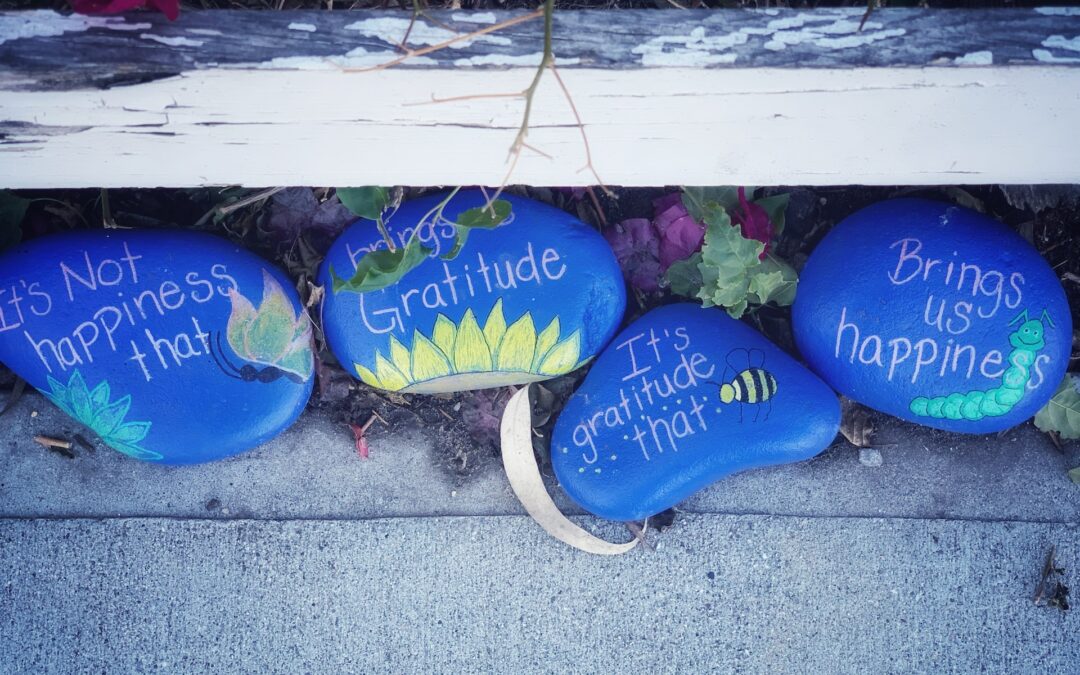
In the pursuit of our long-term goals, it’s easy to become consumed by the vision of our desired future. We invest our time, energy, and focus into chasing after success, believing that our happiness hinges upon reaching that ultimate destination. However, in our relentless pursuit of the future, we often overlook the abundance and fulfillment that exists in our daily lives.
Gratitude Makes You Happier
Neurologists have learned that feelings of gratitude actually change the way your brain works. When you are consciously aware of all the wonderful things in your life, you are happier and more content. When you are happy and feeling good about your life, it’s easier to believe that more good things await you down the road.
Gratitude Lowers Stress
A life filled with the struggle always to be better will lead to a life of stress. Yes, you want to reach your goals. You want to unlock all the potential that’s inside you. But finding a way to balance this desire with gratitude for what you’ve already accomplished and what you have in your life today is also important. When constantly pushing yourself forward, believing you aren’t good enough today is easy. Focusing on what you must be grateful for today lowers your stress level and helps you enjoy the journey to your ultimate goal.
Gratitude Makes You More Optimistic
Believing the grass is always greener on the other side is a sure way to ensure your dissatisfaction with life. It makes you feel like you may never get the life you want. This pessimism just makes everything in life harder. You may even just give up on your dreams because you don’t believe you can attain them. Keeping a grateful mindset offers a way to enjoy life now and look forward to the future once your goals are realized.
While long-term goals provide direction and purpose, they should not overshadow the importance of living in the present moment and expressing gratitude for what we already have achieved. Here’s why striking a balance between long-term aspirations and daily gratitude is essential for both happiness and success:
Finding Joy in the Journey: While achieving long-term goals can bring a sense of accomplishment, true happiness lies in the journey itself. By embracing the process and finding joy in the small victories along the way, we can experience fulfillment and satisfaction in the present moment, rather than waiting for some distant future to bring us happiness.
Building Resilience: Acknowledging and appreciating our past achievements fosters resilience and confidence in our ability to overcome challenges and achieve future goals. Reflecting on how far we’ve come reminds us of our strengths and capabilities, empowering us to face obstacles with optimism and determination.
Fostering Positive Mindset: Practicing gratitude shifts our focus from what we lack to what we already have, fostering a positive mindset and outlook on life. When we approach our goals from a place of abundance rather than scarcity, we attract more opportunities for growth and success into our lives.
Enhancing Well-Being: Research has shown that expressing gratitude has numerous benefits for our physical, mental, and emotional well-being. From reducing stress and anxiety to improving sleep and overall happiness, expressing gratitude for the blessings in our lives promotes holistic health and wellness.
So how can we strike a balance between our long-term goals and daily gratitude? Here are some practical strategies to integrate gratitude into your daily life:
Daily Reflection: Take a few moments each day to reflect on what you’re grateful for, whether it’s your health, relationships, accomplishments, or simple pleasures like a beautiful sunset or a delicious meal.
Express Appreciation: Don’t hesitate to express gratitude to others for their support, kindness, or contributions to your life. A heartfelt thank you can strengthen relationships and cultivate a culture of positivity and appreciation.
Celebrate Small Wins: Acknowledge and celebrate the small victories and milestones you achieve along the way toward your long-term goals. Each step forward, no matter how small, is worthy of recognition and celebration.
Practice Mindfulness: Incorporate mindfulness into your daily routine to stay grounded in the present moment and develop awareness of the beauty and abundance surrounding you.
Obtaining a grateful spirit doesn’t take much time and effort, but it makes a huge difference in your life. Start by keeping a small notebook with you or using an app on your phone to note the little things that happen throughout your day for which you are grateful. Some people prefer to keep a gratitude journal by their bed and add a short list of things that they are grateful for that day. Give it a try if you feel you’ve been too focused on a goal, making you unappreciative of what you already have.
While long-term goals provide direction and purpose, true happiness is found in embracing the journey and expressing gratitude for the blessings in our lives. By striking a balance between our aspirations for the future and appreciation for the present moment, we can experience greater fulfillment, resilience, and well-being on our path to success. So, as you pursue your long-term goals, remember to pause, reflect, and express gratitude for the abundance and joy that already exists in your life.
Elisha Valentine is a Wellness Coach, Creative Strategist, and Harmony Dynamics, LLC Founder. She loves to help support you in your journey of optimizing your well-being and enhancing your overall quality of life. ❤️