Coaching, Self-Care, Self-Development, Wellness
Every day, we face countless decisions—small or large—that shape the course of our lives. We navigate through responsibilities, challenges, and choices as part of our daily routines. But there are times when life’s difficulties wear us down, causing our self-belief to falter. When that happens, it can feel like everything becomes just a little more challenging, and doubt creeps in, making it harder to move forward.
The truth is, self-belief plays a powerful role in how we approach life. When we believe in ourselves, the possibilities are endless. So, why does our self-belief falter, and how can we regain that unwavering confidence? Let’s explore.
Why Does Our Self-Belief Falter?
- Life’s Setbacks: We all encounter challenges, failures, or moments where things don’t go as planned. These setbacks can shake our confidence and make us question our abilities.
- Comparison to Others: In a world where we’re constantly exposed to the success stories of others, it’s easy to feel like we’re not measuring up. Comparing ourselves to others can quickly erode our self-belief.
- Fear of Failure: The fear of not succeeding can stop us in our tracks. When we focus too much on the possibility of failure, we begin to doubt our ability to take on new challenges or reach our goals.
- Negative Self-Talk: We are often our harshest critics. When we engage in negative self-talk, we feed self-doubt, undermining our confidence in making decisions and taking action.
The Benefits of Unwavering Self-Belief
Now, imagine if we could push past those doubts and truly believe in ourselves. Amazing things happen when you cultivate unwavering self-confidence:
1. You Show Yourself Respect
Doubting yourself is like telling yourself you’re not good enough, not smart enough, or not capable enough. But think about it: you wouldn’t treat a close friend that way. So why treat yourself that way? Believing in yourself means showing yourself the same respect and compassion that you’d offer others. It’s about recognizing your worth and giving yourself credit for the knowledge and abilities you already possess.
2. You Tap Into Your Inner Wisdom
We often know much more than we give ourselves credit for. Life experiences build wisdom, even if we aren’t always conscious of it. When you trust yourself, you discover how capable and resourceful you truly are. Trusting your instincts helps you realize just how much knowledge and insight you carry within.
3. You Push Beyond Your Comfort Zone
Some decisions are easy because they’re based on past experiences or well-trodden paths. But true growth comes from taking risks and challenging yourself. When you have confidence in yourself, you take those leaps of faith, trusting that you’ll land on your feet. This willingness to push past comfort zones allows you to unlock new opportunities and learn more about what you’re truly capable of achieving.
4. You Open the Door to New Opportunities
Self-doubt holds us back from trying new things. If you’re constantly questioning your ability to succeed, it’s easy to pass up opportunities out of fear of failure. But when you believe in yourself, you’re more likely to say “yes” to opportunities, knowing you have what it takes to make the most of them. Confidence fuels action, and action leads to growth and success.
5. You Develop Resilience and Tenacity
When we lack confidence, difficult decisions can feel overwhelming, and we may avoid them altogether. But when you believe in yourself, you become more resilient. You learn to push through tough moments, knowing that perseverance is key to progress. This tenacity is what builds true personal growth and strengthens your ability to handle life’s ups and downs.
6. You Stay Motivated and Optimistic
Self-doubt can be draining, leaving you feeling unmotivated and stuck. It’s easy to slip into a mindset of “why bother?” when you don’t believe in your abilities. On the other hand, unwavering self-belief breeds optimism. You feel energized, motivated, and excited about the future because you know you have the power to create the outcomes you desire. When you believe in yourself, you become an active participant in shaping your own success.
How to Strengthen Your Self-Belief
Rebuilding and strengthening your self-belief is a journey, but it’s one that’s well worth the effort. Here are a few strategies to get started:
- Challenge Negative Self-Talk: When negative thoughts arise, question them. Replace self-criticism with positive affirmations and reminders of your strengths.
- Celebrate Small Wins: Take time to acknowledge your accomplishments, no matter how small. Each step forward builds momentum and reinforces your belief in your abilities.
- Set Realistic Goals: Break down big goals into smaller, manageable steps. Achieving these smaller goals will give you the confidence to tackle larger ones.
- Surround Yourself with Positivity: Whether it’s supportive friends, mentors, or uplifting content, surround yourself with people and messages that reinforce your worth and potential.
Believing in yourself is the foundation for success, growth, and fulfillment. When you cultivate unwavering self-confidence, you unlock the potential within you to face challenges, seize opportunities, and live a life that reflects your true abilities and passions. Trust yourself, because you are more capable than you know.

Events, Self-Care, Wellness
The holiday season is a time of celebration, joy, and togetherness. Yet, for many, it can also bring about feelings of stress, anxiety, and overwhelm. From busy schedules to the pressure of gift-giving, the holidays can sometimes feel more like a race than a time to relax and enjoy. The good news is that with the right mindset and a few simple strategies, you can survive the chaos and actually savor the magic of the season.
Why Do the Holidays Stress Us Out?
Before we dive into how to manage holiday stress, it’s important to understand what triggers it. Here are a few common sources of anxiety during this time of year:
- Time Constraints: The holidays often come with a long list of obligations—family gatherings, work events, holiday parties, and shopping. Trying to fit everything into your schedule can leave you feeling stretched thin and exhausted.
- Financial Pressure: Gift-giving, travel, and holiday events can take a toll on your wallet. The pressure to spend beyond your means can lead to financial stress and anxiety about how to manage the season without breaking the bank.
- Family Dynamics: The holidays bring families together, which can be both a blessing and a source of tension. Old conflicts or unresolved issues may resurface, making gatherings feel more stressful than joyful.
- Expectations vs. Reality: There’s often an idealized version of the holiday season that we carry in our minds—everything from perfect meals to perfectly behaved children. When reality doesn’t match up to these expectations, it can leave us feeling frustrated or disappointed.
- End-of-Year Deadlines: Many people find that the demands of work don’t ease up during the holidays. In fact, end-of-year deadlines and projects can add extra pressure at a time when you’re already trying to balance holiday commitments.
How to Manage Holiday Stress
With so many potential stressors, how can you keep your peace of mind intact? Here are some practical strategies for navigating the holiday season with grace and ease:
1. Prioritize What Matters Most
The holiday season often feels overwhelming because we try to do everything. Take a step back and ask yourself what’s truly important to you. Maybe it’s spending quality time with loved ones, taking a few days to relax, or volunteering for a cause you care about. By prioritizing what matters most, you can let go of the less important obligations and focus on what brings you joy.
2. Set Realistic Expectations
The picture-perfect holiday scenes we see on TV or social media can set us up for disappointment. Remember that no holiday gathering is perfect, and that’s okay! Instead of aiming for flawless decorations or the perfect meal, aim for creating meaningful memories. Adjust your expectations and be open to the idea that things may not go as planned—and that can make for some of the best stories later on!
3. Set a Budget—and Stick to It
Money is one of the biggest stressors during the holidays, but it doesn’t have to be. Set a realistic budget for gifts, travel, and activities, and commit to sticking to it. Remember, the most meaningful gifts aren’t always the most expensive ones. Handmade items, experiences, or heartfelt gestures can make a lasting impact without causing financial strain.
4. Practice Self-Care
During the hustle and bustle of the season, it’s easy to forget to take care of yourself. Make self-care a priority by scheduling time for activities that help you recharge. Whether it’s taking a walk, enjoying a hot bath, practicing meditation, or simply having a quiet moment to yourself, these small acts of self-care can make a huge difference in your ability to handle stress.
5. Learn to Say No
It’s easy to feel obligated to say “yes” to every event or invitation, but overcommitting is a surefire way to increase stress. Be selective about what you agree to, and don’t be afraid to say no if something doesn’t fit into your schedule or align with your priorities. People will understand, and setting boundaries will allow you to fully enjoy the events that truly matter to you.
6. Simplify Gift-Giving
Gift-giving is a wonderful tradition, but it can also become a source of pressure. Consider simplifying your approach this year. Try drawing names for a gift exchange instead of buying for everyone, or set spending limits to keep things manageable. You might even decide to focus on experiences rather than material gifts, like planning a special outing or donating to a charity in someone’s name.
7. Embrace Imperfection
One of the biggest stressors of the holiday season is the pressure to create a “perfect” experience. But imperfection is part of life, and it’s often what makes moments memorable. Embrace the imperfections—the burnt cookies, the last-minute wrapping, or the unexpected detour in your holiday plans. These are the things that make your holiday unique and personal.
8. Stay Present
When you feel overwhelmed, take a moment to slow down and focus on the present. Mindfulness can help you stay grounded and calm, even amid holiday chaos. Whether you’re sipping cocoa by the fire or enjoying a holiday meal with loved ones, take time to truly savor the moment without worrying about what’s next on your to-do list.
Finding Joy in the Holiday Season
At its heart, the holiday season is about connection, gratitude, and joy. By managing stress and keeping things in perspective, you can rediscover what makes this time of year truly special. Instead of getting caught up in the whirlwind, remember to slow down, breathe, and appreciate the little moments.
When you focus on what really matters—spending time with loved ones, creating memories, and sharing joy—you’ll find that the holiday season can be one of the most fulfilling times of the year. Even amid the hustle and bustle, there is plenty of magic to be found when you let go of the pressure and embrace the present.
So, this year, take a deep breath and remember: it doesn’t have to be perfect to be wonderful.

Coaching, Self-Development
We all want to be productive. You might wake up with enthusiasm, ready to tackle the day and achieve your goals. But as the day winds down, you may find yourself wondering where the time went, frustrated that little was accomplished.
If this sounds familiar, know that you’re not alone. Many people experience this, but the key is recognizing that self-sabotage often plays a role in derailing our productivity. By understanding the reasons behind self-sabotage and taking proactive steps, you can regain control and feel more fulfilled in your efforts.
Why Do We Self-Sabotage?
Self-sabotage can stem from a variety of causes, including fear of failure, perfectionism, or even a fear of success. Here are some common reasons:
- Fear of Failure: When we’re afraid of failing, we sometimes avoid taking action altogether. The fear paralyzes us, and we end up procrastinating or distracting ourselves instead of moving forward.
- Perfectionism: If you have high standards and feel like everything must be perfect before you take action, it can cause delays or avoidance of tasks altogether. You may fear that your efforts won’t meet your ideal standard, leading to inaction.
- Fear of Success: Success can be intimidating, especially if it brings added pressure or responsibility. Sometimes, we unconsciously avoid progress because we’re unsure how to handle the changes that success may bring.
- Negative Self-Talk: Doubting your own abilities and engaging in negative self-talk can lower your motivation and confidence, making you feel unworthy or incapable of achieving your goals.
How to Overcome Self-Sabotage
The good news is that self-sabotage can be overcome with some simple adjustments. Here are a few strategies to help you break the cycle and get back on track:
1. Shift Your Mindset with Music
When your mood is low, productivity tends to follow. A quick way to lift your spirits is through music. Put on a fast-paced, upbeat song that you love, and notice how your energy and focus increase. Music can be a powerful mood booster that helps you jump back into your work with renewed enthusiasm.
2. Move Your Body to Build Energy
Physical movement can be a great way to re-energize yourself. Whether it’s taking a brisk walk, dancing around your living room, or doing a few stretches, getting your body in motion can help clear mental fog and improve focus. A little physical activity boosts your energy and primes you for success.
3. Practice Mindfulness and Meditation
When your mind is racing or you’re feeling overwhelmed, taking a moment to slow down can help refocus your energy. Find a quiet space, close your eyes, and take deep breaths. Focus on the present moment and release the tension from your mind and body. Meditation can provide the calm you need to think clearly and get back to work.
4. Reassess Your Priorities
If you’re struggling to complete a task, it might be time to reassess its importance. Ask yourself why this goal matters to you. Are you still passionate about it? If not, consider adjusting your focus or realigning your goals with your current needs and values. Sometimes, a small shift in perspective can reignite your motivation.
5. Contribute to Others
Helping others can bring fresh inspiration and meaning to your work. Mentoring or assisting someone else not only supports them but also allows you to rediscover your own strengths and purpose. Teaching what you know or offering guidance can reignite your passion and remind you of the value you bring to the table.
6. Acknowledge Progress, Not Perfection
Perfectionism can be paralyzing, making it difficult to start or complete tasks. Instead of striving for perfection, focus on progress. Celebrate small wins and improvements, recognizing that growth is a process. When you let go of unrealistic expectations, you open the door to more productive and enjoyable work.
By understanding why you might be self-sabotaging and implementing these simple, actionable steps, you can move past negative patterns and step into a more productive, empowered version of yourself. The journey to overcoming self-sabotage is an ongoing one, but with a positive mindset and the right tools, you’ll find yourself accomplishing more than ever before.
At Home, Self-Care, Wellness
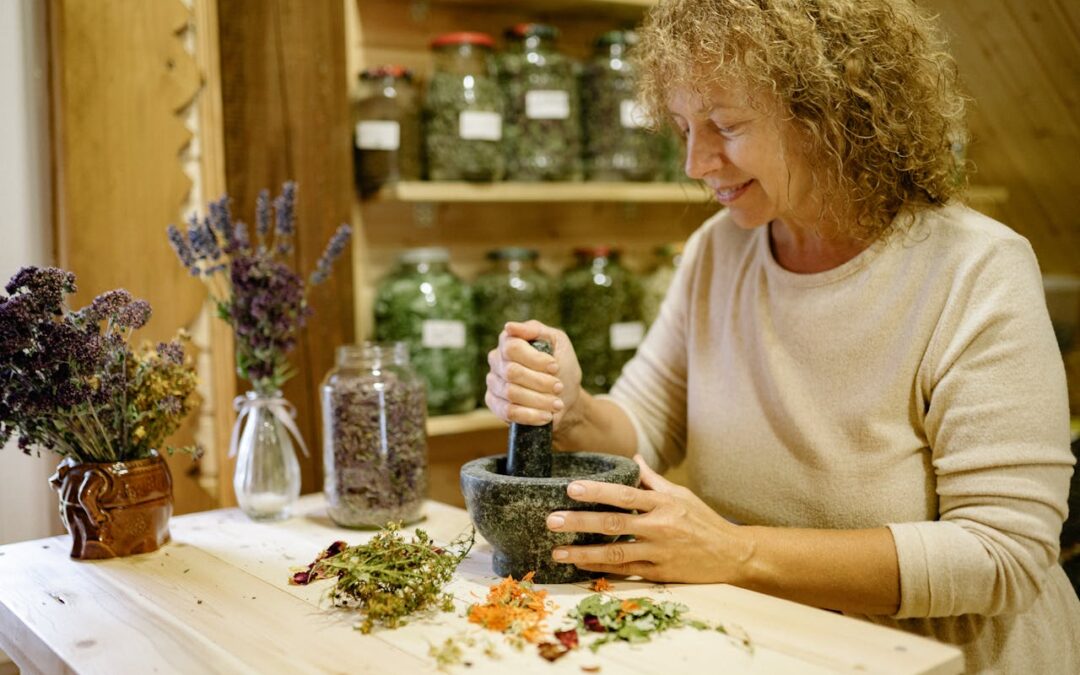
Essential Herbs and Home Remedies to Keep on Hand for Winter Wellness
As the winter months approach, it’s common to experience seasonal challenges such as cold and flu symptoms, dry skin, and low energy levels. While staying warm and eating well are key components to maintaining good health, many people also turn to natural remedies for extra support. Herbs and home remedies have been used for centuries to help combat the common ailments of the colder months, and keeping a few of these essentials on hand can help you stay healthy and comfortable throughout the season.
Here are some of my favorite beneficial herbs and home remedies to consider stocking up on this winter:
1. Elderberry
Elderberry is one of the most popular herbs for supporting immune health, especially during the winter. Rich in antioxidants and vitamin C, elderberries have long been used to help prevent and reduce the severity of colds and flu.
How to use:
You can make elderberry syrup at home by simmering dried elderberries with water, honey, and spices like cinnamon and cloves. Take a spoonful daily as a preventive measure or more frequently when feeling under the weather. Elderberry teas, gummies, and tinctures are also readily available for convenience.
2. Echinacea
Echinacea is another well-known herb for boosting the immune system and shortening the duration of colds. It works by stimulating the production of white blood cells, which help fight infections.
How to use:
Echinacea is most commonly taken as a tea, tincture, or in capsule form. To get the most benefit, start using echinacea at the first sign of illness. It pairs well with other immune-supporting herbs like elderberry or ginger for a powerful winter wellness blend.
3. Ginger
Ginger is a warming herb with powerful anti-inflammatory and antioxidant properties. It’s often used to soothe digestive issues, reduce nausea, and relieve cold symptoms like sore throat and congestion.
How to use:
Ginger tea is one of the easiest ways to enjoy its benefits. Simply steep fresh ginger slices in hot water with honey and lemon. You can also add powdered ginger to soups, stews, or smoothies for an extra immune boost. Additionally, ginger can be added to homemade chest rubs or baths to help ease muscle tension and respiratory discomfort.
4. Turmeric
Turmeric, known for its vibrant golden color, is another herb with anti-inflammatory and antioxidant properties. It’s particularly useful for supporting joint health, boosting immunity, and reducing inflammation in the body.
How to use:
Incorporate turmeric into your diet by adding it to curries, soups, or smoothies. You can also make a soothing drink known as “golden milk” by blending turmeric with warm plant-based milk, cinnamon, ginger, and a touch of honey. Turmeric supplements in capsule form are another option for those looking for a more concentrated dose.
5. Garlic
Garlic is not only a kitchen staple but also a powerful immune-boosting herb with antimicrobial and antiviral properties. Consuming garlic regularly during the winter months can help ward off infections and promote overall health.
How to use:
Add raw garlic to salads, and dressings, or mix it into soups and stews. For a natural remedy, you can crush a clove of raw garlic and mix it with honey for a potent immune boost. If raw garlic is too strong for your taste, garlic supplements are available as well.
6. Peppermint
Peppermint is a refreshing herb that is especially helpful for relieving respiratory congestion, soothing headaches, and calming digestive issues that are common during the winter months.
How to use:
Peppermint tea can be sipped to relieve nausea or indigestion and to clear sinus congestion. Peppermint essential oil can also be used in a diffuser to freshen the air and ease respiratory symptoms, or diluted with a carrier oil and applied to the temples for headache relief.
7. Chamomile
Chamomile is well-known for its calming effects and is often used to promote relaxation and restful sleep, which is essential for maintaining a strong immune system. It’s also helpful for soothing irritated skin and easing stomach discomfort.
How to use:
A cup of chamomile tea before bed can help you wind down and sleep more soundly. Chamomile-infused oils or creams can also be applied to dry or irritated skin during the winter months to soothe discomfort and promote healing.
8. Thyme
Thyme is an excellent herb for respiratory health, thanks to its antimicrobial and expectorant properties. It helps clear mucus from the airways and can be beneficial for relieving coughs, sore throats, and congestion.
How to use:
Thyme tea or a steam inhalation made by adding a handful of fresh thyme to a bowl of hot water can help ease respiratory discomfort. You can also add thyme to your meals for a flavorful and health-boosting addition to your winter cooking.
9. Honey (Unless you’re vegan)
Honey is a natural remedy with soothing and healing properties, especially for coughs and sore throats. It also has antimicrobial properties and can help boost the immune system.
How to use:
Add honey to herbal teas, warm lemon water, or use it to sweeten other winter beverages. For a sore throat, mix honey with a bit of fresh lemon juice and take small spoonfuls throughout the day. Honey can also be applied to minor cuts or burns as a natural healing ointment.
10. Apple Cider Vinegar
Apple cider vinegar is a popular home remedy known for its antibacterial and antiviral properties. It helps balance pH levels in the body and can aid digestion, which is particularly helpful during the heavier meals of the holiday season.
How to use:
A daily tonic of apple cider vinegar mixed with warm water, honey, and a pinch of cayenne pepper can help support digestion and boost immunity. You can also use it as a gargle for sore throats or mix it with water to create a natural cleaning solution for your home.
Preparing Your Winter Wellness Kit
To stay prepared for winter health challenges, consider creating a winter wellness kit with the following items:
- Dried herbs such as elderberry, echinacea, and chamomile
- Fresh or powdered ginger and turmeric
- Raw honey (unless you’re vegan) and apple cider vinegar
- Garlic (both fresh and in supplement form)
- Essential oils like peppermint and eucalyptus for steam inhalation or diffusing
- Herbal teas or tinctures to have on hand when you need quick relief
The winter months can be tough on our bodies, but with the right herbs and home remedies, you can stay prepared to tackle whatever comes your way. Whether you’re looking to boost your immune system, soothe a sore throat, or ease digestive discomfort, these natural remedies offer gentle and effective ways to support your health throughout the colder months. By keeping a few of these essentials on hand, you’ll be well-equipped to maintain your wellness all winter long.
Medical Disclaimer: The information provided in this article is for educational and informational purposes only and is not intended as medical advice. It is not a substitute for professional medical diagnosis, treatment, or advice. Always consult with a qualified healthcare provider before starting any new health regimen or using herbal remedies, especially if you have any underlying health conditions, are pregnant, nursing, or taking medication.

Creative, Entrepreneurs
We are all on this shared journey called life, and while we may sometimes seek independence, building a fulfilling life often depends on the relationships we form with others. By facilitating connections between people, you enrich their lives and strengthen your network, too.
The Timeless Value of Networking
Despite the vast array of channels available today, traditional face-to-face networking remains invaluable. It offers opportunities to meet new people and introduce others who may benefit from knowing each other. When you make meaningful introductions, people will likely remember you for your efforts.
In-person interactions provide a depth of connection that online communication can’t fully replicate. Eye contact, body language, and personal presence create lasting impressions, making you more memorable than a digital introduction ever could.
Helping Others Helps You
When you approach networking with the intent to help others, without expecting anything in return, you build genuine goodwill. By introducing people who can benefit from knowing each other, you leave a positive impression, and often those connections will come back to you in unexpected and rewarding ways.
While it’s natural to want your efforts to be recognized, the key to successful networking is to offer help with no strings attached. People are more inclined to assist those who have supported them, fostering a cycle of mutual benefit.
Understand the People in Your Network
To create meaningful connections, it’s essential to understand the individuals in your network. Knowing their needs, goals, and values allows you to match them with others who share common interests or can provide complementary skills. Keeping open lines of communication ensures that you stay updated as their needs evolve.
Identifying Common Ground
Successful networking is about finding the right fit. You can facilitate truly beneficial connections by paying attention to people’s traits. Whether it’s shared business goals or complementary expertise, knowing who will mesh well with whom increases the likelihood of a successful partnership.
One way to do this online is to look for the most authoritative and influential resources on social media. LinkedIn is a great way to check this out, but it can be done with X/Twitter and Facebook as well. When connecting with these people, respect their time and be willing to give much more than you receive. Offer to help them with their next project or give them access to a tool you find helpful in making connections, etc. The more you help them, the more they will come to know who you are.
Leverage Influential Connectors
A powerful way to grow your network is by connecting with people who are already skilled at making connections. These influencers often have established networks that can expand your reach quickly. By offering them support, such as help with organizing events or sharing useful tools, you increase the chances that they will think of you when new opportunities arise.
Nurture Your Connections
Maintaining relationships over time is key to successful networking. If you let too much time pass without communication, you may need to reestablish those connections. Stay on people’s radar through periodic check-ins, whether through direct calls, messages, or emails. Consistent, thoughtful engagement ensures you remain a trusted contact within their network.
Managing Conflict When Connections Don’t Work Out
Not every connection will work perfectly. If conflicts arise, being a mediator and helping to resolve issues can further solidify your role as a trusted connector. While some relationships may not work out, handling the situation carefully ensures that both parties continue to value their relationship with you.
Host Events to Strengthen Connections
Hosting social events is one of the best ways to foster in-person connections. By organizing gatherings that are enjoyable and valuable, you create opportunities for people to meet and build relationships. As the event organizer, you position yourself at the center of these interactions, reinforcing your role as a connector.
Over time, these events will help you build a strong reputation. Even if not every event is a resounding success, persistence will pay off, and your network will grow as people recognize your ability to bring others together.
Stay Organized as Your Network Grows
As your network expands, staying organized becomes essential. Setting reminders to regularly reach out or celebrate important milestones, like birthdays or achievements, helps you maintain strong relationships. Keeping track of who’s in your network and when you last connected ensures that no one slips through the cracks.
Empower Others to Build Connections
As your networking skills grow, sharing your knowledge with others can help expand your network even further. Teaching others to make meaningful connections strengthens your influence and creates a ripple effect, as they, in turn, introduce you to new contacts.
Even if some of the connections you foster go on to develop their networks, don’t worry! Networking is a continuous process, and in the end, it all comes full circle, enhancing the web of relationships you’ve worked hard to build.